  1. Home
  2. Phones
  3. Mobile
  4. News

Unlimited data will likely die a slow death at T-Mobile, but that’s not a bad thing

Add as a preferred source on Google

T-Mobile’s Un-carrier programs have been known for giving customers deal after deal, but it looks like the carrier is positioning itself to take away something very appealing: unlimited data. However, it’s not all doom and gloom and if anyone can pull this off without hurting its customers, T-Mobile can.

CFO Braxton Carter hinted at this bad news during a Deutsche Bank investor conference when he said the carrier continues to have a “strategy of pivoting away from unlimited data.” He also noted the past price increases for the unlimited plan, with the most recent one being a $15 increase last November.

Recommended Videos

However, the carrier kicked off a new promotion earlier this year in which a family of four can get four lines of unlimited data for only $150 per month. Carter reiterated that this is a limited-time promotion in an effort to drive as much growth as possible during the first quarter of the year.

Although Carter didn’t specifically say the Un-carrier would completely eliminate the unlimited plan, it obviously won’t be offered on the cheap. One of the reasons why T-Mobile can afford to do this is because of Binge On and Music Unlimited. Both services allow customers to stream music and videos from highly popular apps without any of it counting towards data caps. These apps include Spotify, Google Play Music, and Pandora on the music side, and Netflix, Hulu, and recently added YouTube on the video side.

The bottom line here is that with BingeOn and Music Unlimited, the majority of T-Mobile customers really don’t need unlimited data and might be overpaying for it. For example, T-Mobile is offering four lines of 10GB (40GB total) each for only $120. Not only is that a savings of $30 from the $150 unlimited promotion, it should be more than enough data to cover even the most data-hungry customers, especially when the majority of music and video streams won’t count against it.

Currently, Sprint and T-Mobile are the only carriers offering unlimited data to all customers. AT&T does offer unlimited data, but only to those that subscribe to DirecTV as well. Verizon offers no unlimited data plans.

If unlimited is still important to you and you’re fond of T-Mobile, you might want to take advantage of the current promotion now before it’s too late.

Robert Nazarian
Robert Nazarian became a technology enthusiast when his parents bought him a Radio Shack TRS-80 Color. Now his biggest…
Apple starts testing cheaper Chinese RAM inside iPhones, but your pocket won’t feel the ease
Fourth-largest DRAM producer in the world, on the Pentagon's watchlist, and now quietly inside Apple's test labs.
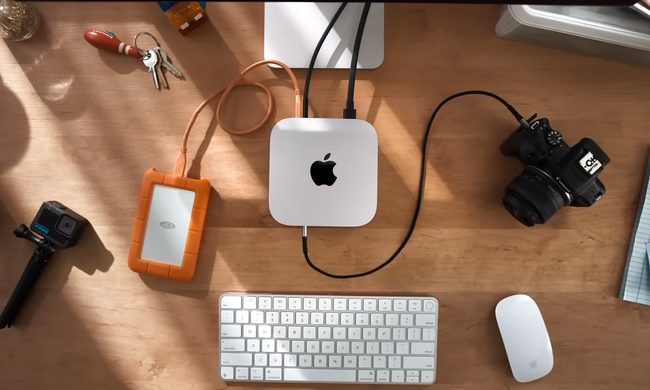
The M4 Mac mini on a desk.

Apple has quietly been testing a new memory supplier for some of its devices sold in China, and the name behind those chips is one that Washington has been keeping a close eye on.

It’s the one that I talked about a few days ago in another story, when rumors about Apple considering a Chinese memory supplier started surfacing after the company announced an ugly price hike for most of its devices (except iPhone and Apple Watch). 

Read more
Android 17’s new video standard fixes one of HDR’s biggest problems
Your HDR videos are about to look right, no matter what screen you use.
Electronics, Mobile Phone, Phone

Android 17 is packed with new features, but one small addition might end up mattering more than the flashy ones. It's called Eclipsa Video, and its whole purpose boils down to this: your HDR videos should finally look the way they're supposed to, regardless of which screen you're staring at.

Why does HDR look different on every screen?

Read more
Your free mobile VPN is a privacy disaster. Go figure
Android's free VPNs are somehow worse than you expected
VPN

The free VPN app you downloaded for your Android phone might be doing more harm than good. A recent large-scale audit of free Android VPN apps has shared some worrisome findings that justify some healthy suspicion. Researchers found these apps leaking traffic, sending identifying information to third parties, and basically the opposite of what a VPN is supposed to do.

The study comes from researchers at the University of Michigan, the University of New Mexico and IIT Delhi. Their findings were presented at the Network and Distributed System Security Symposium 2026 alongside MVPNalyzer, a framework designed to audit mobile VPN apps automatically and at scale.

Read more