1. Home
  2. Cars
  3. News

Why you can’t order a Toyota Prius with a roof-mounted solar panel

Add as a preferred source on Google

In Japan, the plug-in hybrid version of the new Toyota Prius will be available with a large solar panel built into the roof when it goes on sale in the fall. Buyers in Europe will also be able to order the panel, but don’t look for it on the list of options if you live in the United States.

That’s because the solar panel is installed on reinforced glass sheeting that shatters in the event of a rollover. That’s acceptable in Europe and in Japan, but the setup doesn’t comply with safety regulations in the U.S. Toyota still hasn’t found a way around the issue.

Recommended Videos

Where there’s a will, however, there should be a way, and the Japanese firm is committed to offering its greenest model with a built-in solar panel in the not-too-distant future.

Toyota Prius plug-in solar panel
Image used with permission by copyright holder

“We would like to introduce this, at least in the lifetime of the current model. It should be possible to do a lot of charging this way in places like California or Arizona,” said Koji Toyoshima, the chief engineer of the Prius and the Prius plug-in hybrid, in a recent interview with Automotive News.

The solar panel stretches nearly the entire length of the roof. When the Prius is parked, the electricity generated by the panel is sent directly to the battery pack. When it’s running, the electricity is used to power accessories such as the A/C, the lights, and the power windows. Toyota promises that adding a solar panel to the Prius makes it about 10-percent more efficient, though more specific figures haven’t been announced yet.

Read more: How this man got a new Tundra for free from Toyota

Toyota engineers are busily developing a way to offer the solar panel on our shores. We don’t know when it will arrive yet, but it’s safe to assume that it will be available as an extra-cost option.

Ronan Glon
Ronan Glon is an American automotive and tech journalist based in southern France. As a long-time contributor to Digital…
Waymo’s driverless cars keep getting parking tickets in Austin, and humans aren’t the only ones complaining
Waymo vehicles have collected $9,325 in Austin fines as repeated parking mistakes turn into a fleet-wide operational problem
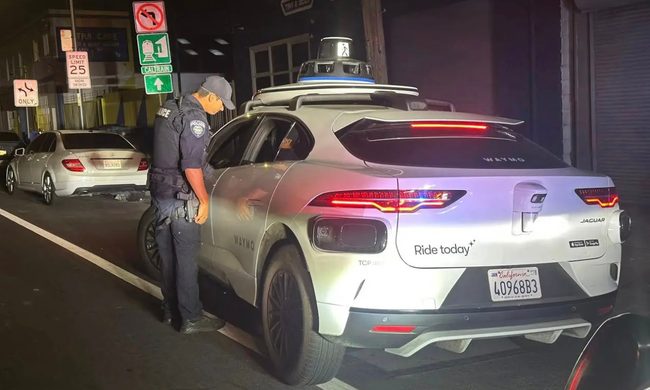
A police officer investigating an empty Waymo car.

Waymo’s 83 parking citations in Austin don’t amount to a financial crisis. They do reveal what happens when the same driving decisions are repeated across an autonomous fleet.

City records obtained by The Wall Street Journal show that Waymo vehicles have accumulated $9,325 in fines since arriving in 2024. The company has paid most of them, but the more revealing detail is how often its cars have made the same mistake.

Read more
Google Maps’ biggest Android Auto upgrade is reaching more users
Google Maps is finally giving Android Auto users directions with a little more drama.
Electronics, GPS, Car

Google is widening the rollout of two long-awaited Google Maps features for Android Auto users: Immersive Navigation and a built-in live speedometer. After months of limited availability, reports suggest both features are now reaching a broader group of users, including people running stable versions of Google Maps instead of beta builds.

The update is part of Google's ongoing effort to modernize the Android Auto navigation experience. While the company unveiled Immersive Navigation earlier this year as one of the platform's biggest upgrades in years, the feature has been trickling out slowly, leaving many users without access. That appears to be changing, with more devices now receiving the update through a server-side rollout.

Read more
Tesla’s hidden door problem might end up fixing every car in America
This could permanently change how emergency exits are designed in American passenger vehicles.
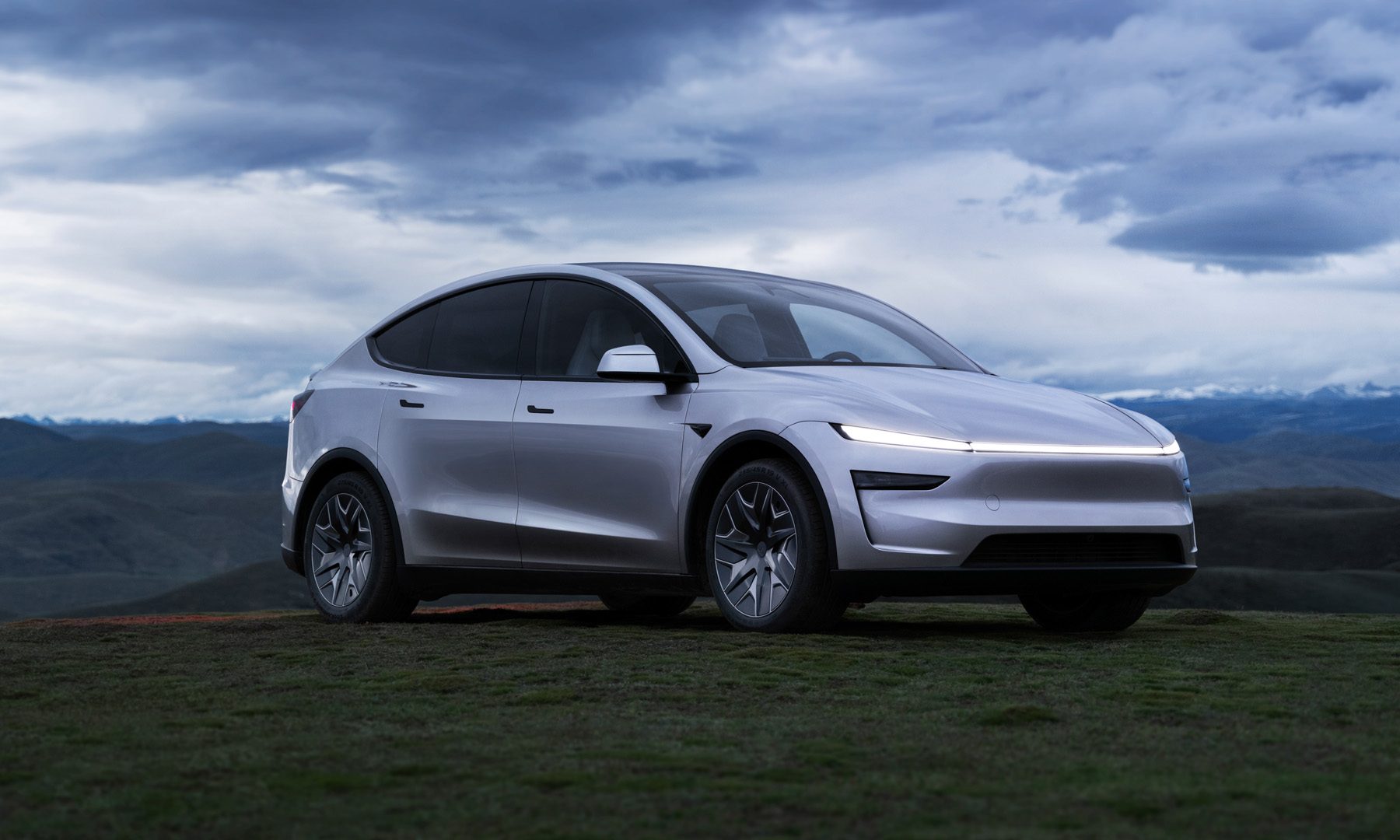
Tesla Model Y Long Wheelbase Featured

Tesla's electronic door handles have been a safety talking point for years, mostly on Reddit threads and EV forums where people debate whether sleek design is worth the tradeoff when a car is on fire and power is out. 

Now the US government has formally weighed in (via The Washington Post). The outcome, I’d say, is bigger than most people think.

Read more