1. Home
  2. Phones
  3. Android
  4. Apple
  5. Mobile
  6. Web
  7. News

Google takes the the hassle out of 2-step verification

Add as a preferred source on Google

Two-step authentication, while undeniably makes your account more secure, can be a pain to use — you usually have to wait to get a text, an email, or a code from a specific app and then type that in after you enter your login credentials. Thankfully, Google has made it less of a hassle with a new way to approve or reject sign-in requests with “2-step Verification” for its services.

Until now, to log into a Google account when 2-step Verification is turned on — whether it’s Google Drive, Gmail, or Google Calendar — you had to use a six-digit code from the Google Authenticator app after inputting your username and password. The code is time-based, so it changes every few seconds, and you can even access this code via an Android Wear smartwatch. You can also login with 2-step Verification with a USB Security Key.

Recommended Videos

Now, rather than having to use an extra app just to verify that you’re you or a USB Security Key, Google’s updated method automatically sends you a push notification when you try to login to a Google service, and it asks if you’re “trying to sign-in?” The notification will detail where the login in attempt was made, and on what device. You can then tap allow or deny to approve or reject the login attempt — and that’s it, you’re in.

Of course, you can still use the other methods if you want — but the new process is much simpler. You’ll have to opt-in first, even if you have 2-step Verification set up already. To do that, login to Google and head over to My Account. Then click on Sign-in & Security, tap on Signing in to Google, and finally go to 2-step Verification. You can turn on 2-step Verification here, and you’ll be able to set up the alternative method to “get a Google prompt to sign in.”

Google has been using two-factor authentication for quite a while, but this new push notification process was adopted not too long ago by the likes of Facebook and Twitter. Two-factor authentication is a crucial and important step in keeping your accounts secure in this day and age, as they add an extra layer of security.

Google says you can’t use a Security Key USB and a Google prompt at the same time, and you’ll need a data connection to use prompt. If you’re on an iOS device, you’ll have to download the Google app on your device to be able to get prompts, but Android users just have to wait for the Google Play Services update — it’s rolling out gradually.

Julian Chokkattu
Former Mobile and Wearables Editor
Julian is the mobile and wearables editor at Digital Trends, covering smartphones, fitness trackers, smartwatches, and more…
5 reasons I keep coming back to Apple Reminders despite paying for premium task managers
I rely on OmniFocus for complex projects, but Apple Reminders still handles my everyday tasks better than any paid app.
Apple Reminders open on iPhone

The App Store is filled with premium task managers, and like Things 3, Todoist, and OmniFocus, despite buying and switching between several of them, I keep coming back to Apple Reminders. 

Don’t get me wrong, I still use OmniFocus to manage my projects. But when it comes to daily tasks and quick capture, Apple Reminders still remains my go-to app. In this guide, I'll walk you through the five biggest reasons why.

Read more
Google may finally ditch Samsung’s modem in the Pixel 11, and Tensor G6 could be better for it
FCC paperwork for Google’s next foldable points to MediaTek, raising hopes for lower power use and a cleaner break from Tensor’s Exynos roots
AI recreation of Pixel 11's Pixel Glow feature.

Google may be preparing its biggest Tensor hardware split yet. As spotted by Android Authority, FCC testing for an unreleased foldable Google phone includes a reference to MediaTek radio-frequency software, adding weight to reports that the Pixel 11’s Tensor G6 could leave Samsung’s Exynos modem behind.

Every previous Tensor chip has used Samsung modem hardware. Changing suppliers won’t guarantee better battery life or reception, but it gives Google a fresh path after years of leaning on the same underlying technology.

Read more
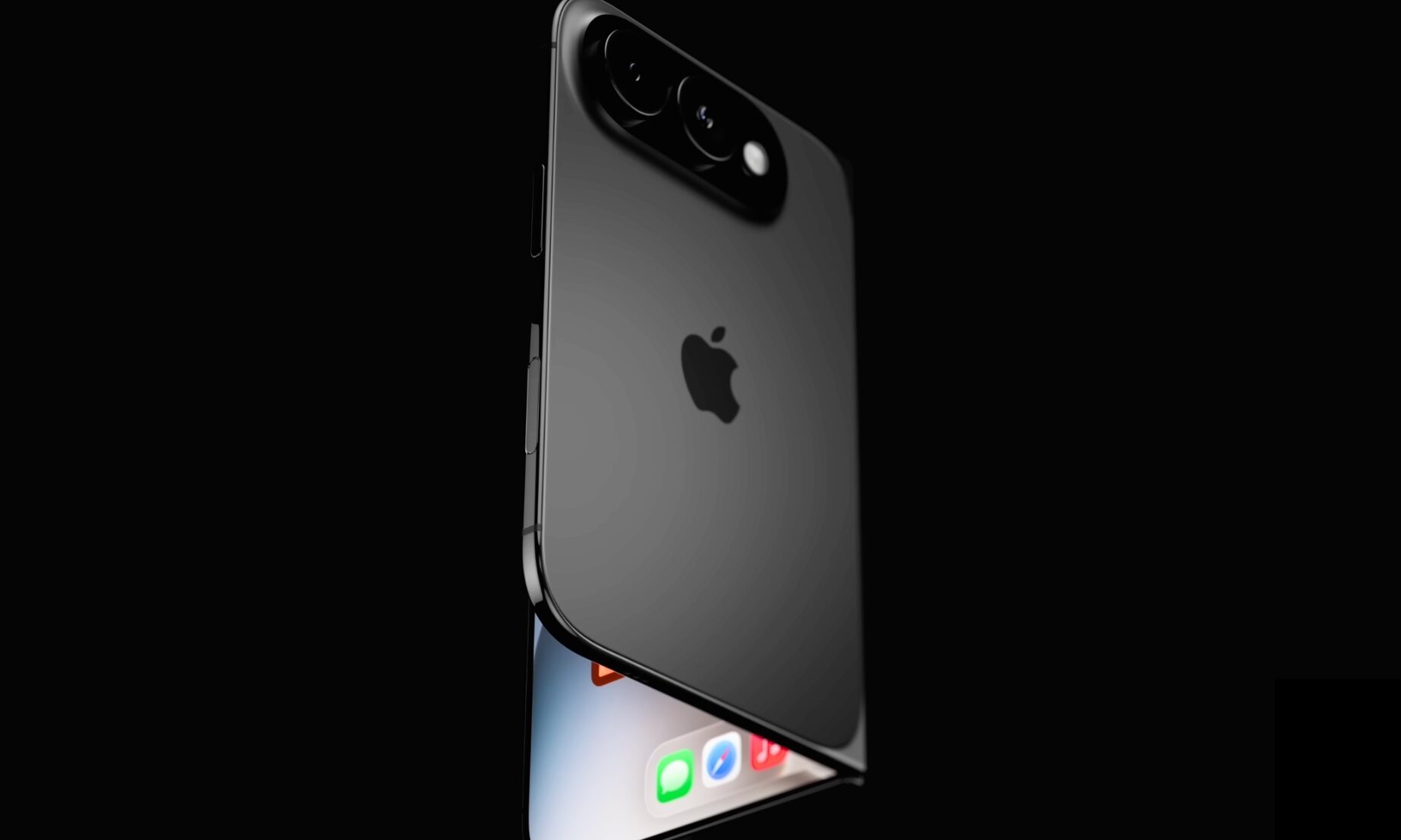
Apple’s iPhone Ultra could one-up the Galaxy Z Fold 7 with a bigger battery
4,883mAh total capacity, two cells, and two screens drawing power. Somewhere between "fine" and "I hope Apple's software does the heavy lifting."
Electronics, Phone, Mobile Phone

Apple's foldable iPhone is getting closer to its September announcement. Despite rumors of a delay, a recent report claimed that Foxconn is hiring temporary workers to ramp up production of the Ultra. Now we have a number for one of its most important specs: the battery.

I'll be honest: when I saw the battery figure, my reaction was somewhere between "that works" and "I was hoping for more."

Read more