1. Home
  2. Phones
  3. Android
  4. Computing
  5. Mobile
  6. News

Dell discontinuing Venue series, will no longer make Android tablets

Add as a preferred source on Google

“Dell makes Android tablets?” you might ask. The answer has been yes, but not anymore, as the company will not offer any new devices in its Venue line.

Dell’s Venue series has offered a fairly solid Android experience — the Venue 8 7000 and the Venue 10 7000 in particular are great tablets, as we noted in our reviews of those products. Even though they stood apart from competitors —  the Venue 8 boasts an OLED screen, for example — it doesn’t look like Dell managed to spark interest in them. The company will instead focus on its Windows 2-in-1 devices.

Recommended Videos

“The slate tablet market is oversaturated and is experiencing declining demand from consumers, so we’ve decided to discontinue the Android-based Venue tablet line,” a Dell spokesperson tells Digital Trends. “We are seeing 2-in-1s rising in popularity since they provide a more optimal blend of PC capabilities with tablet mobility. This is especially true in the commercial space.”

Dell will not be releasing any more Android version updates to existing devices, but warranty and service contracts will still be supported. In addition, you’ll no longer be able to buy the Wyse Cloud Connect, a USB-styled cloud access device that can plug into any display.

Dell never really have much luck with the Venue line anyway — a line of Android-powered smartphones was also part of the Venue series, but it was discontinued in 2012.

It’s not the end for Dell and Android, though. For one thing, there are still the Chromebooks from Dell, which will soon be able to run Android apps and house the Google Play Store. But the company says it’s still open to supporting Android on its devices in the future — just probably not tablets.

The move is unsurprising — global tablet sales have been dipping since early 2015.

Julian Chokkattu
Former Mobile and Wearables Editor
Julian is the mobile and wearables editor at Digital Trends, covering smartphones, fitness trackers, smartwatches, and more…
The EU says TikTok still isn’t doing enough to protect kids
Regulators say the platform's privacy settings don't go far enough under the Digital Services Act.
TikTok Creative Featured

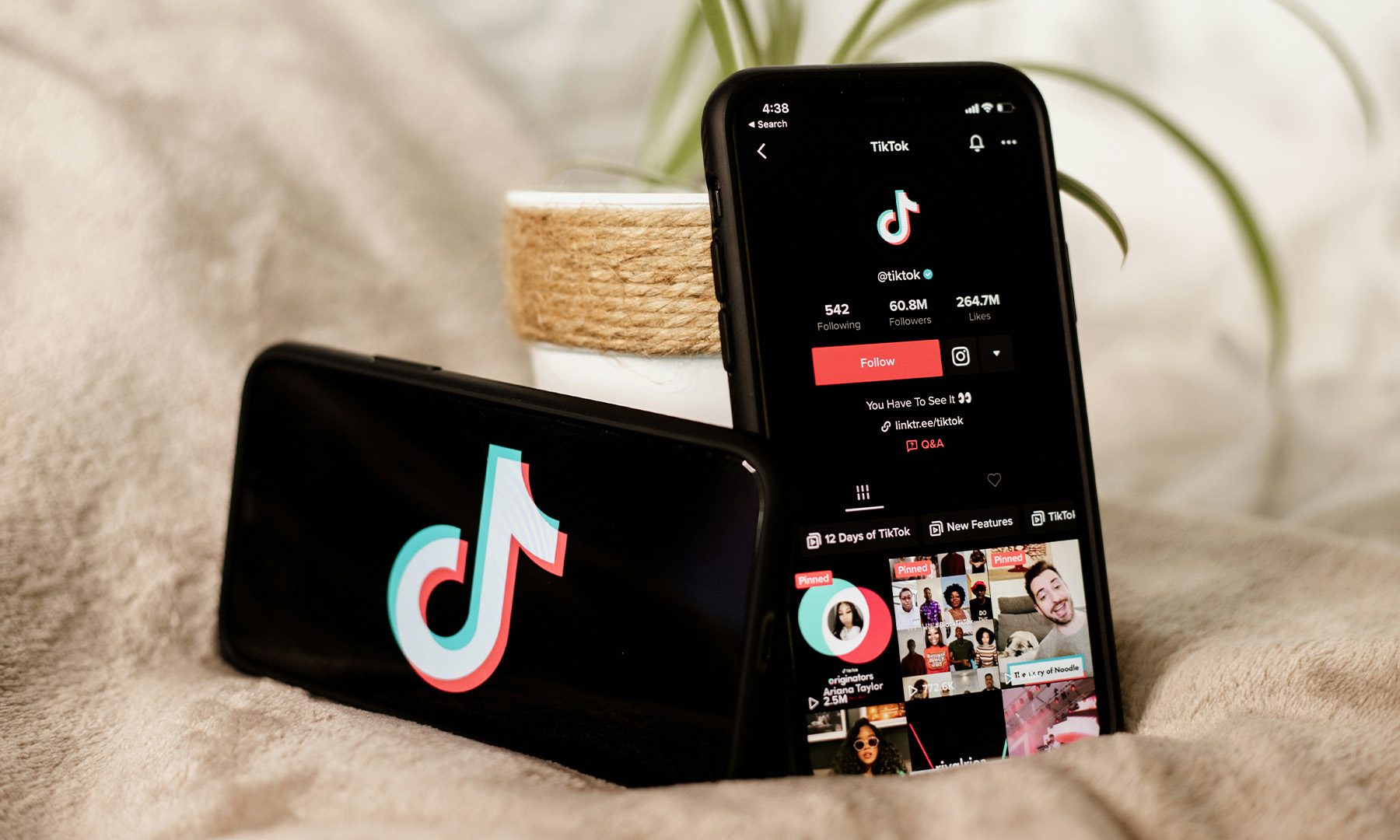
The European Commission has accused TikTok of falling short on protecting minors, saying the platform's current account settings don't meet the child safety standards required under the Digital Services Act (DSA). The findings are preliminary, but if upheld, TikTok could face a fine of up to 6% of its global annual revenue.

Why the EU thinks TikTok isn't doing enough

Read more
Qualcomm is set to ratchet up chip prices in September, and your next gadget upgrade could bear the brunt
The price hike could touch every Snapdragon-powered device category.
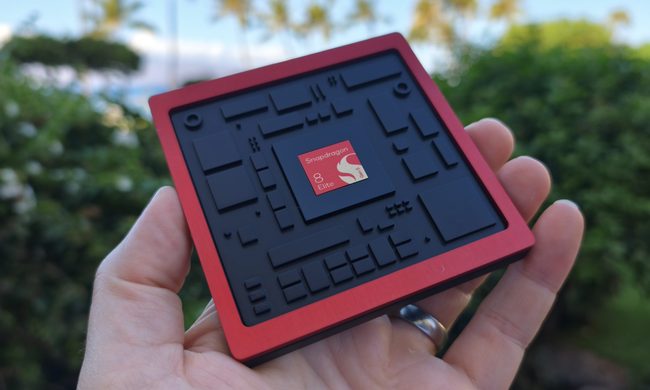
The new Qualcomm Snadragon 8 Elite Gen 5

I want you to sit with this for a second. Qualcomm, the company whose Snapdragon chips sit inside your Android phone and tablet, your Windows laptop, your Meta smart glasses, your Galaxy Watch, and your wireless earbuds, reportedly sent a letter to every major customer telling them prices are going up by double digits. 

The price hike will be in effect from September 1, 2026, a recent Bloomberg report claims. Essentially, all the companies placing their chip orders after that will pay a higher price. 

Read more
Enter the wrong PIN 13 times and your Galaxy phone is locked for good
New Galaxy phones will require a factory reset after 13 failed unlock attempts
Samsung Galaxy S26 Ultra smartphone in blue color.

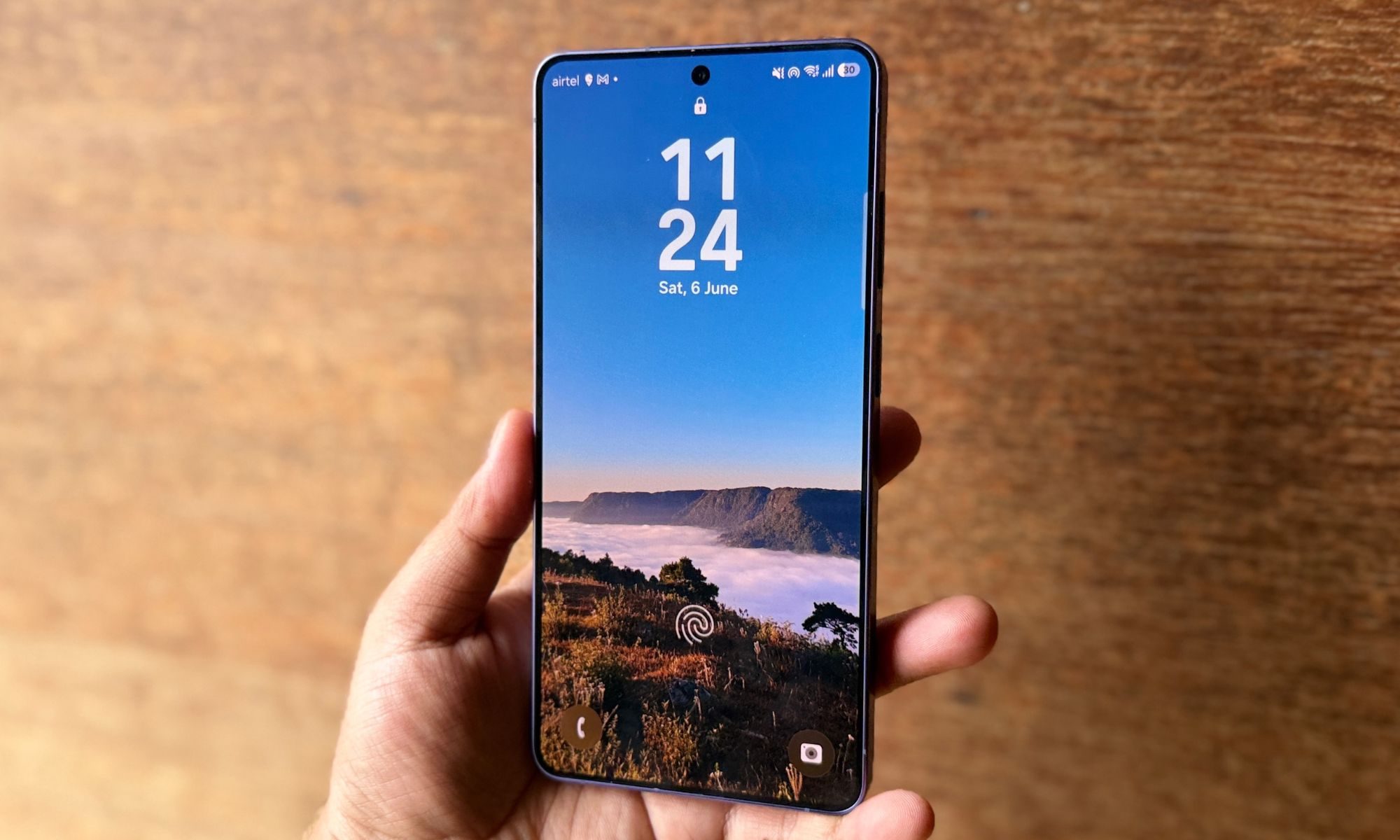
Samsung is making the lock screen much harder to break on Galaxy devices launching with Android 17-based One UI 9. Enter the wrong PIN, pattern, or password 13 times, and the phone will stop accepting attempts. A full factory reset will then be the only way to use it again.

The change is designed to stop brute-force attacks, where someone repeatedly guesses different passwords until one works. It is a major shift from older One UI versions, which mainly relied on temporary waiting periods rather than a mandatory final lockout.

Read more