  1. Home
  2. Cars
  3. Emerging Tech
  4. Legacy Archives

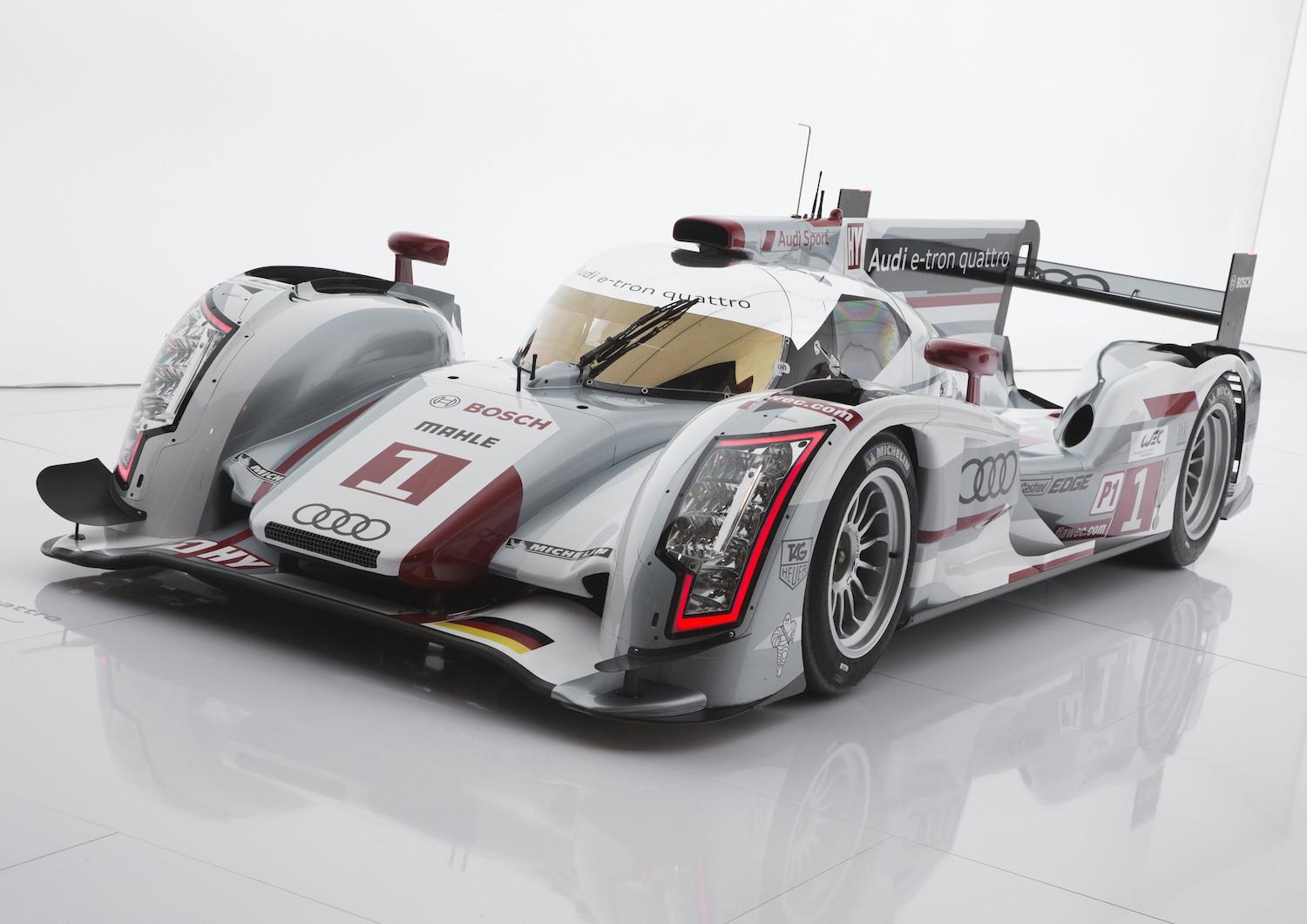
Audi will test 510hp diesel-hybrid powered ‘long-tail’ R18 e-tron quattro racer at Spa in Belgium

Add as a preferred source on Google
Audi R18 e-tron
Image used with permission by copyright holder

Last year, Audi ran two versions of its R18 e-tron quattro racecars: one more aerodynamic than the other. This year, though, Audi will be testing a third variant it’s calling the “long-tail,” which has been optimized for high-speed Le Mans tracks.

The idea of the long-tail is not to see which version goes around the entire circuit fastest but rather which performs best in differing sections of the raceway. Audi will take that information and tweak the cars it intends to enter in the Le Mans 24 Hour.

Recommended Videos

But what is underneath the long-tail, carbon fiber body? Believe it or not, it’s a hybrid diesel car.

Audi’s R18 e-tron quattro is powered by a 3.7-liter V6 turbocharged TDI diesel engine, which produces 510 horsepower and upwards of 626 pound-feet of torque. Additionally, the specially built racecars feature an electric flywheel and a water-cooled motor generator unit in the front axle. In the middle of the system is a sequential, electronically activated six-speed transmission.

Distinctively, the cars are rear-wheel drive up until around 75mph. Then, the electric unit kicks in, which powers the front wheels for improved traction and power delivery. Although it’s not a traditionally quattro system that customers might find underneath the Audi models at their local dealership, systems like that of the R18 might someday soon make their way into production cars.

If you have a chance to watch the Spa race somewhere, we recommend you do. Audi has quite a competition going on with the Toyota team right now. Audi R18 e-tron quattro driver, André Lotterer, considers the Spa track his ‘home’ so it should be an exciting showdown.

We’ll bring you more about the long-tail R18 after the race is done so check back for a deeper dive into its distinctive long body design and unusual drive systems.

Nick Jaynes
Former Automotive Editor
Nick Jaynes is the Automotive Editor for Digital Trends. He developed a passion for writing about cars working his way…
Volvo is rolling out Apple Music to over 2 million cars with a simple OTA update
Your Volvo may soon get Apple Music without needing CarPlay
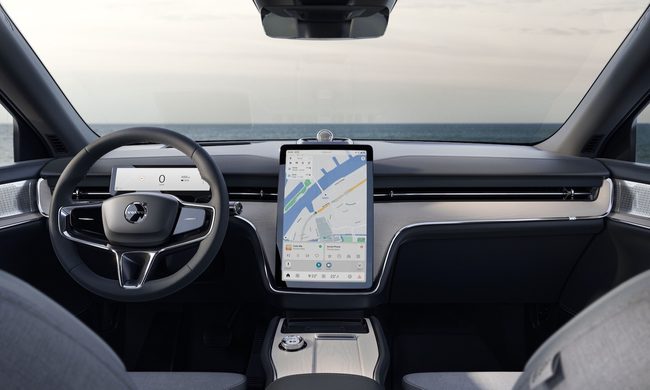
Interior view of the 2024 Volvo EX90.

The line between your smartphone and your car continues to blur. Volvo has announced that it is rolling out an over-the-air software update that brings Apple Music directly to the infotainment systems of more than 2 million vehicles worldwide. Instead of relying on Apple CarPlay or plugging in an iPhone, eligible drivers will be able to stream music natively from their car's built-in system, making Apple Music another integrated feature of Volvo's software experience.

The update is arriving for a wide range of Volvo models, including the EX90, ES90, XC90, S90, V90, XC60, S60, V60, XC40, EX40 and EC40, covering model year 2020 onwards. Availability, however, may vary depending on the vehicle.

Read more
Chery’s latest EV packs flagship tech for the price of a base Tesla, but you can’t buy it
Here's everything packed into Exeed's 2027 Exlantix ES, from its 27-sensor autonomous driving suite to its 860 km range, all starting under $31,000.
Car, Transportation, Vehicle

Chery's premium arm just dropped a sedan that makes you wonder why American EVs cost twice as much for half the tech.

Exeed's 2027 Exlantix ES ships with a driver-assist system called Falcon 700. It is built around an Nvidia Orin-Y chip and a genuinely stacked sensor suite.

Read more
A new AI model wants self-driving cars to think before they swerve
Forget guessing games, this self-driving AI actually shows its work.
Self driving car

Self-driving cars have gotten pretty good at driving. The harder problem is teaching them to drive safely in situations nobody planned for. We have heard horror stories of self-driving cars, behaving erratically in emergency situations, often times delaying first responders from reaching the scene.

A team at Seoul National University, led by professor Jun Won Choi from the Department of Electrical and Computer Engineering, thinks they have cracked part of that puzzle with a new AI model called SafeDrive. The research was recently selected as a highlight paper at CVPR 2026, a distinction that goes only to roughly 3% of all submissions.

Read more