1. Home
  2. Cars
  3. Photo Galleries
  4. Legacy Archives

Swedes start Chinese invasion: Chinese-built Volvo S60L headed Stateside next year

Add as a preferred source on Google

Surprisingly, Volvo is about to become the first company to sell a mass-produced Chinese-built passenger car in the United States.

Speaking with news agency Reuters, an anonymous senior Volvo executive admitted the automaker will start exporting a long-wheelbase version of the S60 sedan from China to the United States next year. The stretched sedan will also be added to the Swedish automaker’s catalog in a host of countries around the globe including Russia and select Latin American nations. All told, Volvo hopes to sell 10,000 examples of the S60L outside of China each year.

Volvo has not commented on how it expects U.S. buyers to react to a Chinese-built car. The automaker’s executives have simply pointed out that shipping cars from China makes a lot of sense from a business point of view.

 “The dollar and the yuan have the best relationship, a more stable relationship than the euro and the dollar,” explained an executive. 

In China, the S60L is 3.1 inches longer than its stock counterpart. The added sheet metal clears up a noticeable amount of extra space for the rear passengers, and Volvo fits the sedan with upmarket equipment like heated rear seats, power sunshades and a power passenger seat that can be adjusted by the rear passengers.

Stretched compact luxury sedans are growing in popularity in China, and the S60L squares off against similarly-lengthened variants of the BMW 3-Series, the Audi A4 and the Mercedes-Benz C-Class.  At the time of writing the aforementioned automakers have not expressed an interest in following the S60L’s foray into the U.S. market. 

Volvo is expected to publish additional information about the U.S.-spec version of the S60L in the coming months. The automaker has not revealed when the sedan will go on sale or how much of a premium it will command over a stock S60.

Ronan Glon
Ronan Glon is an American automotive and tech journalist based in southern France. As a long-time contributor to Digital…
Waymo’s driverless cars keep getting parking tickets in Austin, and humans aren’t the only ones complaining
Waymo vehicles have collected $9,325 in Austin fines as repeated parking mistakes turn into a fleet-wide operational problem
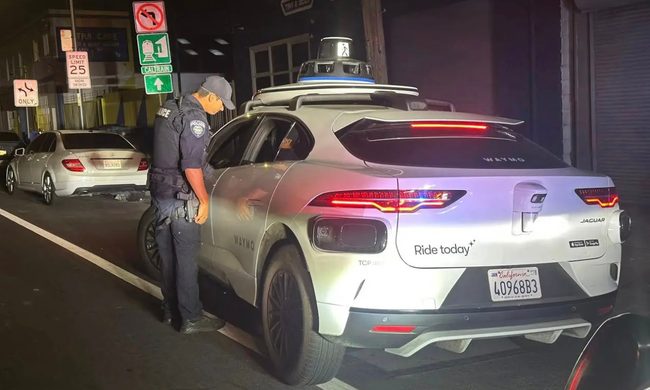
A police officer investigating an empty Waymo car.

Waymo’s 83 parking citations in Austin don’t amount to a financial crisis. They do reveal what happens when the same driving decisions are repeated across an autonomous fleet.

City records obtained by The Wall Street Journal show that Waymo vehicles have accumulated $9,325 in fines since arriving in 2024. The company has paid most of them, but the more revealing detail is how often its cars have made the same mistake.

Read more
Google Maps’ biggest Android Auto upgrade is reaching more users
Google Maps is finally giving Android Auto users directions with a little more drama.
Electronics, GPS, Car

Google is widening the rollout of two long-awaited Google Maps features for Android Auto users: Immersive Navigation and a built-in live speedometer. After months of limited availability, reports suggest both features are now reaching a broader group of users, including people running stable versions of Google Maps instead of beta builds.

The update is part of Google's ongoing effort to modernize the Android Auto navigation experience. While the company unveiled Immersive Navigation earlier this year as one of the platform's biggest upgrades in years, the feature has been trickling out slowly, leaving many users without access. That appears to be changing, with more devices now receiving the update through a server-side rollout.

Read more
Tesla’s hidden door problem might end up fixing every car in America
This could permanently change how emergency exits are designed in American passenger vehicles.
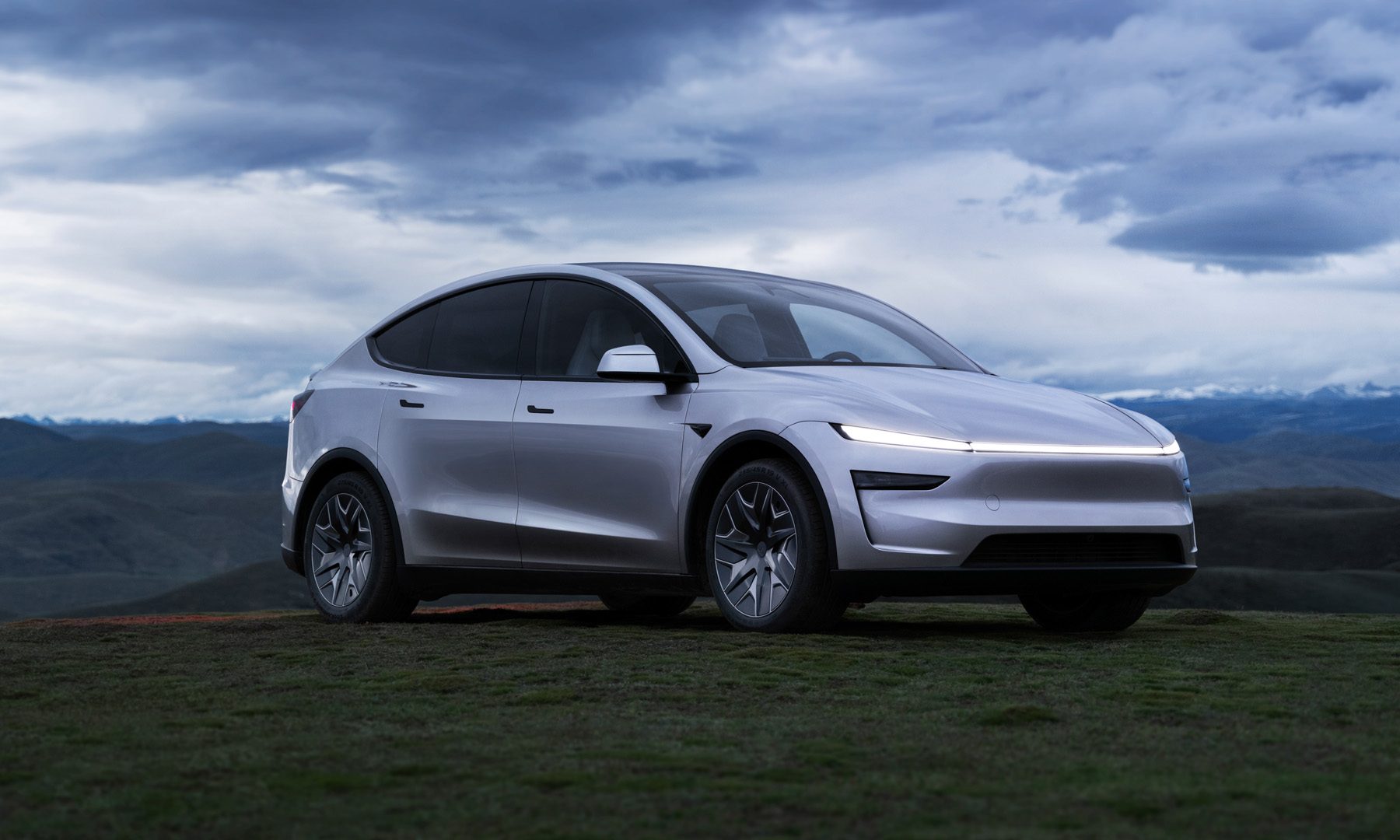
Tesla Model Y Long Wheelbase Featured

Tesla's electronic door handles have been a safety talking point for years, mostly on Reddit threads and EV forums where people debate whether sleek design is worth the tradeoff when a car is on fire and power is out. 

Now the US government has formally weighed in (via The Washington Post). The outcome, I’d say, is bigger than most people think.

Read more