1. Home
  2. Cars
  3. News

Results of the G7 summit may make fossil fuels a thing of the past by 2100

Add as a preferred source on Google

We all know that many of the things we do for fun aren’t necessarily good for us, including our love of cars. While vehicle electrification and alternative fuel development has made large strides, many feel the emission regulation needs to be far stricter than they have been, and that is just what the world leaders at this year’s G7 summit agreed to do.

In their latest meeting, world leaders from seven countries — Canada, France, Italy, Germany, Japan, the United States, and the United Kingdom — as well as representatives from the European Union, declared they will use their influence to move away from fossil fuels by the end of the century.

Recommended Videos

Yes, that’s a while from now, but the summit declaration states that the group supports the goal of reducing emissions by as much as 70 percent in 2050.

Putting aside the need to secure a better future for generations to come, more personal concerns are that the effects of climate change are already rearing their ugly heads. Changing things soon should help mitigate the impact we’ve made. Furthermore, the G7 plans to influence the economy that give incentive to lean toward cleaner energy sources. Hitting that 2050 goal will mean that within the next 10 to 20 years, we’ll already start seeing changes.

All the petrol heads stockpiling fuel barrels for the bleak, combustion-free future, there’s some news that should put your mind at ease. While the G7 leaders certainly have influence, none of what they say are binding laws, so gas-powered cars aren’t going to be illegal anytime soon.

That being said, fossil fuel power has always had its days numbered, just like the fuel sources that preceded it, like coal. Take comfort in the fact that, after many of us have shuffled off, cars will still live on, and so will the love of driving, regardless of whats under the hood.

Alexander Kalogianni
Former Automotive Editor
Alex K is an automotive writer based in New York. When not at his keyboard or behind the wheel of a car, Alex spends a lot of…
Tesla’s hidden door problem might end up fixing every car in America
This could permanently change how emergency exits are designed in American passenger vehicles.
Tesla Model Y Long Wheelbase Featured

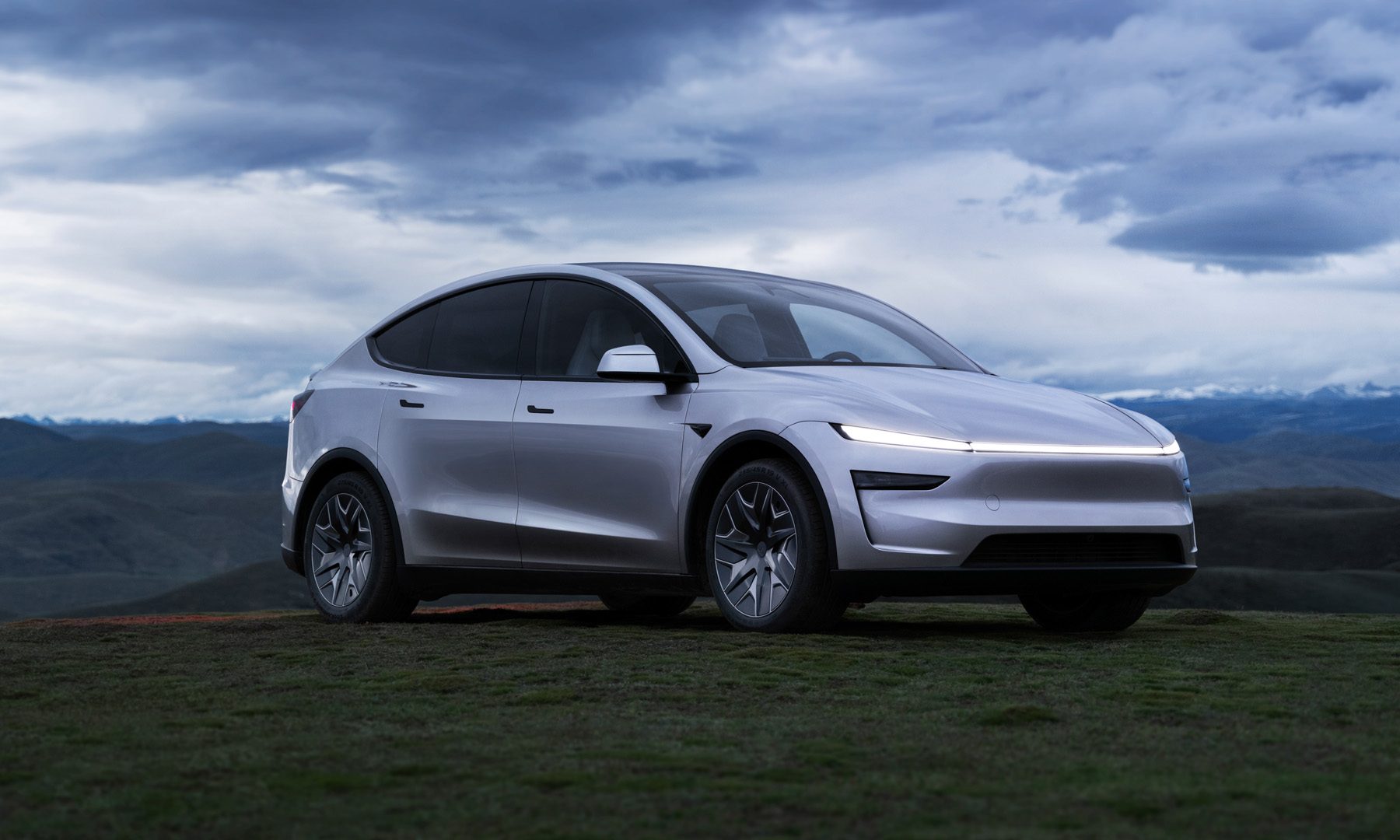
Tesla's electronic door handles have been a safety talking point for years, mostly on Reddit threads and EV forums where people debate whether sleek design is worth the tradeoff when a car is on fire and power is out. 

Now the US government has formally weighed in (via The Washington Post). The outcome, I’d say, is bigger than most people think.

Read more
Ford’s UEV platform will feature Apple Maps built in
The integration will run through Apple's new MapKit for Automotive SDK and skip CarPlay's phone-mirroring approach.
Car, Transportation, Vehicle

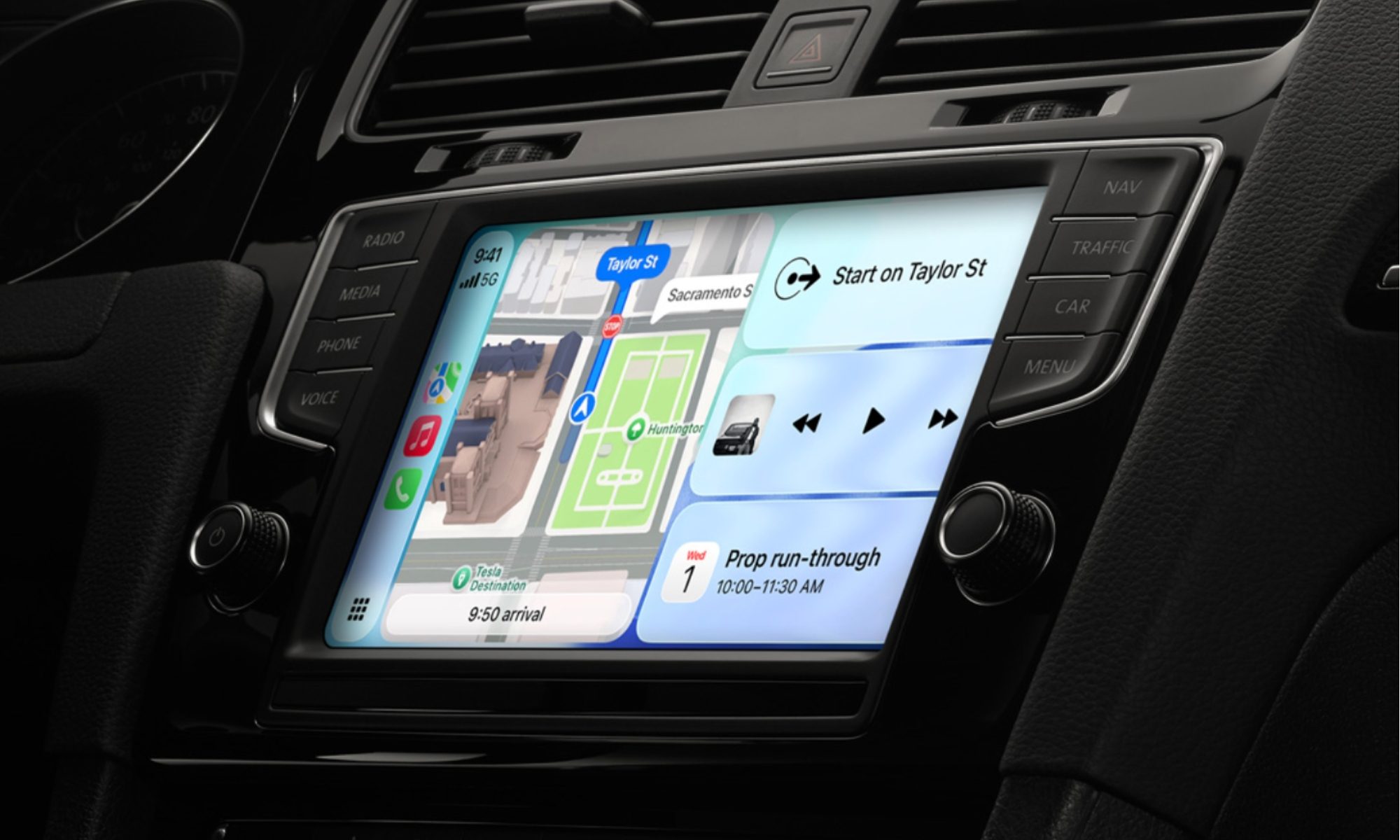
Ford's upcoming budget electric vehicle won't force you to choose between a built-in map and one borrowed from your phone. Apple announced today that Ford's Universal Electric Vehicle (UEV) platform will ship with Apple Maps running natively on the car's screens. The feature will arrive in 2027 through Apple's new MapKit for Automotive SDK, a toolkit that lets automakers build Apple Maps straight into their dashboards.

An infotainment system that doesn't need your phone plugged in

Read more
WhatsApp’s new in-car experience is built around hands-free control
CarPlay and Android Auto users can now hear and reply to messages, view call history, and reach favorite contacts without touching their phone.
WhatsApp new CarPlay experience featured

Meta is overhauling how WhatsApp works in the car, giving CarPlay and Android Auto users a lot more to do than just sending texts and making calls. The company announced the change in a newsroom post today, alongside several other updates rolling out to the messaging app.

WhatsApp finally works hands-free in the car

Read more