The last thing Microsoft expected to do at CES this year was defend its existence in the virtual assistant space, but that’s exactly what has transpired. While the company did have a few announcements, including most notably the sleek Glas smart thermostat, it was blindsided by a bevy of other announcements about placing Alexa on Windows 10 PCs from HP, Lenovo, Asus and Acer later this year.
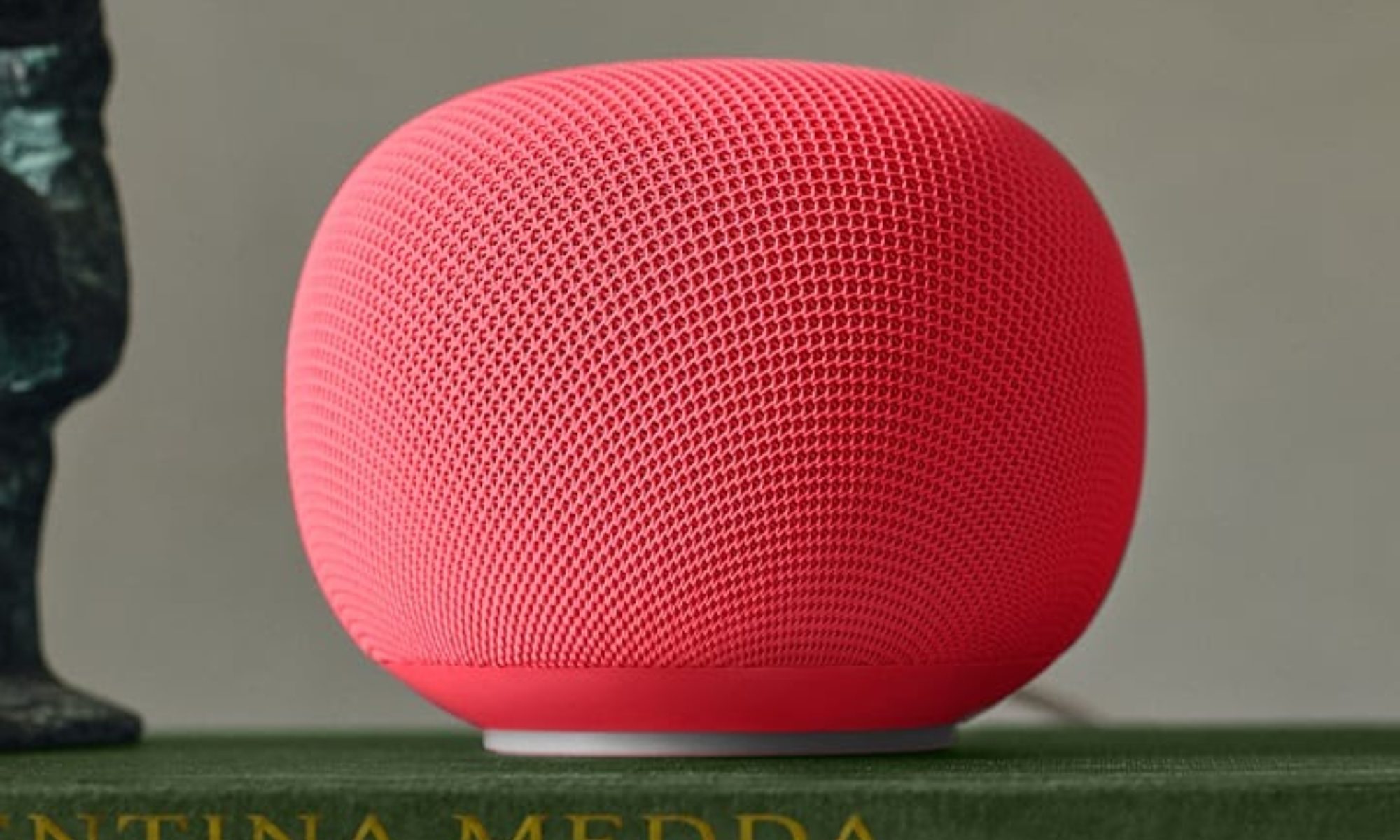
While it never has had a true presence at CES, Apple is feeling the heat, too. Its HomePod smart speaker is still vaporware, with no release date other than “early 2018.” Apple claims it needs more time to perfect the product.
While all of this is going on, Amazon and Google Assistant continue to wipe the show floor with the competition at CES, as its partners announce integration with everything from kitchen faucets by Delta to a Kohler-produced bathroom mirror and 4K projectors from Optoma.
This leaves both Microsoft and Apple in a tough position. Has the virtual assistant segment of the market essentially been cornered by Amazon and Google? Arguably, yes. Look at the number of skills: Microsoft’s Cortana has roughly 230 skills available at last count, whereas Amaon’s Alexa has 25,000.
With Apple — as usual — it comes down to price. The HomePod is expected to retail for $349. That’s $120 more than the Echo Show, which is Amazon’s top-of-the-line device that also boasts a screen. While HomeKit has been a recent focus for Apple, our own experiences with it have been less than stellar.
Apple’s high prices
While Alexa isn’t perfect, we find ourselves having more trouble getting Siri to control our smart home than we do with Alexa, so we’ve all but stopped using Siri for home control altogether. We can’t imagine we’re the only ones with these issues, or who has given up on HomeKit as a means of smart home control.
Now comes the tough love. For Microsoft, the Alexa PC integration is most problematic. Windows 10 was supposed to be Cortana’s domain. While Alexa is not replacing Cortana on these machines, her presence — as well as the fact you can wake her just the same as you would an Echo device — seems like it will only be too easy to rely on Alexa instead of Cortana.
That’s sad. Even though I consider myself a ‘Mac guy,’ my experiences with Cortana have been nearly all positive. From the perspective of understanding context and queries intuitively, Microsoft has done a way better job than anybody else. At the same time, Cortana’s smart home support stinks, regardless of the announcements at CES 2018. Its presence in smart speakers is equally meager, with Harman Kardon’s Invoke really the only one worth purchasing.
Apple’s problem, as noted earlier, is price. The HomePod is a beautiful speaker, really. But with the HomeKit’s temperamental nature and the HomePod’s sky-high price, we’d rather buy several Echoes and have whole-house sound. We’re also not clear if Apple is truly serious about Siri outside of its computing products; it seems more of an added benefit rather than a central feature.
What’s next?
So where do we go from here? That’s up to these companies. Microsoft has a history of getting into markets late (Zune, mobile phones, for example) and giving a half-hearted effort, wasting hundreds of millions in the process. Apple also likes to enter markets late, but to its credit, it introduces products that are compelling enough to buy — but only if you have the money.
The digital assistant race has very much become a race to the bottom when it comes to price, and a competition to integrate with as many devices as possible. On either point, these are areas where these companies have either not done enough to support their efforts or shown an odd reluctance to do so.
If Microsoft or Apple really want to compete, this is what they’ll have to do. Because Amazon and Google sure looks like they’re playing for keeps.