1. Home
  2. Computing
  3. Gaming
  4. Virtual Reality
  5. News

AMD pushes back anticipated dual-GPU video card to coincide with VR launches

Add as a preferred source on Google

Commercial virtual reality isn’t far away. You know it, we know it and AMD knows it too. That’s why it’s pushed back the launch of its dual GPU Fiji XT card, which will replace its Radeon R9 290X2 and will likely be the most powerful single PCB graphics card in the world when it does show up. The idea is to have the “Gemini” card available to early adopters of the Oculus Rift CV1, and other VR headsets like the HTC Vive.

Interestingly though, those dates don’t line up as close as AMD hopes — that, or we’ve been misled on when VR is expected to arrive. Although we don’t know for sure when it will be available, the Oculus CV1 is said to launch in Q1 2016. The HTC Vive is expected to show up in April. So the fact that AMD said in its chat with Hardware.fr (via TechReport) that the dual GPU card wouldn’t be showing up until Q2 2016, is a little surprising.

Recommended Videos

Presumably that’s early Q2, but if it ships after the launch of the VR headsets from Oculus and HTC/Valve, surely it’s going to miss those that want their PC ready to go before their headset arrives.

Gemini was initially scheduled for a Q4 2015 launch, so those who were hoping to have a new monster graphics card in place before the end of the year will be a little disappointed at this news. However, they needn’t worry that this delay was just a cover story, as AMD claims to have sent several samples of the card out to B2B customers, and they have been very positive about its performance.

With AMD’s increased focus on drivers and software support, perhaps it’s merely the case that it took this opportunity to fine tune things a little more, and at the same time partner up with Oculus or other VR developers to help push its high-end hardware.

Are you sad about this delay? The audience for such a card would be pretty small, considering it will be a $1,000+ GPU at launch.

Jon Martindale
Jon Martindale covers how to guides, best-of lists, and explainers to help everyone understand the hottest new hardware and…
ChatGPT will now remind teens to take breaks and give parents more controls
New parental controls include Quiet Hours, Study Mode defaults, and alerts for serious account violations.
chatgpt-teen-safety-features

OpenAI wants to make ChatGPT safer for teens, and the changes go well beyond a simple content filter. In a new update, the company laid out its stance on why teens should have access to AI in the first place, arguing that keeping them away from it entirely would leave them unprepared for one of the defining technologies of their generation.

Nearly 90% of teens already use ChatGPT weekly for learning, research, or getting organized, which is why OpenAI says access needs to come paired with real protections built for their age.

Read more
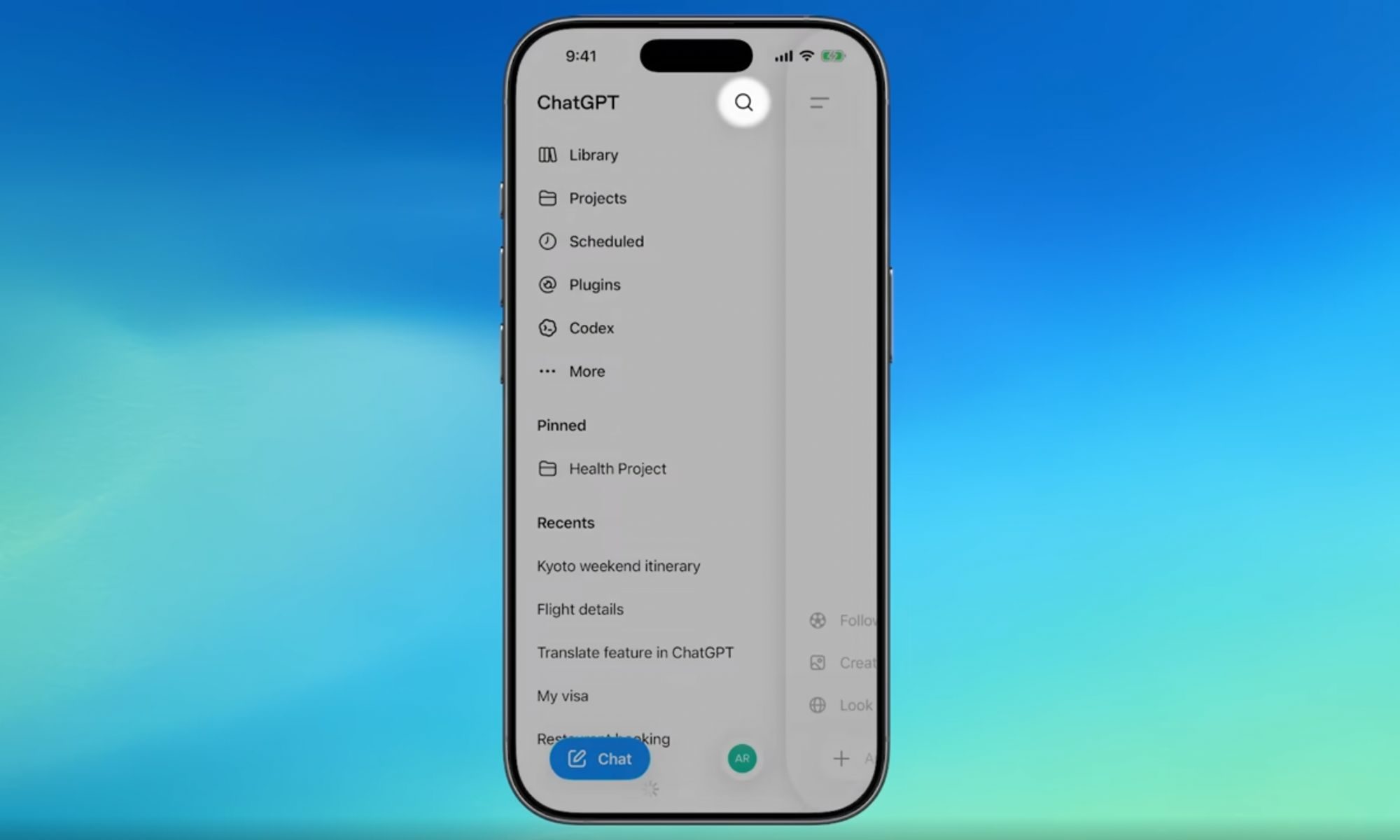
ChatGPT’s new search tool saves you from digging through old chats, files, and images
You can also filter ChatGPT search results by content type.
chatgpt-new-search

If you have ever lost a great ChatGPT answer somewhere in your endless chat history, that headache is finally over. OpenAI has rolled out a major search upgrade that lets you find old chats, projects, documents, and images all from one place.

Before this update, the sidebar search only pulled up past conversations, leaving uploaded files, projects, and generated images completely out of reach. The new search option is now available across web, iOS, and Android, on every ChatGPT plan, including free accounts.

Read more
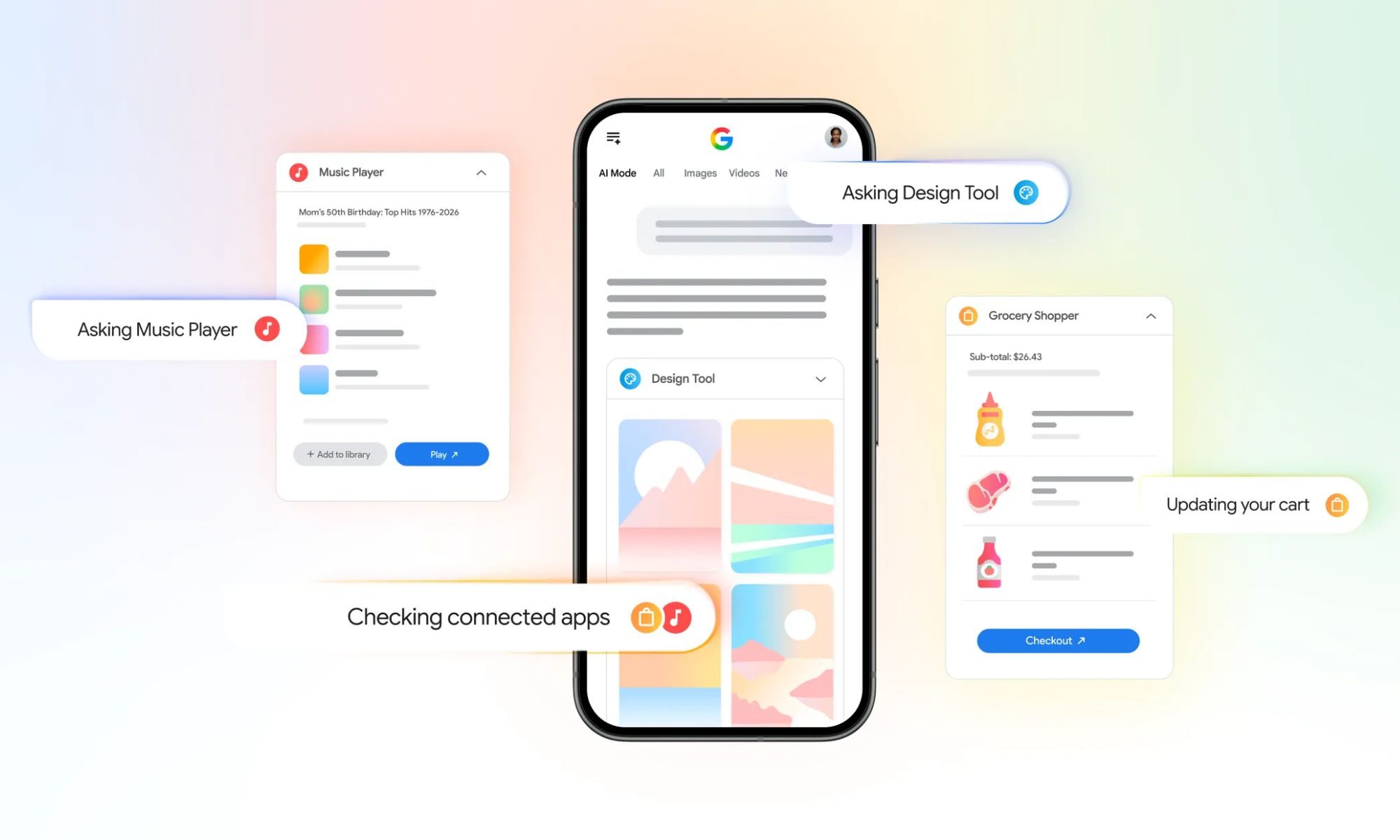
You can now link your favorite apps to AI Mode in Google Search to get things done
AI Mode now works with Instacart, Canva, and YouTube Music inside Search.
google-search-ai-mode-connect-apps

Google is making AI Mode in Search more useful by letting you connect third-party apps. Starting this week in the US, you can securely connect some of your go-to apps directly to AI Mode, letting Search actually complete tasks for you instead of just answering questions.

This update builds on a similar trick Google already pulled off inside the Gemini app, and now it is landing in Search itself. The initial rollout includes three launch partners, Instacart, Canva, and YouTube Music, with Google saying more app integrations are on the way.

Read more