 Internet access has become over the years something that many people just can’t live without. Access to the internet allows us not only to be entertained, but to learn and work as well. America today is well covered with internet access, even if some of the access is very slow by global standards.
Over the last year, internet access has been added to places where travelers traditionally had no service. The most important place to get internet access was in aircraft. Gogo internet access from Aircell is now installed on some aircraft in most major airlines fleets and the internet connectivity is being added to more flights all the time.
Internet access in the air allows business people to continue work while sitting on the plane eliminating downtime and increasing productivity. Some automotive manufacturers are also offering in car Wi-Fi as an option allowing all the passengers to get an internet connection when needed. Internet access is also coming to another type of mass transit — trains.
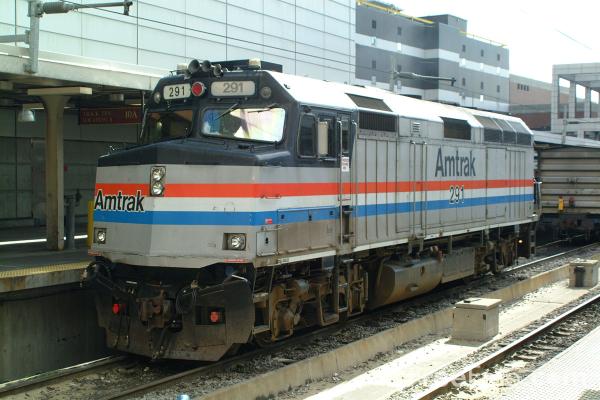
Amtrak has announced that it will be adding Wi-Fi to some of its train routes for free (for now). The caveat is that once riders are hooked, Amtrak will likely start charging. Starting in March, Wi-Fi will be offered on Acela trains that travel between Boston, New York, and Washington.
The addition of Wi-Fi on trains is a way for the trains to compete with airlines that commonly offer Wi-Fi on the same routes today. Amtrak spokesperson Cliff cole said, “That’s [the need to compete with airlines] part of it. It’s more about our initiatives to add services for our passengers and create a better riding experience.”
The train ride from New York to Washington takes nearly three hours and the new Wi-Fi access will let riders stay productive while riding the nation’s railways. Amtrak has plans to add Wi-Fi to Northeast regional trains as well and eventually access will be offered outside of the East Coast.