1. Home
  2. Computing
  3. News

Another flaw discovered in a security software product — this time it’s Avast

Add as a preferred source on Google

Dangerous flaws have been discovered in the Avast SafeZone browser by antivirus provider Avast, making it the next in a long line of security companies recently that have had vulnerabilities found in their products.

Avast SafeZone, also known as Avastium, is based on the open source Chromium browser and comes with Avast’s subscription to its antivirus software.

Recommended Videos

Last December, Google Project Zero security researcher Tavis Ormandy notified the company of flaws he found in the browser that could allow an attacker to access stored passwords and local files. He made his notification public this week.

According to Ormandy, a user can fall prey to someone accessing their browser if they click on a malicious website set up by the attacker. Ormandy created a proof of concept attack that could exploit someone’s C:/ drive and access files. He also discovered that Avast’s browser had removed a “critical security check” from Chromium that would help in preventing these kinds of attacks.

“Putting this all together, if an Avast user using *any* Web browser visits an attacker controlled URL, he can launch Avastium and take complete control of it; reading files, cookies, passwords, everything,” said Ormandy. “He can even take control of authenticated sessions and read email, interact with online banking, etc.”

Avast published a patch for the vulnerability this week after Ormandy gave a 90-day period before going public.

Ormandy has been busy of late discovering holes and bugs in security software. This week he went public with flaws in Comodo’s browser, which is also based on Chromium while before that he published research into Malwarebytes that showed it was susceptible to man in the middle attacks.

Several antivirus and security vendors have come under scrutiny in the last few weeks for flaws in their software. Kaspersky Lab, McAfee, and AVG all had flaws discovered in their software recently.

Jonathan Keane
Jonathan is a freelance technology journalist living in Dublin, Ireland. He's previously written for publications and sites…
TSMC might set up a price hike that could come straight for your next phone, laptop, or tablet
Here's what TSMC's rumored 10% chip price increase actually means in dollar terms, and why your next phone or laptop could end up costing more.
TSMC Fab

My wallet flinched the second I saw the words "TSMC" and "price increase" in the same headline, and honestly, yours should too.

Turns out the company behind the silicon powering basically every flagship device out there, including Apple’s A-series and Qualcomm’s Snapdragon processors, is reportedly about to make all of it a little pricier.

Read more
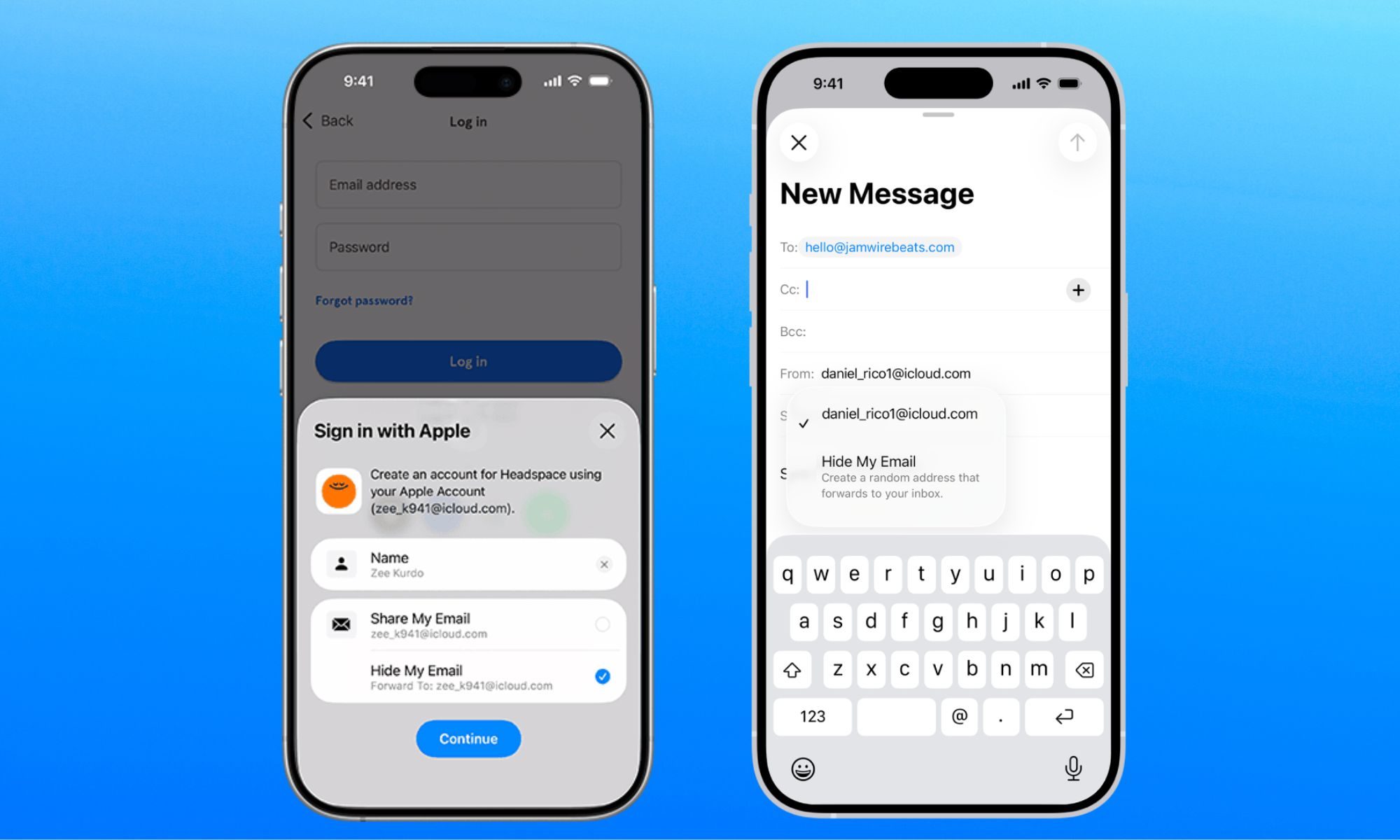
Apple fixes Hide My Email bug that exposed users’ real email addresses
Here's how Apple's Hide My Email flaw leaked real addresses for over a year, and why it only got fixed once the story went public.
apple-merging-sign-in-with-apple-hide-my-email-icloud+

Turns out the "Hide" part of Hide My Email wasn't doing its job quite as advertised, something that I covered early in July. Security researcher Tyler Murphy reported the flaw in June 2025, but despite Apple claiming it was resolved in March 2026, independent tests confirmed it remained exploitable, at least until July 3, 2026.

So how did this bug actually work?

Read more
Gemini Notebook’s new Collections arrive just as Google turns it into a bigger workspace
Google is cleaning up notebook organization as the former NotebookLM expands across Gemini and Search
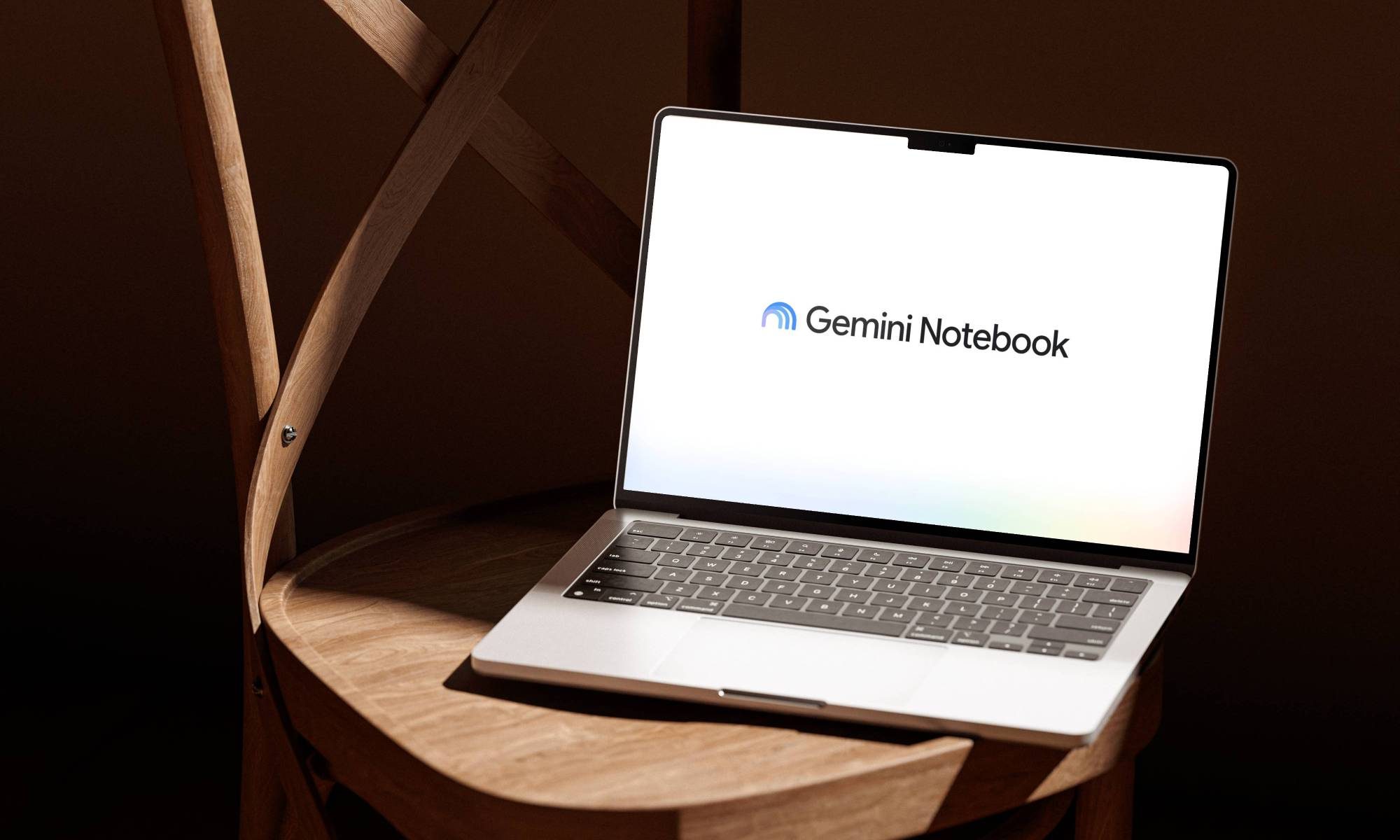
Gemini Notebook branding on a MacBook

Google has barely finished renaming NotebookLM, and it’s already addressing one of the headaches that comes with building a large research library.

Collections are rolling out to all Gemini Notebook users, giving them a way to group related notebooks while keeping everything visible under My Notebooks. The dashboard gets some structure without asking users to rearrange the library they’ve already built.

Read more