1. Home
  2. Computing
  3. Emerging Tech
  4. Mobile
  5. Legacy Archives

Google Editions to Go on Sale by June or July?

Add as a preferred source on Google
Image used with permission by copyright holder

Speaking at a Book Industry Study Group panel in New York, the Wall Street Journal reports Google Book Search’s manger for strategic partner development Chris Palma indicated Google intends to start selling digital books under the name “Google Editions” beginning in June or July of this year. Although Google has been working on launching its own ebook service for more than a year, the move will finally put it into direct competition with the likes of Apple, Sony, Barnes & Noble, and Amazon.com.

Google has been offering a large number of public domain titles to ebook readers for some time in the ePub format for free, and many ebook stores have made deals with Google to offer those titles in order substantially expand their selection. However, Google Editions will focus on offering current and catalog titles from major publishers. Palma’s statement is the first time Google has pinned a date to any of its retail bookselling plans.

Recommended Videos

Google has not offered any information on book pricing or which publishers will be participating in the program. Google will be touting the value of Google Editions to consumers as being ebooks that can easily be shared across a wide variety of devices, from dedicated ereaders and mobile devices to netbooks and PCs. For booksellers, Google plans to launch affiliate programs that will allow retailers, independent booksellers, and online businesses to offer Google Editions for sale via their own sites, keeping the majority of revenue from the sale.

Google Editions is a separate effort from Google’s efforts to digitize and offer for sale out-of-print books; Google’s actions have been challenged by a wide variety of publishers and rights holders, along with Internet giants like Yahoo and Microsoft and even the Justice Department—a U.S. District Court is expected to rule in the Google Books case soon. In the meantime, Google is facing a similar legal complaint from visual artists whose work may be subsumed in Google’s mammoth scan-and-sell initiative.


Geoff Duncan
Former Contributor
Geoff Duncan writes, programs, edits, plays music, and delights in making software misbehave. He's probably the only member…
Sega’s Virtua Fighter Crossroads is coming to Nvidia’s wild new RTX Spark PCs
Virtua Fighter Crossroads will help showcase gaming on Nvidia’s new RTX Spark platform
Computer Hardware, Electronics, Hardware

Nvidia’s new RTX Spark platform has landed one of its first major games. Sega has confirmed that Virtua Fighter Crossroads will run on RTX Spark-powered laptops and compact desktop PCs when the game arrives in 2027. More Sega titles are also heading to the platform, although neither company has named them yet.

The announcement also marks more than 30 years of collaboration between Nvidia and Sega, a relationship that began when Nvidia’s NV1 graphics chip helped bring the original Virtua Fighter to PC. Sega later helped keep the young chipmaker alive by turning a $5 million payment into an investment when Nvidia was close to running out of money.

Read more
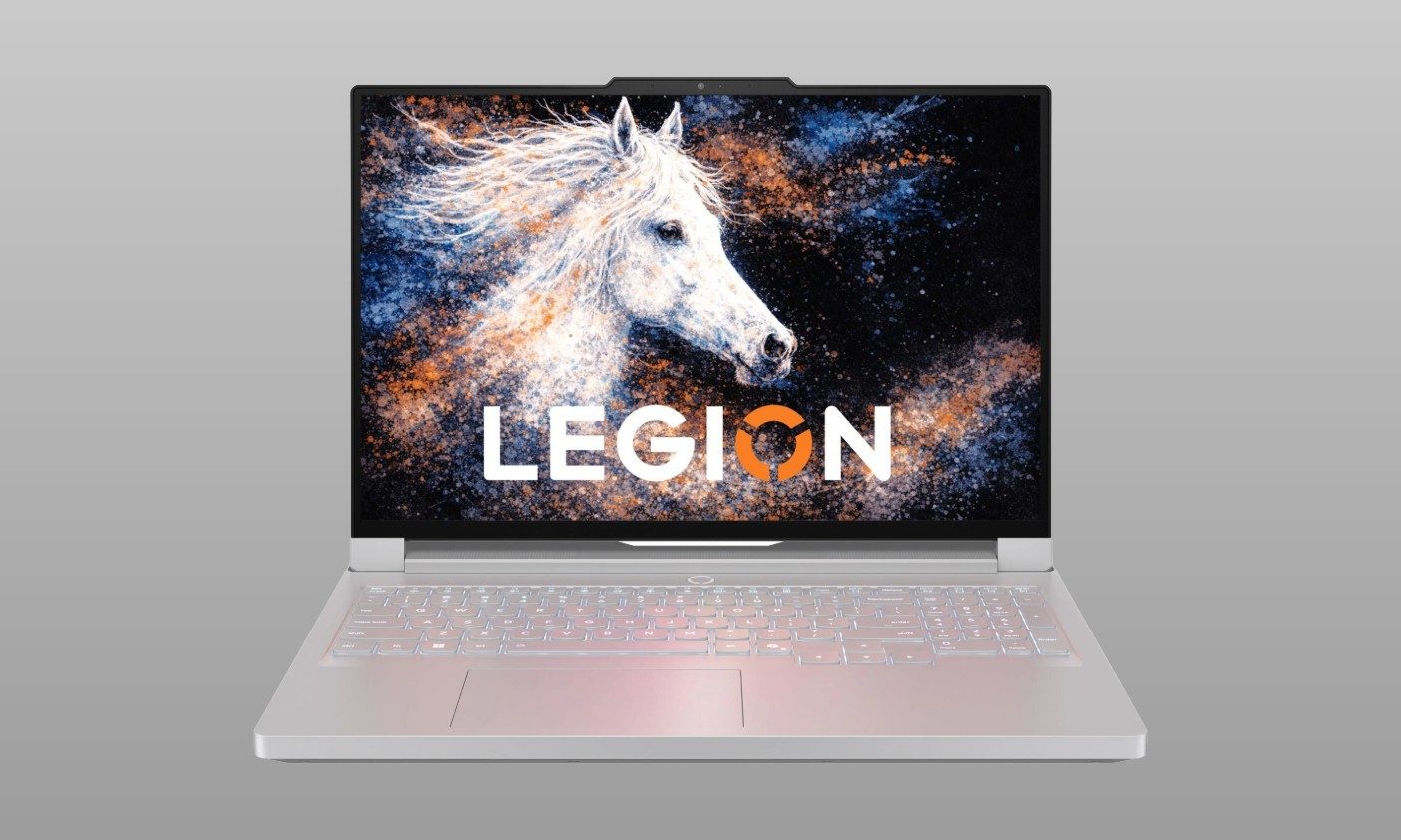
Lenovo’s new gaming laptop is the first to feature a 240Hz inkjet-printed OLED display
TCL’s inkjet-printed OLED technology finally reaches a commercial laptop through Lenovo
Computer, Electronics, Laptop

TCL has spent years saying inkjet-printed OLED could improve image quality, efficiency, lifespan, and manufacturing costs. Back in 2024, the company was still showing prototype laptop panels and promising a “comprehensive breakthrough” once the technology was ready for commercial products.

Two years later, it has finally arrived in a gaming laptop. Lenovo’s new Legion R9000P uses a 16-inch panel that TCL CSOT describes as the world’s first inkjet-printed OLED display integrated into a laptop.

Read more
This new Mac malware won’t let you use your computer until you surrender your password
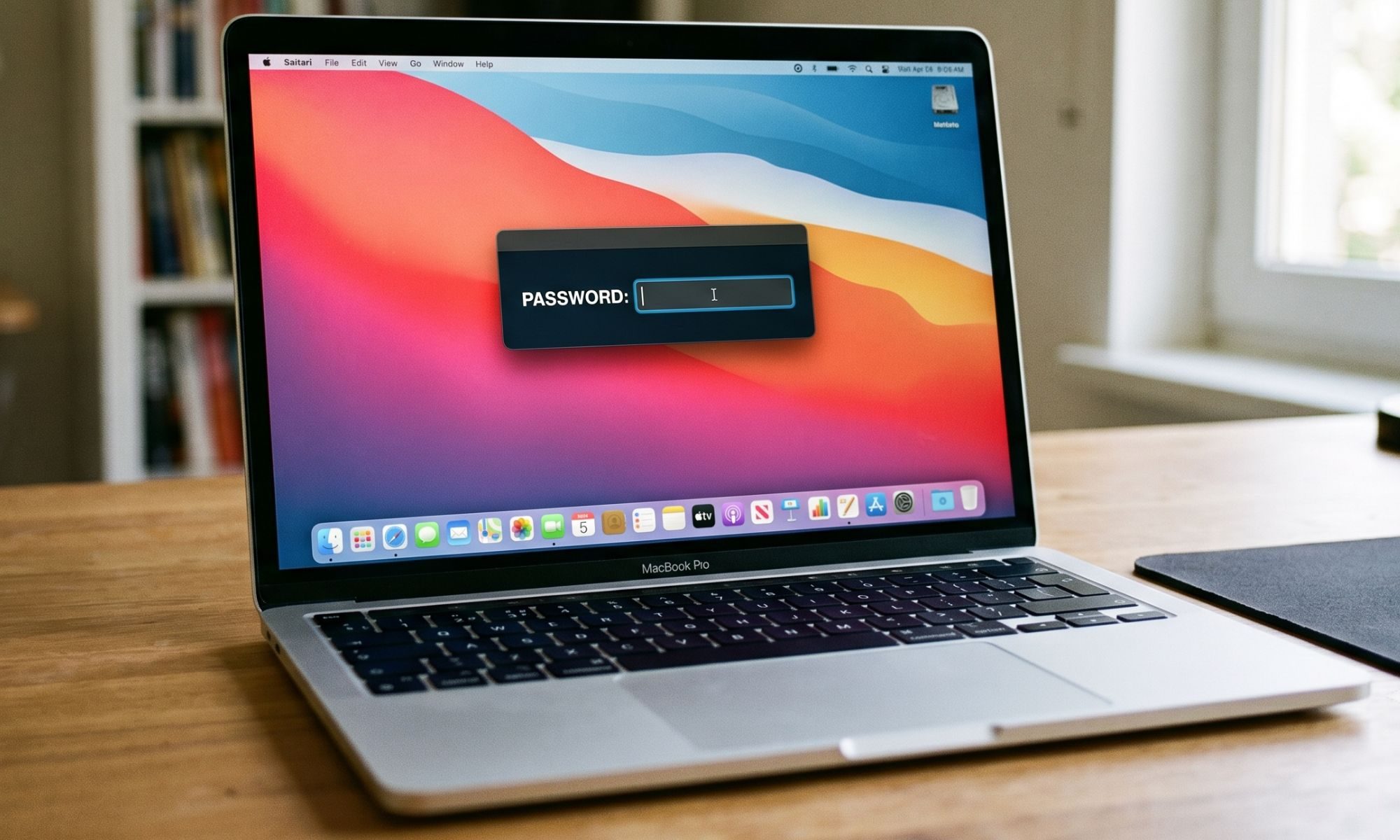
This Mac malware turns your own computer against you
AI Generated Image

A newly discovered strain of macOS malware is taking social engineering to an unsettling new level. Instead of exploiting a software vulnerability or silently stealing information in the background, it simply refuses to let you use your Mac until you type in your login password.

Dubbed ClickLock, the malware repeatedly shuts down key macOS processes, disables notifications, displays convincing Apple password prompts, and effectively traps users in a loop that only ends when the correct password is entered. Once that happens, it doesn't just steal the password. It goes after browser data, cryptocurrency wallets, saved credentials, password managers, and much more.

Read more