1. Home
  2. Computing
  3. News

Exanaview HoloLens app could be a game-changer for architects and designers

Add as a preferred source on Google

Microsoft’s HoloLens is a truly remarkable piece of tech, capable of everything from a giving a whistlestop tour of the world to improving a soldier’s field of view in the midst of combat. If you’re feeling confined by your current living arrangements, it can even give you the illusion of some extra space.

The developer of a project called Exanaview has published a video to YouTube demonstrating the capabilities of the 3D Spatial Authoring app. The tool allows users to modify their very surroundings and see the results reflected in real-time via the headset, according to a report from MS Power User.

Recommended Videos

The video shows the software being used to establish the position of a wall in a small apartment. From there, the wall becomes a virtual canvas for two simulated corridors, each of which has the illusion of depth, thanks to the capabilities of the HoloLens headset.

These two corridors are then combined into one virtual space that the user can view through a pair of closed doors that are physically present in the real-world version of the apartment. Even despite the fact that the virtual space is illustrated through flat, brightly colored slabs, it’s a thoroughly convincing effect.

It’s easy to see how this kind of utility could have practical applications for designers and architects. For these kinds of tasks, the ability to transform real-world surroundings into an easily manipulable sketch pad would no doubt be very helpful in terms of assessing the logistics of a particular design concept.

The Exanaview website illustrates various other features of the app, including the ability to insert detailed 3D models of their own creation into a space. While the software is currently being developed for HoloLens, its developer also plans to introduce support for hardware including Google Tango and Intel’s Project Alloy.

Brad Jones
Brad is an English-born writer currently splitting his time between Edinburgh and Pennsylvania. You can find him on Twitter…
South Korea wants to give every citizen free, unlimited access to its own AI chatbot
The government-backed service could turn generative AI into public infrastructure instead of another monthly subscription
Electronics, Mobile Phone, Phone

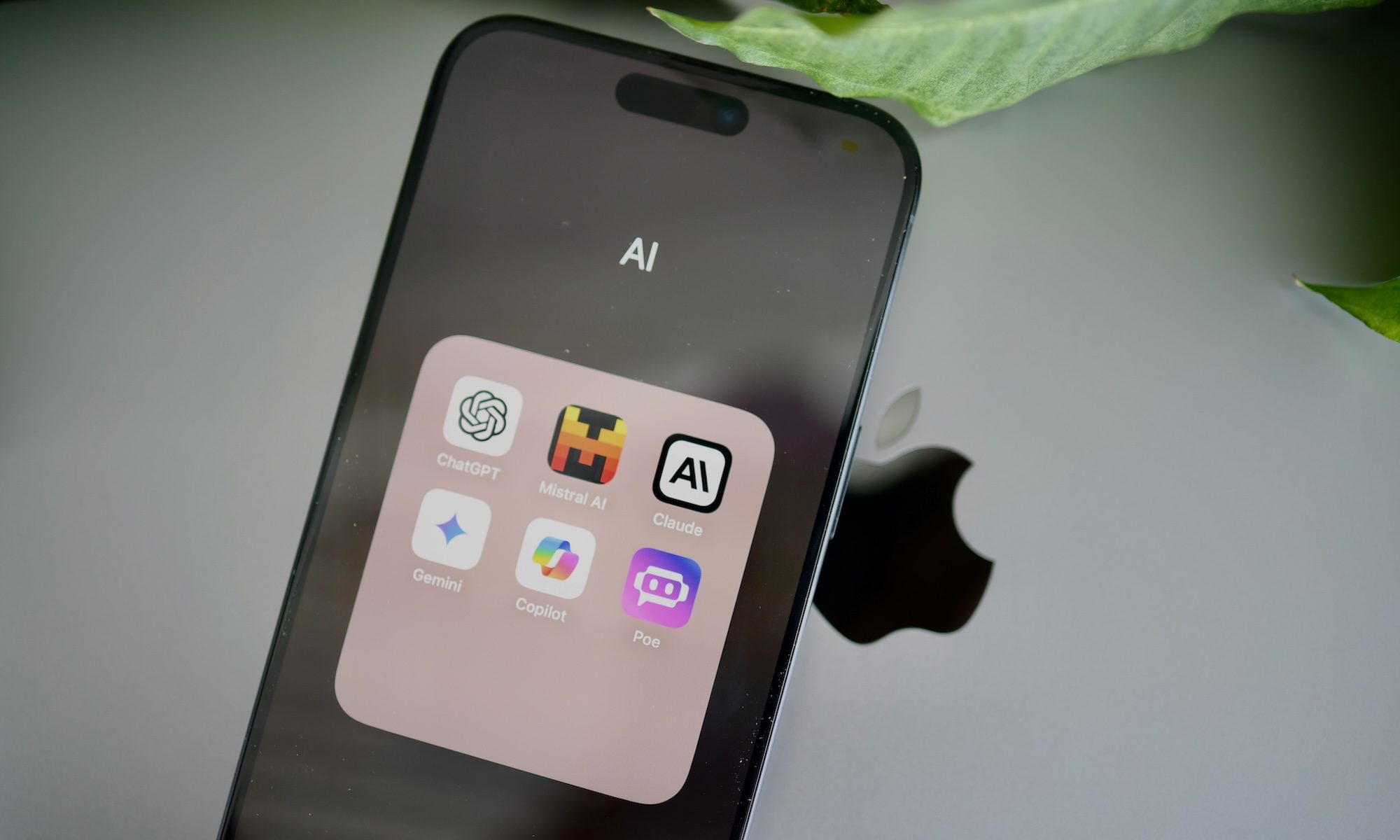
South Korea wants to give every citizen free access to an AI chatbot with no usage limits. That puts the technology closer to a public utility than another premium service demanding a monthly subscription.

The Ministry of Science and ICT announced the AI for Everyone project on July 13. Private companies will build the platform around locally developed models, while a separate AI agent will help people navigate government services. It’s a more practical job than generating emails or settling arguments nobody wanted to research themselves.

Read more
Falling in love with a chatbot is now off limits for kids in China
The crackdown targets emotional AI relationships as regulators worry about the country's record low birthrate.
Replika AI companion app on an iPhone in hand

Ever since AI chatbots arrived on the scene, there has been one aspect that has worried lawmakers and experts a lot: humans forming emotional connections with chatbots. There have been plenty of cases where over-reliance on these AI companions or partners has resulted in medical emergencies, lost lives, and triggered multiple lawsuits against the likes of OpenAI and Meta.

China cracks down on AI companion apps

Read more
Russian hackers keep finding their way into critical networks through neglected routers
A multinational warning says outdated firmware, weak passwords, and insecure settings are giving state-backed attackers an easy opening
A Wi-Fi router next to a laptop.

Russian state-backed hackers have spent more than a decade exploiting a stubborn weakness in critical infrastructure networks. Organizations are still leaving poorly configured and outdated routers exposed to the internet.

In a joint cybersecurity advisory, the NSA, CISA, FBI, and international partners warn that hackers linked to Center 16 of Russia’s Federal Security Service are continuing to target vulnerable networking equipment. Energy, healthcare, and government networks are among the sectors facing the highest risk.

Read more