  1. Home
  2. Computing
  3. News

Microsoft is giving Cortana a long-needed chat-based overhaul

Add as a preferred source on Google
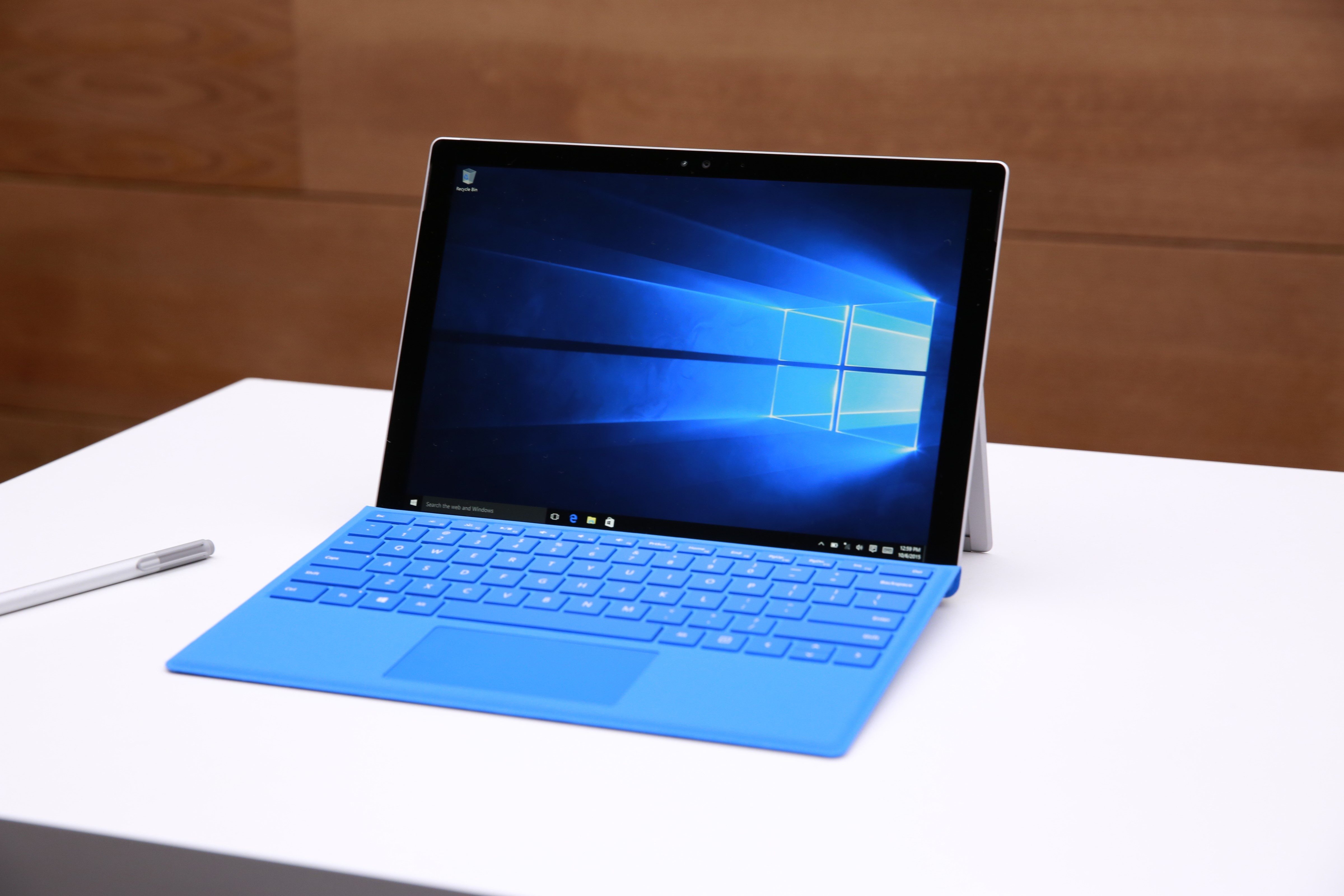
Windows 10 Surface Pro 4 stock photo
Mark Von Holden/AP Images for AP Images for Windows/Microsoft Image Gallery

Microsoft is bringing a major face-lift to its Cortana digital assistant on Windows 10. With the release of the Windows 10 20H1 update in early 2020, Cortana will come as a separate app and will feature a new chat-based UI and several other key changes.

New Cortana
The new Cortana Microsoft

As was long rumored, Fast Ring Windows Insiders beta testers running build 18945 — the early preview of the 20H1 update — can chat with Cortana using a keyboard or mouse, or as a separate app, and not with just voice. The new Cortana experience also still works with existing features like Bing Answers, Assistant conversations, and for creating reminders or alarms and timers.

Recommended Videos

In addition to the chat-based conversational features, Microsoft is adding in options for both a light theme and dark theme in the Cortana beta app. The overall user interface will feel less intrusive, will take on more rounded corners, and is built on efficient performance.

“We are beginning to roll out a new Cortana experience for Windows 10 as a beta to Windows Insiders in the U.S. This new experience features a brand-new chat-based UI that gives you the ability to type or speak natural-language queries,” said Microsoft.

Microsoft will continue to tweak this new Cortana app with various abilities. The Assistant has now been separated from the operating system as its own app and can be updated separately through the Microsoft Store.

“Not all the features from the previous Cortana experience are available just yet. As a Beta, we plan to add more features over time,” said Microsoft.

To experience this new Cortana, you can enroll a PC in the Fast Ring of the Windows Insider program to download build 18945. Be aware, this preview version of Windows 10 is unstable and is known for its bugs.

Alongside the new Cortana, the preview release also includes compatibility updates to Phone Screen with the Your Phone experience, as well as enhancements to the Windows Subsystem for Linux.

The Windows 10 20H1 update is set for release in early 2020 and is rumored to bring other user interface enhancements to the file explorer. It is not to be confused with the 19H2 update, set for release later this year, which is more focused on addressing bugs and security issues within Windows 10.

Arif Bacchus
Arif Bacchus is a native New Yorker and a fan of all things technology. Arif works as a freelance writer at Digital Trends…
Google finally lets you turn any website into an app on Googlebook
Google heard your complaints, and now every website can be an app on your Googlebook.
Using the HP Googlebook

Googlebook users, rejoice. Google is rolling out a Chrome update that turns any website into a web app, and you have the community to thank for it.

When Googlebook first arrived, Chrome was picky about which sites you could install. Only websites that developers had set up as web apps got the Install option. Everything else ended up as a shortcut that simply launched a browser tab.

Read more
DigUp lets users find Mac files by describing them, not remembering their names
Can't remember where that screenshot, PDF or recording went? Just describe it and let AI do the digging.
DigUp App in Use screenshot

There's a particular kind of frustration that comes with knowing a file exists somewhere on a computer but having absolutely no idea what it's called. Was that screenshot saved as IMG_4837? Which PDF contained that clause? And where did that podcast recording mention the thing worth remembering? DigUp wants to end the filename guessing game, letting Mac users search for files by describing what they remember instead. The free, open-source app uses Google's EmbeddingGemma 2 to search across photos, documents, PDFs, audio recordings and videos, all without sending personal files to the cloud.

DigUp turns everyday descriptions into file searches

Read more
A new AI detector looks beyond words to check whether the ideas came from AI
This could help journals distinguish AI-written research from human work polished with AI.
ai-writing-book

Most AI detectors look for telltale signs of AI-generated text by examining word and sentence patterns. A new tool called IdeaLens takes a different route to solving this problem. It spots AI-generated research by looking at the ideas behind it instead of the wording itself (via TechXplore).

Researchers from the University of Maryland, Google DeepMind, and Simon Fraser University built IdeaLens to check whether a document's core arguments came from a human or a machine, regardless of who wrote the final draft.

Read more