1. Home
  2. Computing
  3. Gaming
  4. News

Windows 10 may be free, but its version of Solitaire isn’t free of ads

Add as a preferred source on Google

Video games have always been about turning a profit, even back when developers were looking for ways to make new challenges difficult enough to ensure arcade patrons would part with their quarters. However, the ways and means that companies will employ to make their money have never come under closer scrutiny than today.

Whether it’s the value of post-release downloadable content or the much-maligned blight of free-to-play mechanics, video game pricing is a hotly debated issue. Today, there’s new proof that these practices are spreading to every corner of the industry, as even Solitaire is being monetized.

Recommended Videos

Upon opening the new version of the Microsoft Solitaire Collection that’s bundled in with Windows 10, users will be greeted with an ad that prompts them to upgrade to the premium edition of the game — at a cost of $1.49 per month, or $9.99 for an annual subscription, according to a report from Business Insider. While longtime players may complain online, offices around the country will be anticipating an uptick in productivity.

There are two main caveats to the fees being bandied around. First off, a subscription pays for optional features, so you’ll still be able to enjoy a basic game of Solitaire without putting any money down. Second, similar pricing has been in place since Windows 8 — although Solitaire wasn’t pre-installed on that version of the OS.

The biggest takeaway here is that Microsoft knows that users have become used to piecemeal pricing in the past few years, largely thanks to similar strategies in place on mobile app stores. In today’s gaming marketplace, this is where the money is, and it’s really not that different to shareware releases back in the 1990s.

This move may not seem like such a big deal, but it certainly shows how different the world of tech is to that of 25 years ago. You may have had to pay for the OS when Windows 3.0 released in 1990 — but at least Solitaire was free.

Brad Jones
Brad is an English-born writer currently splitting his time between Edinburgh and Pennsylvania. You can find him on Twitter…
ChatGPT will now remind teens to take breaks and give parents more controls
New parental controls include Quiet Hours, Study Mode defaults, and alerts for serious account violations.
chatgpt-teen-safety-features

OpenAI wants to make ChatGPT safer for teens, and the changes go well beyond a simple content filter. In a new update, the company laid out its stance on why teens should have access to AI in the first place, arguing that keeping them away from it entirely would leave them unprepared for one of the defining technologies of their generation.

Nearly 90% of teens already use ChatGPT weekly for learning, research, or getting organized, which is why OpenAI says access needs to come paired with real protections built for their age.

Read more
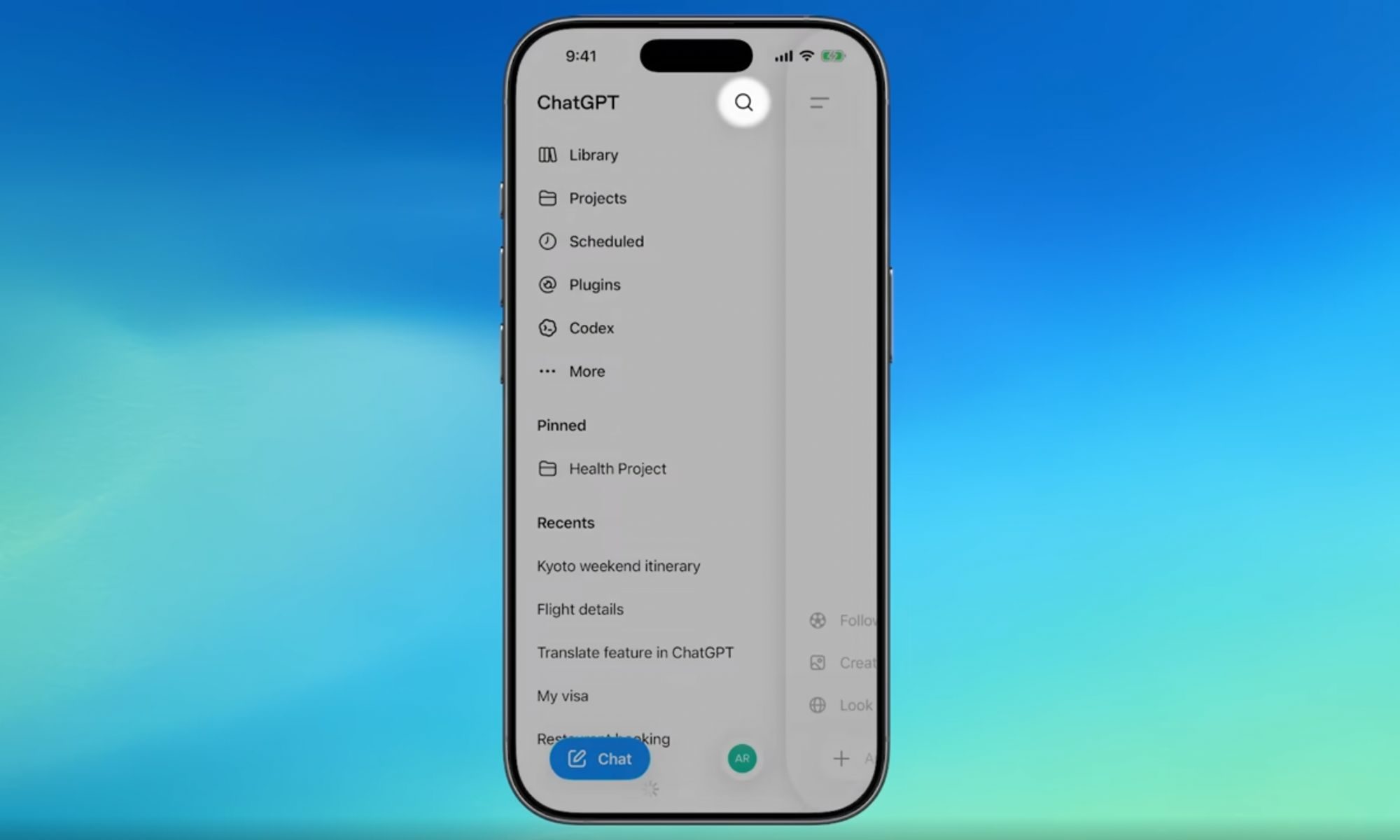
ChatGPT’s new search tool saves you from digging through old chats, files, and images
You can also filter ChatGPT search results by content type.
chatgpt-new-search

If you have ever lost a great ChatGPT answer somewhere in your endless chat history, that headache is finally over. OpenAI has rolled out a major search upgrade that lets you find old chats, projects, documents, and images all from one place.

Before this update, the sidebar search only pulled up past conversations, leaving uploaded files, projects, and generated images completely out of reach. The new search option is now available across web, iOS, and Android, on every ChatGPT plan, including free accounts.

Read more
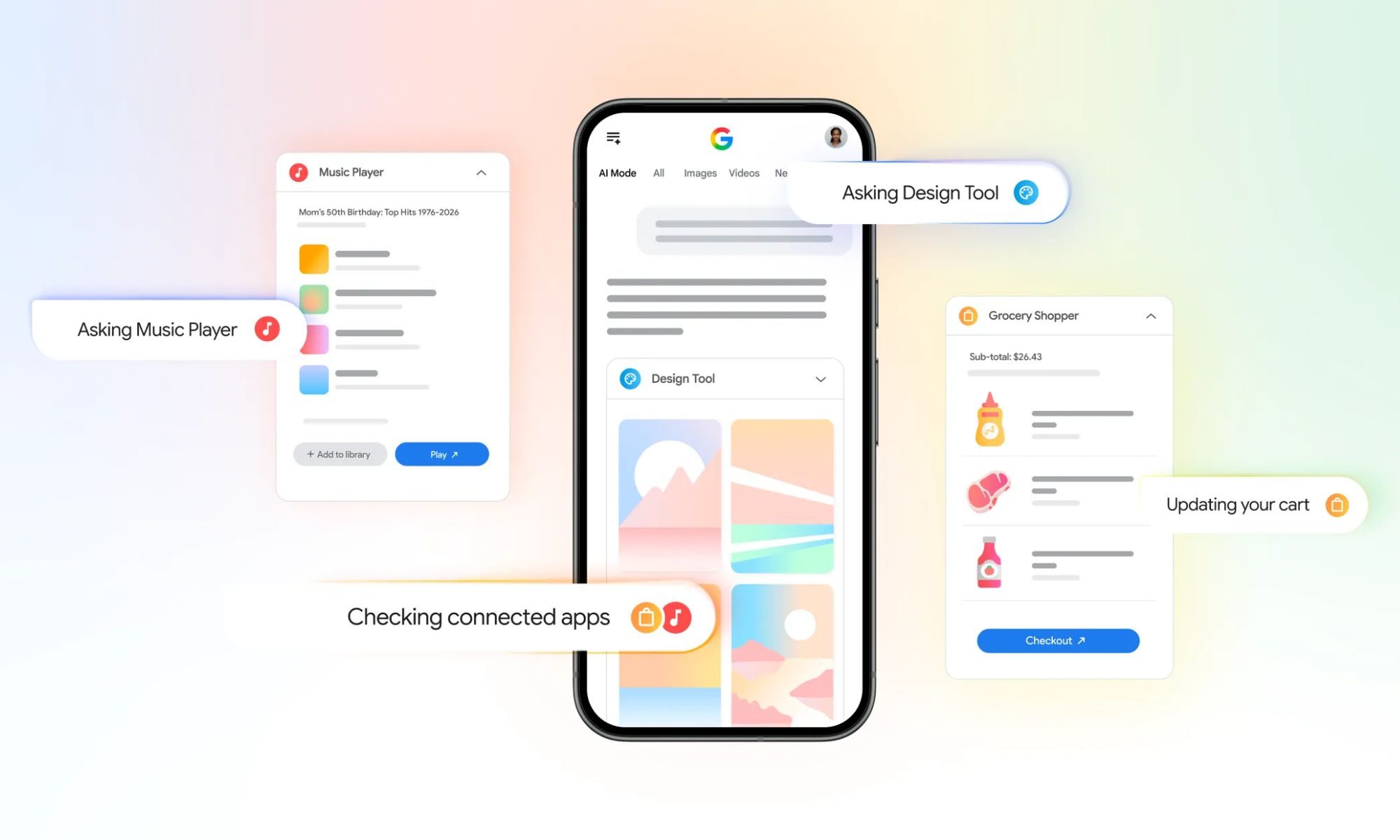
You can now link your favorite apps to AI Mode in Google Search to get things done
AI Mode now works with Instacart, Canva, and YouTube Music inside Search.
google-search-ai-mode-connect-apps

Google is making AI Mode in Search more useful by letting you connect third-party apps. Starting this week in the US, you can securely connect some of your go-to apps directly to AI Mode, letting Search actually complete tasks for you instead of just answering questions.

This update builds on a similar trick Google already pulled off inside the Gemini app, and now it is landing in Search itself. The initial rollout includes three launch partners, Instacart, Canva, and YouTube Music, with Google saying more app integrations are on the way.

Read more