1. Home
  2. Computing
  3. Emerging Tech
  4. News

Star Trek enthusiast docks Wi-Fi router into model of the original Enterprise

Add as a preferred source on Google

Wi-Fi routers are inexpensive, reliable and have become incredibly quick, but they’re not stylish or unique. Most models are simple boxes that, at best, blend into their surroundings.

That’s fine for most people, but if you want a router like no man has had before, you’ll have to put in the extra effort and build it yourself. That’s exactly what Roland Schwab did when he built a router into a classic Revell model of the Enterprise NCC-1701 from the original Star Trek series.

Recommended Videos

Not just any Wi-Fi router was used. Instead Mr. Schwab picked a particular router, the UniFi AP Pro. Why? The reason is simple; it is shaped like a disc, and it happens to be about the same size as the saucer section of Revell’s Enterprise model kit.

This provided plenty of room to install the router hardware, and there was even space left over to curl an Ethernet cord around the interior. It appears the cord was then routed through the interior of the ship and out the stand, making it possible to hide the cord almost entirely. As an added bonus, a bright white LED on the router lights up the bridge of the model when the router is in use.

The model used by the mod, the UniFi AP Pro, isn’t inexpensive, as it retails for $230. It’s an enterprise-grade router (no pun intended!) with 802.11a/b/g/n MIMO support. UniFi also offers consumer models of the router that sell for as little as $70, and presumably the less expensive version would fit into the model kit just as easily.

You can buy the model used for the mod from Amazon for about $45, so if you don’t mind slightly slower Wi-Fi speeds, you could put together this router for about $100 (not including the cost of glue and an Ethernet cord). I have a hard time thinking of a better weekend project.


Matthew S. Smith
Matthew S. Smith is the former Lead Editor, Reviews at Digital Trends. He previously guided the Products Team, which dives…
Apple’s 2026 Back to School promo saves you up to $150 on a new Mac or iPad
The exact amount depends on which device you buy, but the offer doesn't apply to all Mac and iPad models.
Apple Back to School 2026 featured

Apple has kicked off its 2026 Back to School promotion, and this year's offer swaps out the free accessory bundle from last year with gift cards. Eligible buyers who purchase a MacBook Pro get a $150 gift card, while a MacBook Air, iPad Pro, or iPad Air earns a $100 gift card. The promotion runs through August 27 in the US, with international versions rolling out on different timelines and, in some regions, different rewards entirely.

Not every device is eligible

Read more
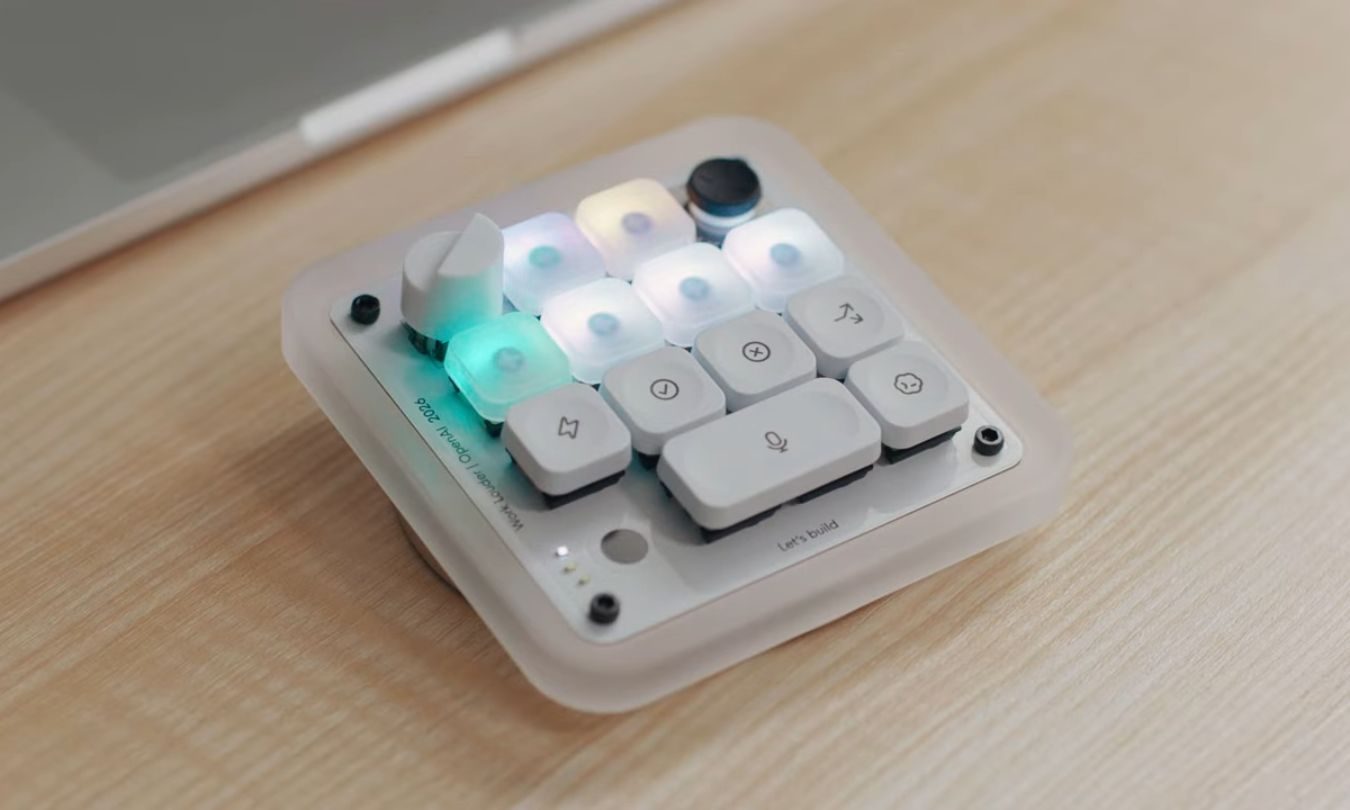
OpenAI made a tiny $230 keyboard that lets you turn up an AI’s brainpower
The Codex Micro puts reasoning settings, agent status lights, and programmable AI shortcuts directly on your desk
Electronics, Phone, Mobile Phone

OpenAI has made a $230 mini keyboard that lets Codex users adjust how hard its AI thinks with a physical dial. The Codex Micro also provides dedicated buttons for launching workflows and checking on active agents without bouncing between chats.

Developed with keyboard maker Work Louder, the compact Mac and Windows accessory connects over Bluetooth or USB-C. OpenAI’s store currently lists it as out of stock, although the company says more units are coming.

Read more
Google rejects alarming report that says its Search AI tools are unsafe for kids
The company says it couldn’t reproduce many of the responses cited and argues that the testing doesn’t reliably measure product safety
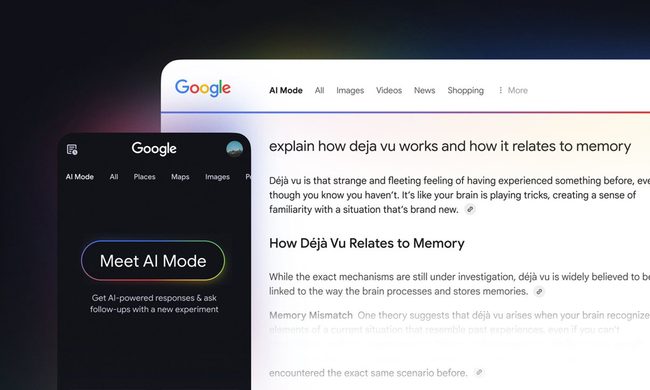
Google AI Mode on mobile and desktop

Google has rejected a new report that labels its AI-powered Search features an “unacceptable risk” for children and teenagers.

Common Sense Media’s Youth AI Safety Institute gave AI Overviews and AI Mode its lowest overall rating. The two tools performed poorly against seven of the institute’s eight AI safety principles and failed every category involving potentially severe harm. Google says those findings came from searches that don’t resemble how people normally use its products.

Read more