
  1. Home
  2. Computing
  3. Legacy Archives

Variety Trade Newspaper to Charge for Online Site

Add as a preferred source on Google

variety2Ending a three-year flirtation with free online content, Variety newspaper plans to put some of its Web site content behind a “pay wall” that will require a paid annual subscription, its publisher said Thursday.

The changes at the Hollywood trade publication will take place early next year and come with new online features such as a better archive, publisher Brian Gott said.

Recommended Videos

While there might be some reduction in the number of Web site visitors, currently about 2.5 million per month, the switch will help preserve paying subscribers even if readers eventually switch to reading online only, he said.

“It’s getting ahead of something that inevitably will happen and creating a business strategy around maintaining the viability of being a paid product,” Gott said.

Many news publications are taking another look at charging for online access as revenue from Internet ads fails to offset losses from print ads and subscriptions.

Subscriptions to Variety, a unit of London and Amsterdam-based Reed Elsevier Group PLC, are currently $329 a year for either the daily or the weekly print edition, or a digital, PDF version that looks just like one for print. The daily print edition gets about 26,000 paying subscribers, and the weekly version another 31,000, according to the Audit Bureau of Circulations.

The Web site was almost entirely reserved for paid subscribers until October 2006, when it lifted that restriction to boost traffic. How much of the new site will be reserved for paying customers has yet to be finalized.

While the newspaper still makes more revenue from advertising than it does from paid subscriptions, the marginal benefit from driving more traffic to its Web site was small, Gott said.

“The more traffic you get, the lower (rates) an ad buyer can demand and it’s diminishing returns,” he said.

Dena Cassella
Former Digital Trends Contributor
Haole built. O'ahu grown
South Korea wants to give every citizen free, unlimited access to its own AI chatbot
The government-backed service could turn generative AI into public infrastructure instead of another monthly subscription
Electronics, Mobile Phone, Phone

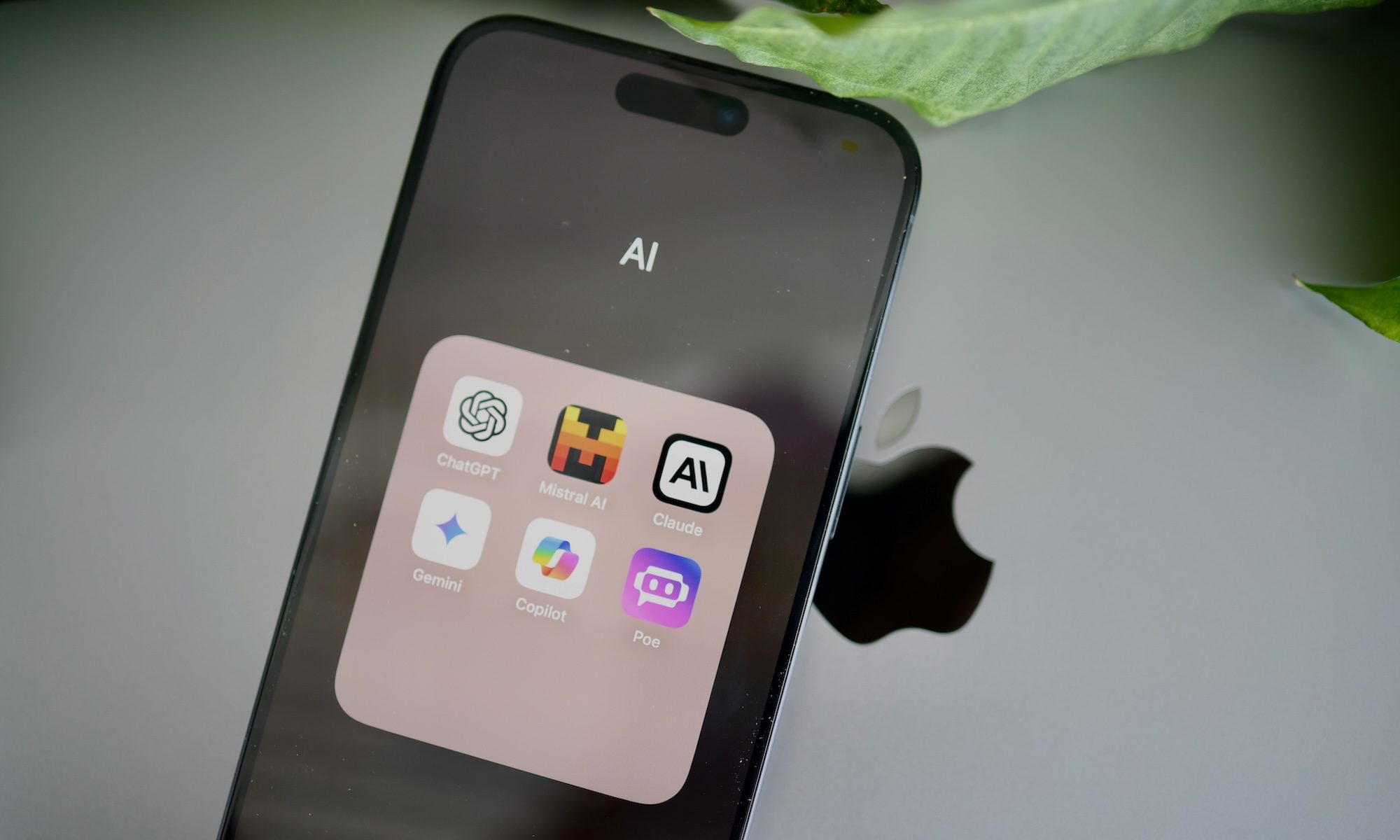
South Korea wants to give every citizen free access to an AI chatbot with no usage limits. That puts the technology closer to a public utility than another premium service demanding a monthly subscription.

The Ministry of Science and ICT announced the AI for Everyone project on July 13. Private companies will build the platform around locally developed models, while a separate AI agent will help people navigate government services. It’s a more practical job than generating emails or settling arguments nobody wanted to research themselves.

Read more
Falling in love with a chatbot is now off limits for kids in China
The crackdown targets emotional AI relationships as regulators worry about the country's record low birthrate.
Replika AI companion app on an iPhone in hand

Ever since AI chatbots arrived on the scene, there has been one aspect that has worried lawmakers and experts a lot: humans forming emotional connections with chatbots. There have been plenty of cases where over-reliance on these AI companions or partners has resulted in medical emergencies, lost lives, and triggered multiple lawsuits against the likes of OpenAI and Meta.

China cracks down on AI companion apps

Read more
Russian hackers keep finding their way into critical networks through neglected routers
A multinational warning says outdated firmware, weak passwords, and insecure settings are giving state-backed attackers an easy opening
A Wi-Fi router next to a laptop.

Russian state-backed hackers have spent more than a decade exploiting a stubborn weakness in critical infrastructure networks. Organizations are still leaving poorly configured and outdated routers exposed to the internet.

In a joint cybersecurity advisory, the NSA, CISA, FBI, and international partners warn that hackers linked to Center 16 of Russia’s Federal Security Service are continuing to target vulnerable networking equipment. Energy, healthcare, and government networks are among the sectors facing the highest risk.

Read more