1. Home
  2. Emerging Tech
  3. News

Scientists have developed a new atom-based ID system that’s nearly impossible to cheat

Despite all the recent innovations in security, there are still ways for even the most secure authentication methods to be compromised. Signatures can be forged, passwords can be cracked, and even fingerprints can be faked. But not to worry — Researchers at Lancaster University in the North West of England have a solution to that problem, and its based on the most basic element of matter: the atom.

Ph.D student Jonathan Roberts says the technology works by creating authentication schemes based on atomic-scale imperfections in nano-scale structures, which they call Quantum ID, or Q-ID for short. He says each nanostructure they’ve created has a unique identity and is nearly impossible to copy or clone.

Recommended Videos

The computing power required to simulate –and thus duplicate– these small structures at this moment is incredibly vast, and therefore cannot be done quickly. A hacker would essentially need to deconstruct the nanostructure atom by atom, which (at least at this point) would take an impossibly long amount of time.

“One could imagine our devices being used to identify a broad range of products, whether it is authentication of branded goods, SIM cards, important manufacturing components, the possibilities are endless,” research lead Dr. Robert Young says.

Young and others say that the process to produce these Q-ID structures can be easily integrated into current chip manufacturing processes. This means adoption of the new authentication technology could be quick depending on how well it’s marketed.

The research group is seeking a patent for its efforts and plans to offer it commercially through a university-backed spinoff company called Quantum Base. The company is already offering licensing for Q-ID through its website, although there were no announcements on any early adopters of the technology.

If you’re interested in learning more about Q-ID, the study itself is available for free and in full from the Nature website.

Ed Oswald
For fifteen years, Ed has written about the latest and greatest in gadgets and technology trends. At Digital Trends, he's…
Too lazy to shower? This human washing machine can clean your body in 15 minutes
Everyday bathing with a spa-like experience inside a futuristic pod
human-washing-machine

What’s happened? If you have ever wished your shower could do the hard work for you, a company from Japan has finally delivered the gadget of your dreams. A new human washing machine, now officially on sale, promises a full-body wash while you basically lie there and let the machine pamper you.

A hands-free wash cycle that cleans and rinses you automatically in 15 minutes.

Read more
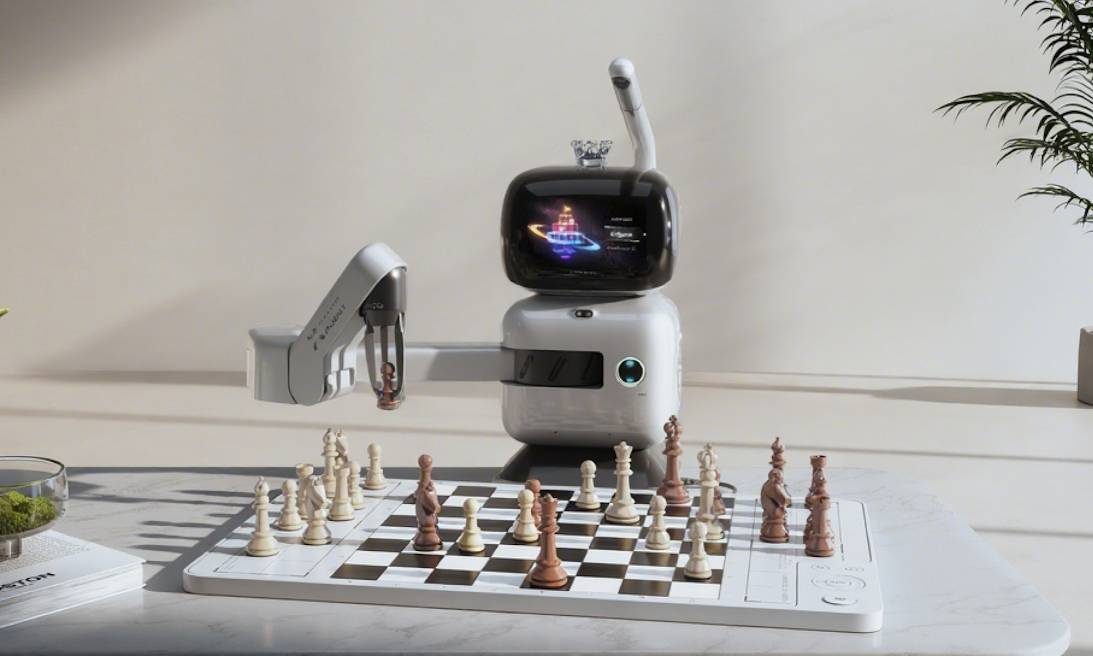
Save on the SenseRobot Chess — the AI chess master everyone wants
SenseRobot Chess

This post is brought to you in paid partnership with SenseRobot

The holidays are almost upon us, and one deal is standing out for tech enthusiasts, chess lovers, and shoppers. The SenseRobot Chess, the world’s first mass-produced AI chess robot arm designed for home use, is now available at its Christmas holiday special price of $699.98, with an additional $35 off at Amazon when using the code CHESS2025. This limited-time 26% off offer brings intelligent robotics and interactive learning within reach.

Read more
Google’s virtual try-on app now helps you discover and shop outfits tailored to you
Doppl just made it easier to discover, try, and buy your next favorite look.
Illustration showcasing Doppl's new shoppable discovery feed.

Google introduced a virtual try-on app called Doppl earlier this year that uses AI to help users visualize how different outfits look on them. The company has now added a shoppable discovery feed to the app that offers outfit recommendations with direct links to merchants.

In a recent blog post, Google said that the idea behind this new feed is to help users "discover new favorites," try them on a virtual avatar of themselves, and purchase them right within Doppl. This discovery feed works like a personalized style stream, surfacing outfit recommendations based on user-specified preferences and past interactions.

Read more