  1. Home
  2. Emerging Tech
  3. Cars
  4. News

Boeing enters the autonomous flying taxi race with first successful test flight

Add as a preferred source on Google
Boeing

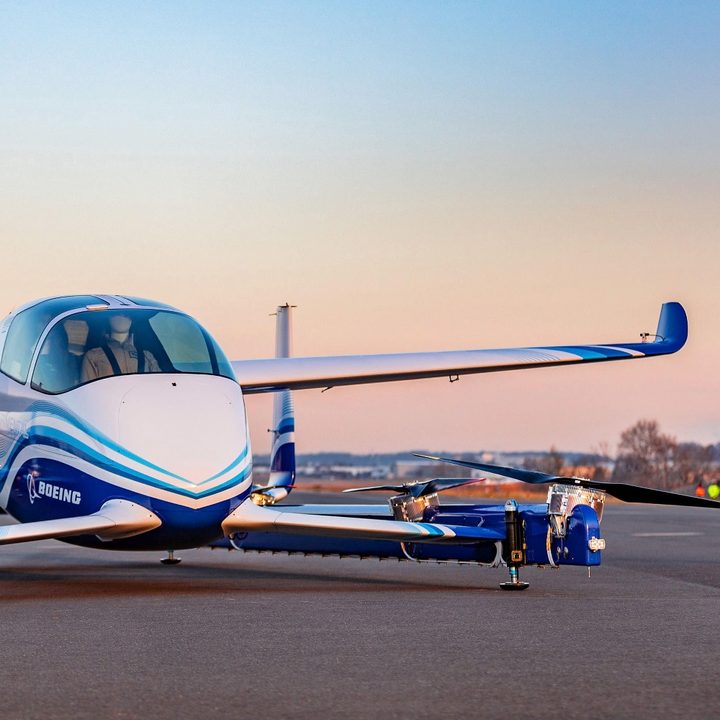
There are plenty of startups trying to launch their own flying taxi projects, but now that the concept has been proven, the big boys and girls are getting ready to make their move. One of them, multinational aerospace giant Boeing, has just completed the first test flight for its very own vertical takeoff and landing (VTOL) electric air taxi. The test “flight” took place this week at an airport just outside the nation’s capital. No one was aboard for the test, which lasted less than a minute and involved the air taxi hovering at an unspecified height over the runway.

Long term, the plan is for Boeing’s vehicles to be able to transport passengers a maximum of 50 miles at a time. Clearly, there’s a ways to go before we reach that point and can catch a Boeing flying taxi to the office. Nonetheless, this demonstration is certainly a step — or, at least, a stationary hover — in the right direction.

Recommended Videos

“In one year, we have progressed from a conceptual design to a flying prototype,” said Greg Hyslop, Boeing’s chief technology officer, in a statement. “Boeing’s expertise and innovation have been critical in developing aviation as the world’s safest and most efficient form of transportation, and we will continue to lead with a safe, innovative, and responsible approach to new mobility solutions.”

Boeing hasn’t yet given a name to its latest flying vehicle, which it refers to as a passenger air vehicle. Unlike Boeing planes, there will be no pilot for the flying taxi. Instead, flights will be piloted autonomously, similar to a number of other similar projects. Boeing hasn’t revealed how many passengers the 30-foot-long craft will be able to transport at one time, but it’s likely to be a maximum of one or two. Boeing is also reportedly working on a larger vehicle capable of transporting a maximum cargo of 500 pounds.

As noted, Boeing is far from the only company working in this area. Other big names, including Aston Martin, Rolls-Royce and Uber, along with the Kitty Hawk Flyer project backed by Google co-founder Larry Page, are all competing to become the leader in this exciting new field. Boeing may be slightly late to the party, but its deep pockets and experienced Research and Development division could absolutely make up for it.

Luke Dormehl
I'm a UK-based tech writer covering Cool Tech at Digital Trends. I've also written for Fast Company, Wired, the Guardian…
You can now buy a computer mouse controlled entirely by your tongue
Augmental has opened public sales of the MouthPad, and introduced a new wearable that lets you type hands-free.
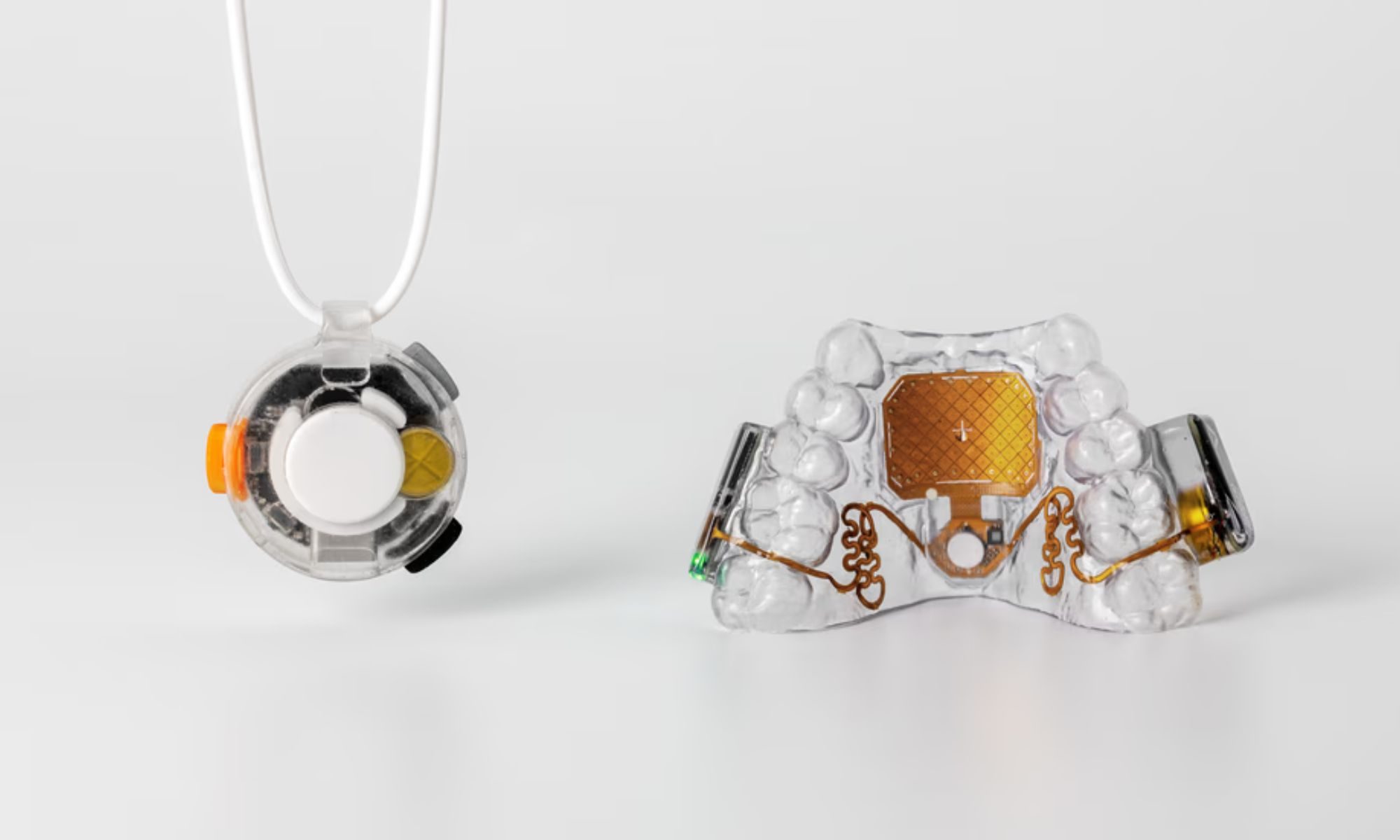
Augmental MouthPad and Vox featured

Augmental first showed off its tongue-controlled MouthPad as a CES curiosity in 2024. Today, the device is a real product you can buy, with the company opening public US sales alongside a beta release of Vox, a companion wearable built to handle the typing half of Augmental's hands-free computing promise.

A retainer that doubles as a mouse

Read more
Yet another study says AI is bad for elections, and the rabbit hole gets worse
AI may be an election bomb waiting for someone to light the fuse
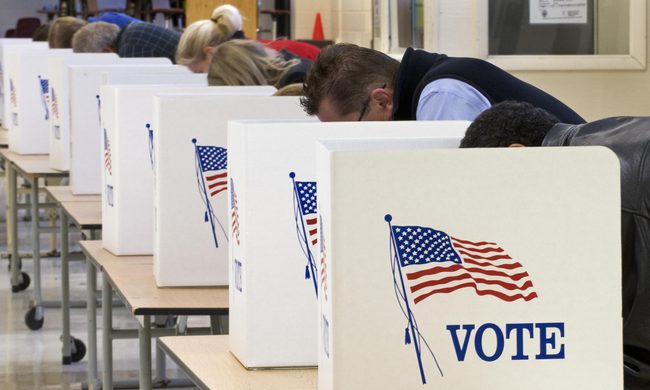
Voters cast their ballots on Election Day

Another election, another study has concluded that asking an AI chatbot for political guidance is a spectacularly bad idea. Research conducted during Hungary’s 2026 parliamentary election found that ChatGPT and Google Gemini offered not just inaccurate but also inconsistent and unreliable voting advice. The chatbots misclassified voter profiles, overlooked relevant parties, recommended parties absent from the ballot, and sometimes produced materially different answers when given the same information repeatedly.

AI keeps failing the voter test

Read more
Samsung’s humanoid robot ambitions are real, but factories come first
Samsung’s new robotics division has humanoids in its sights, although its immediate business is far more practical factory automation
Robot Touch Human Finger

Samsung wants a place in the humanoid race, but its new robotics push begins with machines built for factories rather than homes.

The CEO-led RX robotics division will initially focus on manufacturing robots. Samsung has separately identified humanoids as a priority, although it hasn’t announced a commercial model or explained where one fits into the division’s immediate plans.

Read more