1. Home
  2. Emerging Tech
  3. Social Media
  4. News

Facebook’s upcoming Texas data center will be powered almost entirely by wind

Add as a preferred source on Google

Facebook has been opening advanced data centers across the U.S. quite for some time now, so it should come as no surprise that the company has just announced plans to build a new one in Fort Worth, Texas. What is surprising, however, is that this new center will be drastically more eco-friendly than its predecessors. The Fort Worth facility will run almost entirely on wind energy.

“We expect Fort Worth to be one of the most advanced, efficient, and sustainable data centers in the world,” Facebook representatives said in a news release. “Our continuing work on data center design is an important part of our overall infrastructure efficiency efforts, which have helped us save more than $2 billion in infrastructure costs over the last three years.”

Recommended Videos

Facebook has already erected energy-efficient data centers in Altoona, IA, Prineville, OR, Forest City, NC and even one in Sweden — but the Texas center will be the one responsible for handling the Facebook apps and services you deal with on day-to-day basis, and will also help connect billions of people to the Internet through Internet.org.

Furthermore, Facebook is sharing its data center designs with the public via the Open Compute Project, which consists of 200 members and thousands of participants who can all have a hand in developing future sustainable data centers.

It’s worth mentioning, however, that Facebook is not the first company to build sustainable data centers. Earlier this year, Apple purchased over $800 million in solar panels to power some of its data centers and other buildings, and let’s not forget that Google and Microsoft also have their fair share of renewable data centers speckled across the country.

This isn’t exactly a new trend, but it’s definitely one that we’d like to see continue. If big companies can save money and save the planet at the same time, everybody wins.

Nicolette Emmino
Former Digital Trends Contributor
Nicolette is a technology writer, but wishes the days of paperback books and print newspapers were still thriving. She’s a…
Yet another study says AI is bad for elections, and the rabbit hole gets worse
AI may be an election bomb waiting for someone to light the fuse
Voters cast their ballots on Election Day

Another election, another study has concluded that asking an AI chatbot for political guidance is a spectacularly bad idea. Research conducted during Hungary’s 2026 parliamentary election found that ChatGPT and Google Gemini offered not just inaccurate but also inconsistent and unreliable voting advice. The chatbots misclassified voter profiles, overlooked relevant parties, recommended parties absent from the ballot, and sometimes produced materially different answers when given the same information repeatedly.

AI keeps failing the voter test

Read more
Samsung’s humanoid robot ambitions are real, but factories come first
Samsung’s new robotics division has humanoids in its sights, although its immediate business is far more practical factory automation
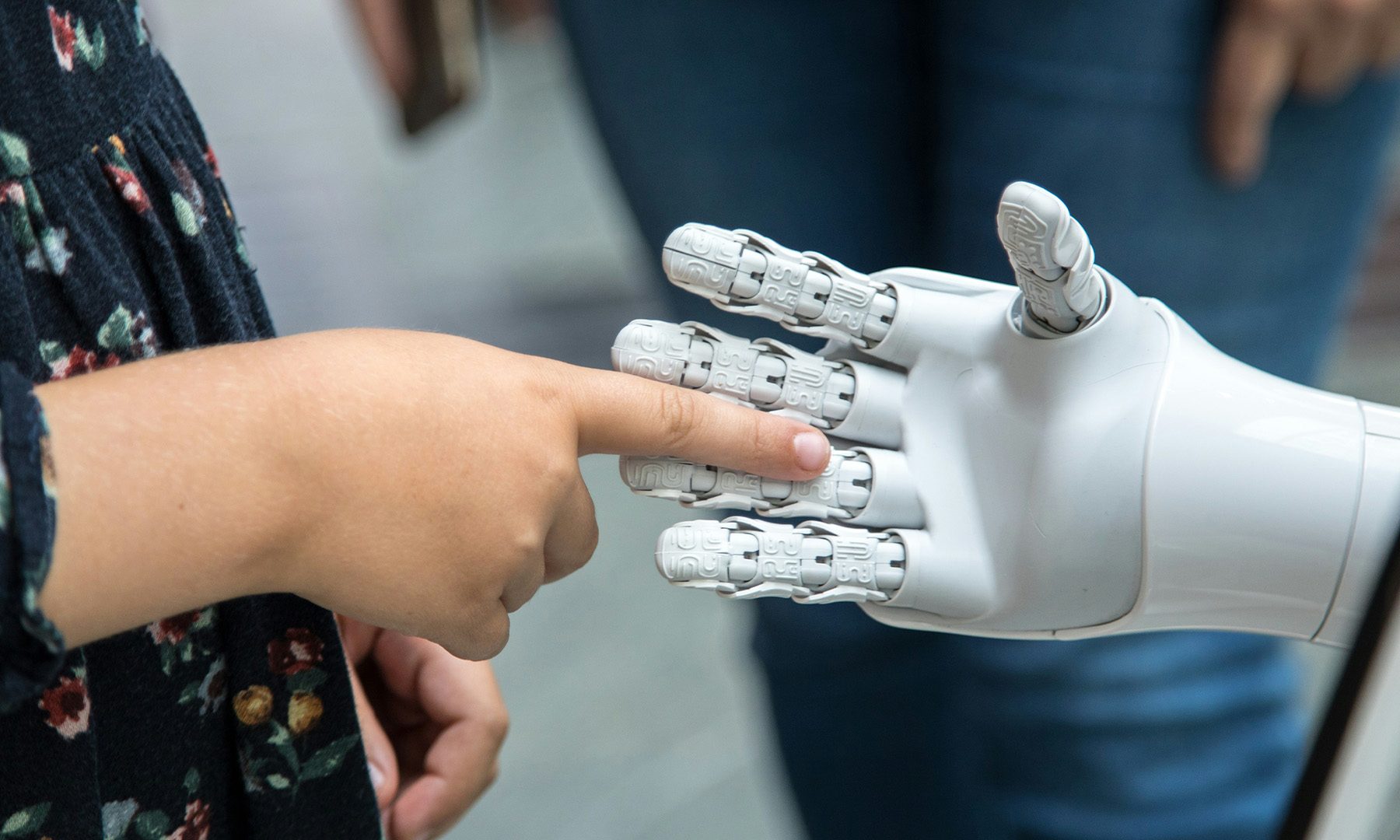
Robot Touch Human Finger

Samsung wants a place in the humanoid race, but its new robotics push begins with machines built for factories rather than homes.

The CEO-led RX robotics division will initially focus on manufacturing robots. Samsung has separately identified humanoids as a priority, although it hasn’t announced a commercial model or explained where one fits into the division’s immediate plans.

Read more
The future of AI may depend on this one behind-the-scenes change
Running Claude on Android.

Whenever a new AI model arrives, it's easy to get caught up in the bells and whistles. We talk about how much smarter it is, how quickly it answers questions, or how realistic its images have become. But here's the thing: none of that matters much if the AI can't reliably work with the apps and services people use every day.

That's why an upcoming update to the Model Context Protocol (MCP) caught my attention. It isn't a new chatbot or a fancy AI model. In fact, most people will never even know it's happening. But it could quietly make the AI ecosystem a lot healthier. If you've never heard of MCP before, don't worry. Think of it as a shared language that lets AI assistants safely talk to apps like Gmail, Slack, calendars, databases, and countless other services. Instead of every company inventing its own way to make those connections, MCP gives everyone a common rulebook.

Read more