1. Home
  2. Emerging Tech
  3. Outdoors
  4. News

From cobblestones to gravel, the Flex-Eboard powers through

Add as a preferred source on Google

If you’re a true outdoor enthusiast, there’s nowhere your adventurous spirit won’t take you — and now, you can say the same for your longboard. Well, that’s if your longboard is of the Flex-Eboard Rough Stuff variety. This new electric longboard promises an incredibly smooth ride no matter what terrain you’re conquering, and features interchangeable wheels and a fully flexible deck for your riding comfort.

If you find yourself on poor tarmac, you can slap on your chunky Rough Stuff wheels for added stability. These wheels boast 85A hardness, which allows for smooth rides and fast speeds, and measure 110 mm in diameter (with 62 mm of ground contact) to help you cruise over bumpy surfaces. Their convex design ensures less resistance on smooth surfaces and more grip on rough terrain. And because they’re made from polyurethane material, you won’t have to worry about punctures.

Flex E-board on sidewalk
Image used with permission by copyright holder

If you find yourself on the road, just switch in the road wheels, which are smoother and have 52 mm of ground contact.

Recommended Videos

You’ll also have a choice between two different decks. There’s the bamboo deck, which has a symmetrical, rounded shape and central cutouts for more torsional flex and a more grounded ride. Conversely, the carbon composite deck works better with the Rough Stuff wheels. It’s made from seven plies of Canadian maple wood and fused with multiple layers of carbon fiber to ensure a well-controlled ride.

And while there will be times when you want to ride your longboard without the help of a battery, if you find yourself facing a long hill or just need to cruise without expending too much energy, the two 1200-watt motors will give you plenty of juice. The Flex-Eboard team promises fast acceleration, considerable torque, and the ability to control your board via a wireless remote control. You can set your board to drive mode (for acceleration), cruise control, or brake. And get ready, because this board will hit 22 miles per hour.

With just a couple days left in its Kickstarter campaign, the Flex-Eboard has already more than tripled its funding goal. If you’re interested in getting one for yourself, you can pre-order a board for about $770, with an expected delivery date of October 2017.


Lulu Chang
Fascinated by the effects of technology on human interaction, Lulu believes that if her parents can use your new app…
Yet another study says AI is bad for elections, and the rabbit hole gets worse
AI may be an election bomb waiting for someone to light the fuse
Voters cast their ballots on Election Day

Another election, another study has concluded that asking an AI chatbot for political guidance is a spectacularly bad idea. Research conducted during Hungary’s 2026 parliamentary election found that ChatGPT and Google Gemini offered not just inaccurate but also inconsistent and unreliable voting advice. The chatbots misclassified voter profiles, overlooked relevant parties, recommended parties absent from the ballot, and sometimes produced materially different answers when given the same information repeatedly.

AI keeps failing the voter test

Read more
Samsung’s humanoid robot ambitions are real, but factories come first
Samsung’s new robotics division has humanoids in its sights, although its immediate business is far more practical factory automation
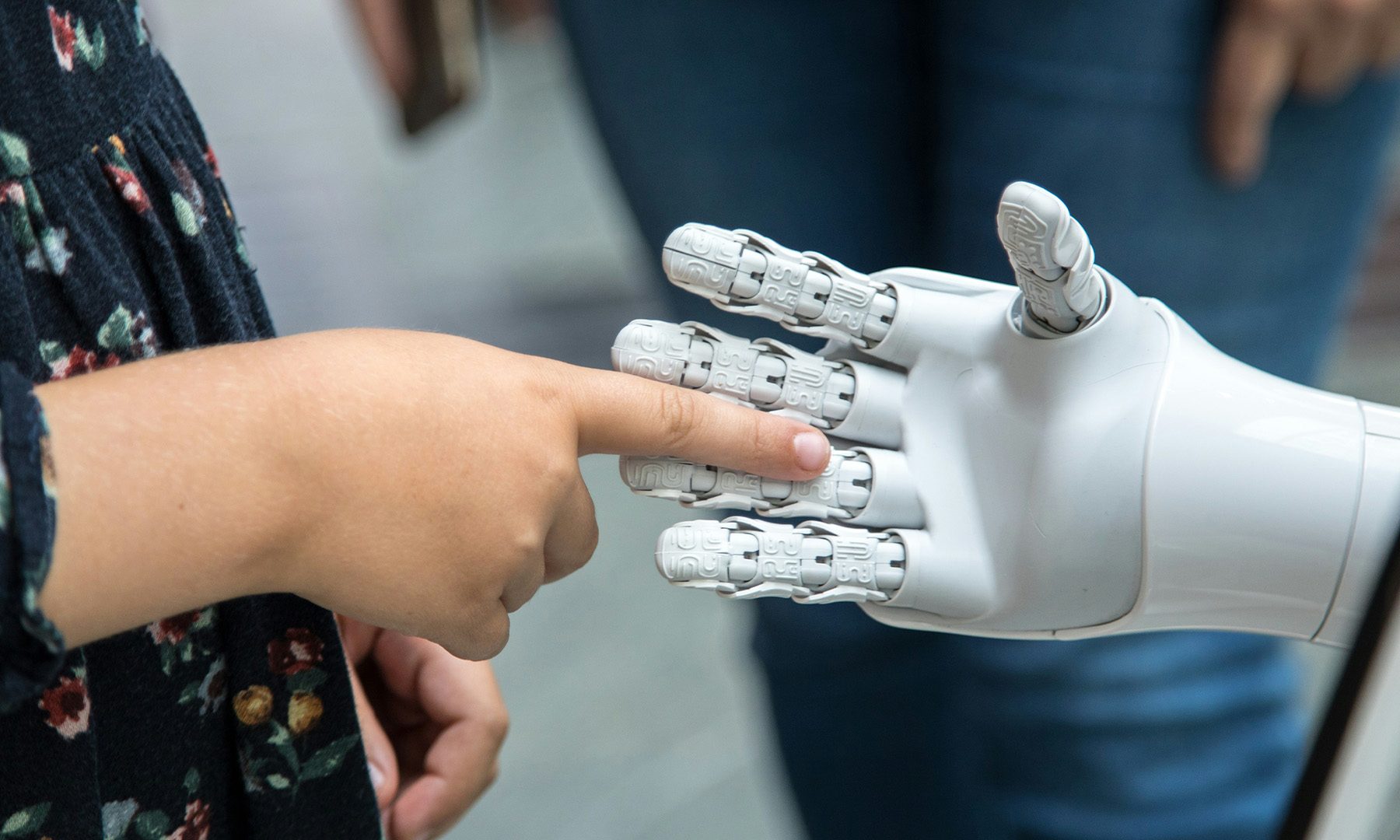
Robot Touch Human Finger

Samsung wants a place in the humanoid race, but its new robotics push begins with machines built for factories rather than homes.

The CEO-led RX robotics division will initially focus on manufacturing robots. Samsung has separately identified humanoids as a priority, although it hasn’t announced a commercial model or explained where one fits into the division’s immediate plans.

Read more
The future of AI may depend on this one behind-the-scenes change
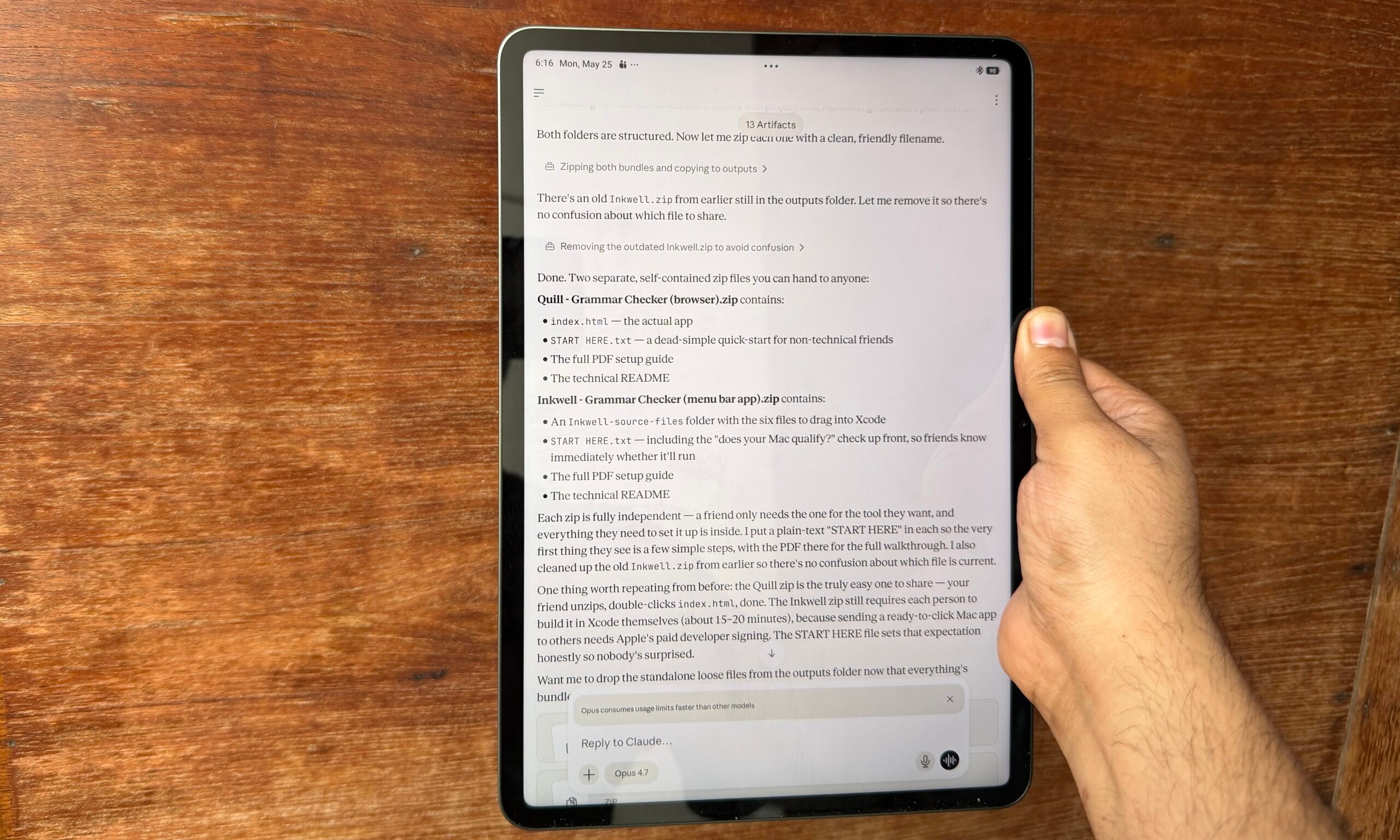
Running Claude on Android.

Whenever a new AI model arrives, it's easy to get caught up in the bells and whistles. We talk about how much smarter it is, how quickly it answers questions, or how realistic its images have become. But here's the thing: none of that matters much if the AI can't reliably work with the apps and services people use every day.

That's why an upcoming update to the Model Context Protocol (MCP) caught my attention. It isn't a new chatbot or a fancy AI model. In fact, most people will never even know it's happening. But it could quietly make the AI ecosystem a lot healthier. If you've never heard of MCP before, don't worry. Think of it as a shared language that lets AI assistants safely talk to apps like Gmail, Slack, calendars, databases, and countless other services. Instead of every company inventing its own way to make those connections, MCP gives everyone a common rulebook.

Read more