1. Home
  2. Emerging Tech
  3. Web
  4. News

Digital Trends may earn a commission when you buy through links on our site. Why trust us?

That Kickstarter potato salad guy launched his own cookbook, and it’s awesome

Add as a preferred source on Google

Memes don’t last long on the internet, which is why few people are in a rush to take “planking” photos or make a Harlem Shake video here in 2016.

But two years after Zack “Danger” Brown raised a massive $55,492 on Kickstarter to make a bowl of potato salad, we’re somehow still talking about one of the more audaciously cheeky crowdfunding efforts in history — which just hit its final project stretch goal.

Recommended Videos

Co-written by Teresa Blackburn, The Peace, Love & Potato Salad Cookbook is a recipe book sent out to everyone who pitched in $50 or more as part of the original campaign — or anyone else who wants to buy one individually, for that matter.

potato4
Danielle B. Atkins
Danielle B. Atkins

“When this all first started, I just wanted to make a traditional potato salad,” Brown told Digital Trends. “This book goes way beyond that: There’s a breakfast potato salad, seasonal-appropriate potato salads, everything you can think of. You’ll be eating potato salad all year round.”

A couple of years removed from his original potato salad fame, Brown, a 33-year-old software engineer, still doesn’t have the perfect explanation for why his $10 request struck a chord with people.

“There are no black-and-white answers for why something becomes popular on the internet,” he says. “I think it had something to do with the fact that it had a backlash, then another backlash, then a backlash to that backlash and so on. When people heard that I was asking for money on Kickstarter to crowdfund a potato salad, there was an initial reaction. Then when people saw that others were giving money to it, every dollar added seemed to make it bigger, crazier, and more outrageous. It just kept building and building.”

Still, it seems like everything was worth it — because the end results can be seen in the lavishly illustrated new book, which will have you whipping up “Blue Cheese Baby Beet Potato Salad” and “Salt-Cooked Fingerling Potato Salad & Garlic Cilantro Mojo” in no time.

Just don’t ask people to pay for you to make any of the recipes. It’s been done, you know.

Buy on Amazon

Luke Dormehl
I'm a UK-based tech writer covering Cool Tech at Digital Trends. I've also written for Fast Company, Wired, the Guardian…
Yet another study says AI is bad for elections, and the rabbit hole gets worse
AI may be an election bomb waiting for someone to light the fuse
Voters cast their ballots on Election Day

Another election, another study has concluded that asking an AI chatbot for political guidance is a spectacularly bad idea. Research conducted during Hungary’s 2026 parliamentary election found that ChatGPT and Google Gemini offered not just inaccurate but also inconsistent and unreliable voting advice. The chatbots misclassified voter profiles, overlooked relevant parties, recommended parties absent from the ballot, and sometimes produced materially different answers when given the same information repeatedly.

AI keeps failing the voter test

Read more
Samsung’s humanoid robot ambitions are real, but factories come first
Samsung’s new robotics division has humanoids in its sights, although its immediate business is far more practical factory automation
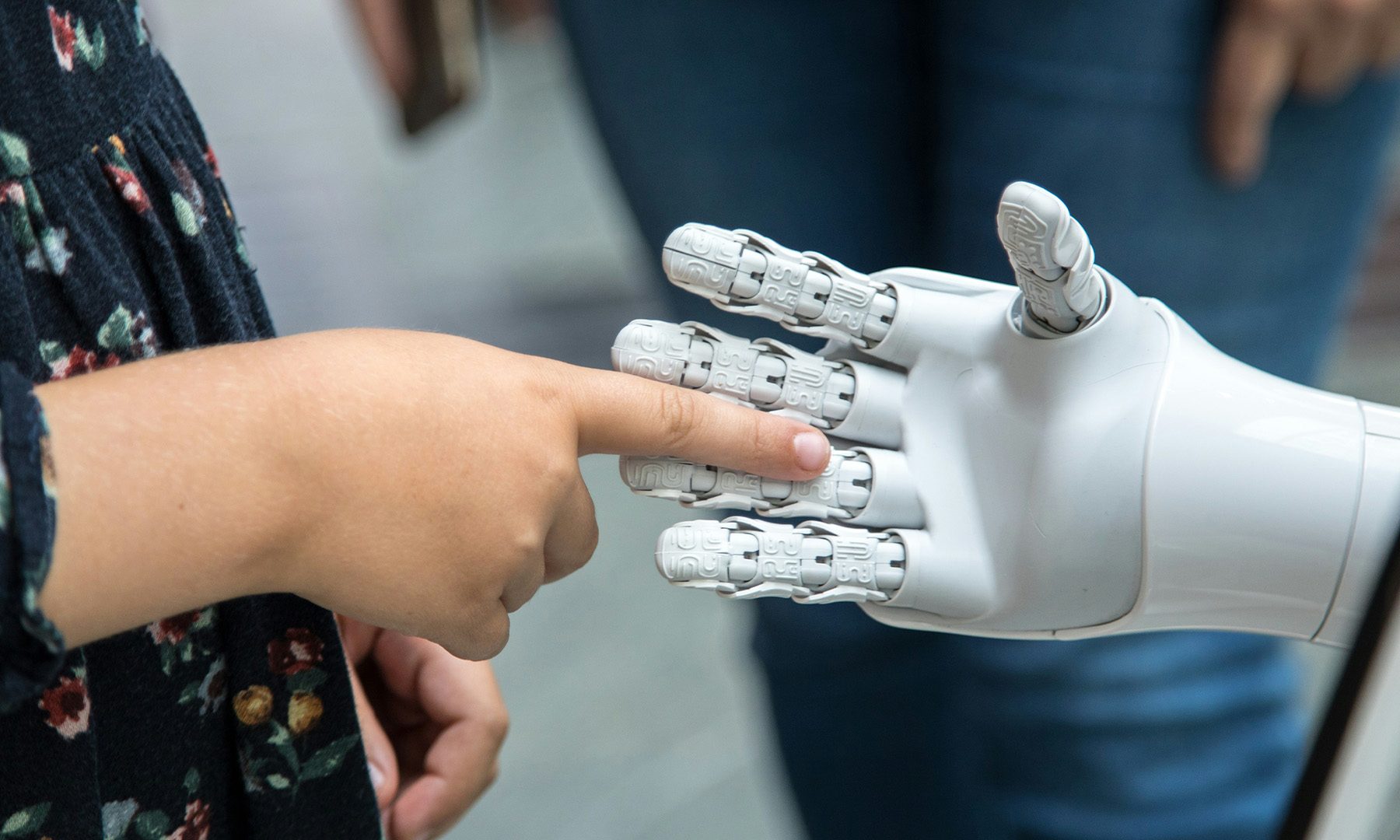
Robot Touch Human Finger

Samsung wants a place in the humanoid race, but its new robotics push begins with machines built for factories rather than homes.

The CEO-led RX robotics division will initially focus on manufacturing robots. Samsung has separately identified humanoids as a priority, although it hasn’t announced a commercial model or explained where one fits into the division’s immediate plans.

Read more
The future of AI may depend on this one behind-the-scenes change
Running Claude on Android.

Whenever a new AI model arrives, it's easy to get caught up in the bells and whistles. We talk about how much smarter it is, how quickly it answers questions, or how realistic its images have become. But here's the thing: none of that matters much if the AI can't reliably work with the apps and services people use every day.

That's why an upcoming update to the Model Context Protocol (MCP) caught my attention. It isn't a new chatbot or a fancy AI model. In fact, most people will never even know it's happening. But it could quietly make the AI ecosystem a lot healthier. If you've never heard of MCP before, don't worry. Think of it as a shared language that lets AI assistants safely talk to apps like Gmail, Slack, calendars, databases, and countless other services. Instead of every company inventing its own way to make those connections, MCP gives everyone a common rulebook.

Read more