 The rate at which digital cameras are improving and smartphone photo apps are taking over translates to a whole lot of discarded and outdated point and shoots sitting around. The $200 you spent on a pocket cam last year might be a cost you eat if you find yourself relying entirely on your iPhone. Luckily, there are a handful of fun mods that will repurpose your old point and shoot. You might not be able to do anything about that wimpy 8-megapixel sensor or the pitiful 4x digital zoom, but take inspiration from these DIY camera hacks that give your old device some new tricks.
Webcam
What you’ll need: Old digital camera (that has video capture/video output), a computer with video input (if your computer doesn’t have this, you can get a USB capture adapter), adjustable grip tripod
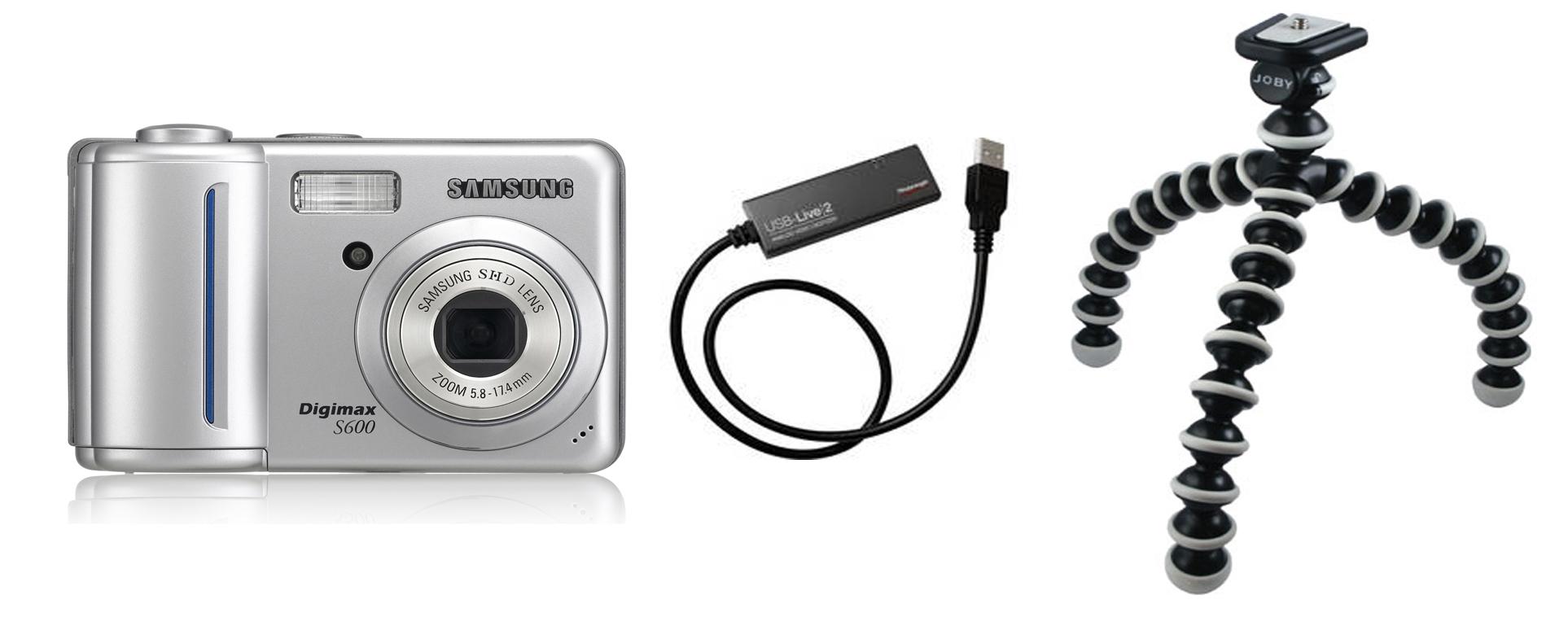
How to: There isn’t too much to explain about this DIY trick. You’ll probably spend most of your time figuring out a good to position your new Webcam. A flexible camera tripod of some (like the GorillaPod) is probably your best bet, but consider this element up for interpretation. After that, all you need to do is hook your camera up to your computer from its A/V out port and then open up whatever video chat software you choose.
Infrared camera
What you’ll need: Old digital camera, small screwdrivers (used for jewelry or eyeglasses), tweezers, a piece of glass or film negative
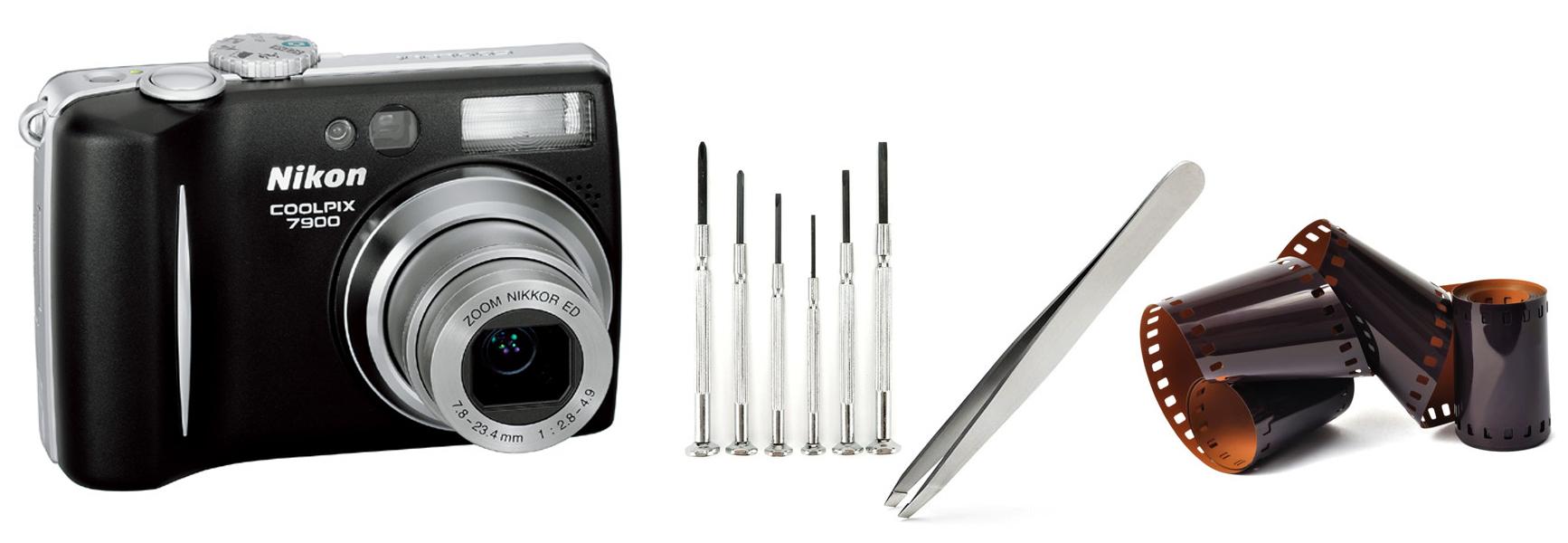
How to: Here are some really great detailed instructions on how to do this and what you’re looking for. Here’s the gist: you want to take apart your old camera, so turn it upside down and unscrew the thing and then gently open it up. You’re looking for the “hot filter,” which sits between the lens and the CCD and replace it with a piece of glass or underexposed, developed slide film negatives cut to the same size as what you are replacing. You’ll then want to put her back together (again, carefully), and try out your new IR camera.
Nightlight
What you’ll need: Old digital camera, small nightlight, small screwdrivers (use for jewelry or eyeglasses), sharp knife, all-purpose glue
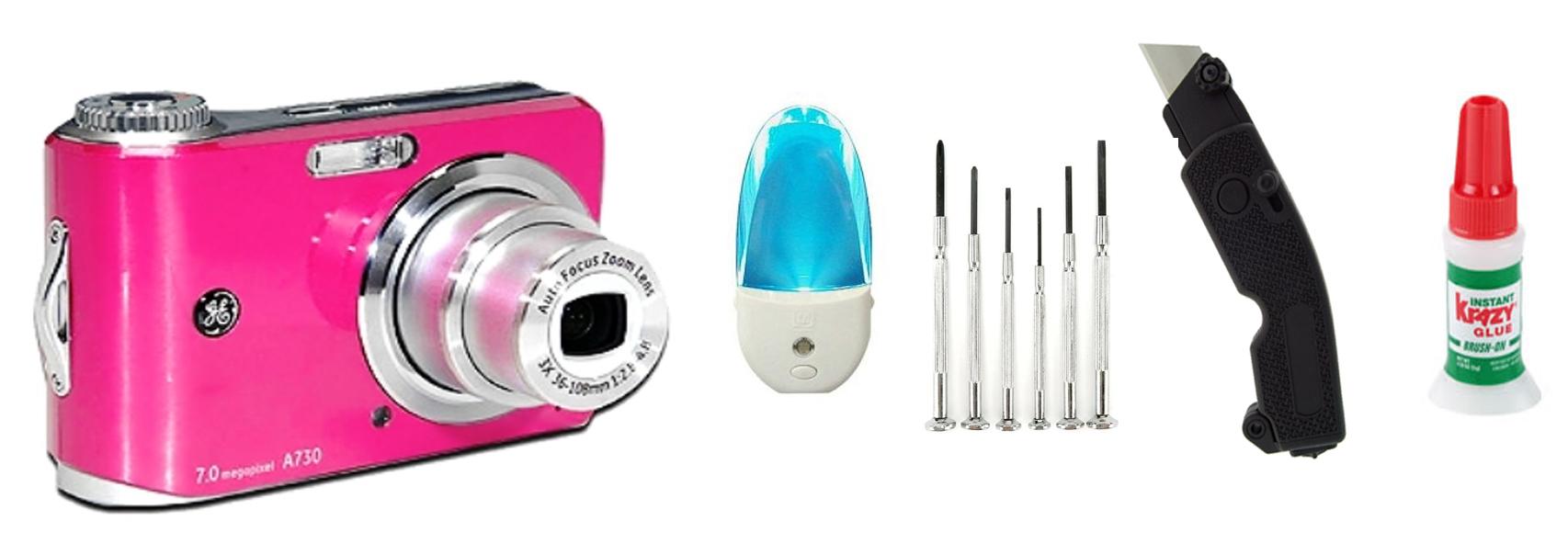
How to: First of all, be careful. You essentially need to cut the inside of your camera once you’ve carefully opened it, and there are lots of tiny parts in there to be careful of. In order to keep the shell of the device whole, you need to take your time and do this the right way. You’ll want to get the lens out too. A pair of tweezers might make things easier as well.
Once you have nothing but an empty camera, fix the night light in it using some sort of super stick glue (a hot glue gun should also work) and then closer her up. You’ll need to cut a hole in the back of the chassis for the prongs to stick out of. After that, shut her back up and if the screws seem loose, try gluing around the camera’s seam for extra support.
Self-portrait camera
What you’ll need: Old digital camera, small mirror, all-purpose glue
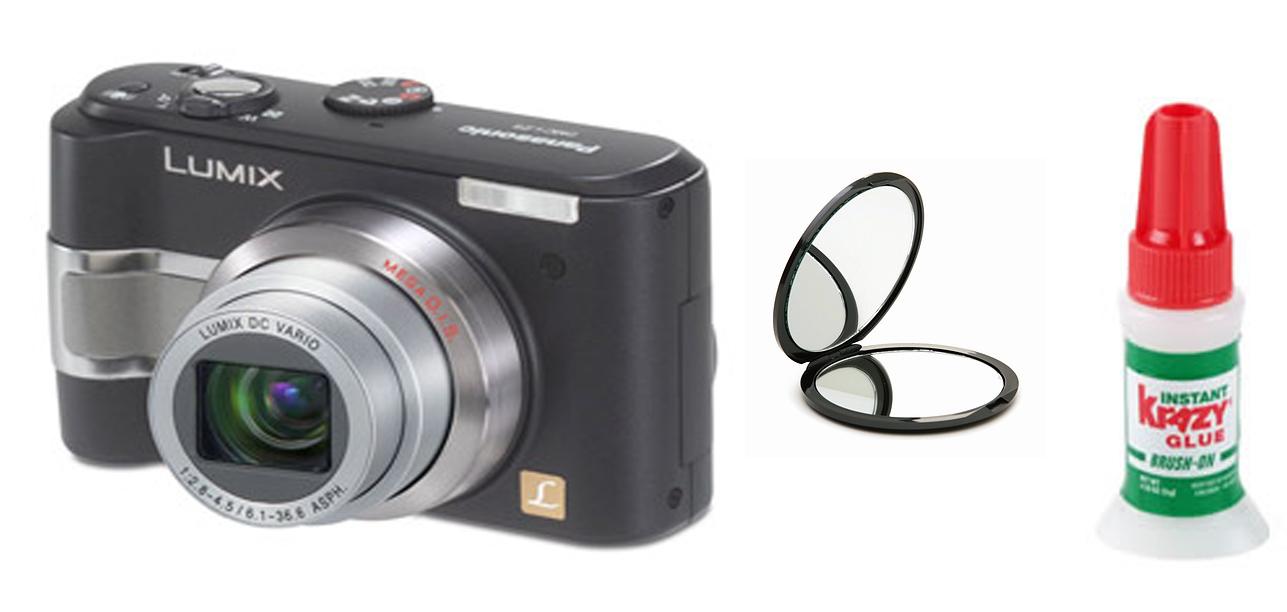 How to: Here is an incredibly easy way to repurpose your old digital camera. If you’re a fan of the self-portrait (it’s okay, I’m not going to shame you), then you need a solution so that you can stop cutting off one or all of your subjects. Find a small mirror from a makeup compact (you can also buy them at craft stores) and fix this piece to the face of your digital camera. The mirror’s size and placement will depend on where the lens is located, but you’ll quickly and easily have a way to start seeing what you’re shooting.