1. Home
  2. Audio / Video
  3. News

No mount required: BenQ’s HT 1075 brings big-time versatility to the $1000 range

Add as a preferred source on Google

We hear people cracking jokes about ultra-large TVs all the time. Why don’t you just get a projector?, the say. We understand the sentiment, but the hard reality is that a projector isn’t realistic for a lot of folks — installation hassles and tight placement restrictions are often prohibitive. But the new BenQ HT1075 1080P HD projector aims to change that.

This projector is built for flexibility. It can accept wirelessly transmitted HDMI signals (with optional HDMI wireless kit — about $350, ouch!) and it’s got both vertical and horizontal keystone correction, plus vertical lens shift. That means that you can place it almost anywhere in a room (within reason) and get a nice big image up on the wall or projection screen.

Recommended Videos

How big? The HT1075 can get up to 100-inchs at just under 8 feet. That makes is a viable option for use in a a living room or bedroom. Just plug it in, and go. We can see this being the centerpiece of a backyard movie night (you’ll want to add a sound system) or a fun way to kick movie night in the family room up a notch

You can find the BenQ HT1075 at reputable retailers, including Amazon, for about $800.

Caleb Denison
Caleb Denison is a sought-after writer, speaker, and television correspondent with unmatched expertise in AV and…
Stop joining group projects with a blurry laptop webcam and buy one of these instead
Your laptop webcam is sabotaging your first impression. These five can fix it
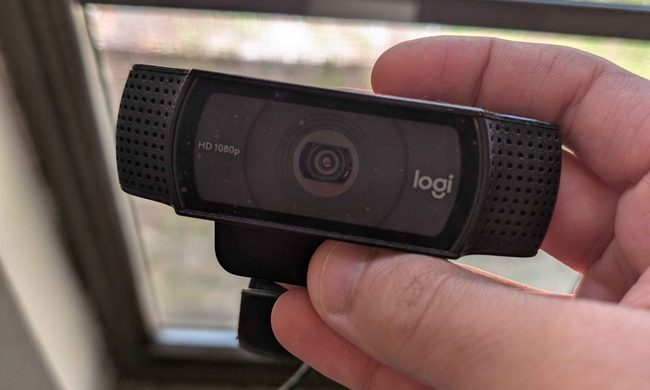
I'm holding my Logitech C920 1080p webcam in my hands.

The webcam built into your laptop might be good enough for a quick call with friends and family. But its shortcomings become much harder to ignore when you are presenting a semester project, interviewing for an internship, or maybe if you're planning to stream for fun.

Laptop cameras also tend to sit far too low, especially when the computer is placed directly on a desk. Meanwhile, a dedicated webcam lets you position the camera closer to eye level. This improves the framing and brings larger sensors, better microphones, and more effective low-light processing.

Read more
I desperately want a new classic Walkman, but Sony probably can’t give me one
Tech minimalism is begging for a new Walkman. Though rebuilding it may be close to impossible
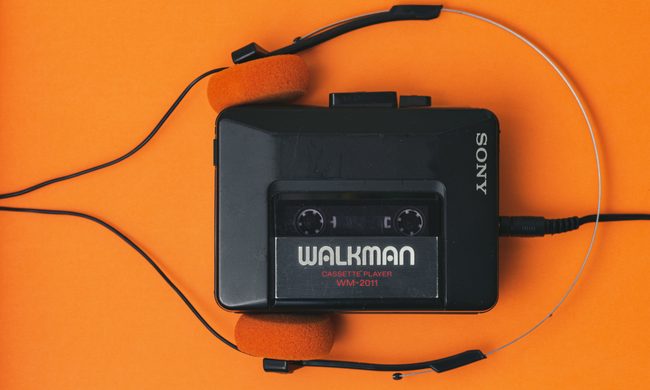
Sony Walkman WM2011

Every few months, another piece of tech that seems obsolete crawls out of a drawer and becomes cool again. The age of minimalism has revived the popularity of iPods among younger buyers. Dumbphones have become an escape hatch from endless notifications. Similarly, digital cameras are dangling from bags again. Physical media keeps attracting people who want something they can actually hold instead of another frustrating subscription.

All of this makes it the perfect time for Sony to bring back the classic Walkman, which was a phenomenon during the 80s and 90s. I would love one. Give me a compact cassette player, physical buttons, and wired headphones. Keep the apps, notifications, and algorithms that shape your taste of music. No more AI assistants or personalzied feeds, just you and your Walkman. There is only one problem though. Recreating the Walkman that people love and remember, would be far harder than putting an old design back into production.

Read more
Proton reveals how smart TVs track you and the escape situation is pretty grim 
Modern smart TVs fingerprint your screen content at the chipset level.
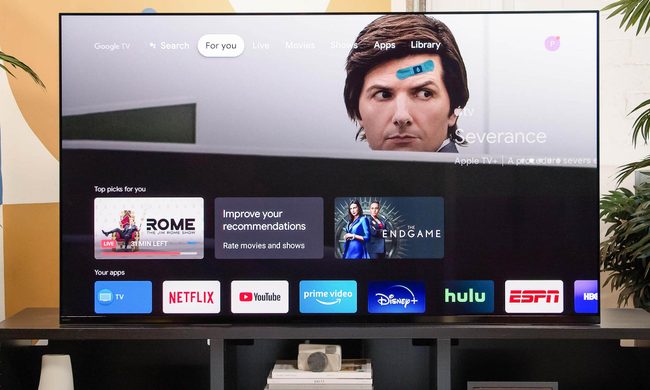
Google TV applications on the Sony A95K TV.

Your smart TV may know far more about your viewing habits than you realize, even if you rarely use its smart features. In a new privacy explainer, Proton warns that many modern TVs quietly collect data about everything displayed on the screen and share it with manufacturers, advertisers, and analytics companies.

The worrying part is that escaping this tracking is becoming increasingly difficult because many privacy controls are buried deep in settings or enabled by default. Proton argues that buying a smart TV today often means accepting a level of surveillance that most people never knowingly signed up for.

Read more