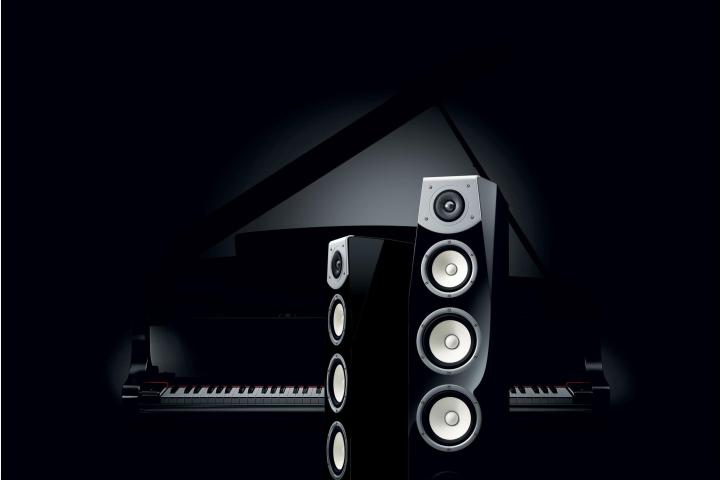
For most folks in the US, the name Yamaha is more likely to conjure up images of musical instruments, motorcycles, or A/V receivers than speakers or headphones. Yet, the company makes both, and when it really flexes its design muscle, Yamaha winds up making something truly beautiful. Case in point: Yamaha’s latest Soavo speakers.
The Soavo speaker line is something Yamaha offers in Japan all the time, but it only makes its way here to the US every once in a while, as if to remind the industry here that it’s got the chops to do high-end audio just fine, thanks very much. In the past we’ve seen some pretty sexy Soavo speakers which, thankfully, happened to sound as good as they looked. But with this latest iteration, Yamaha has really outdone itself. Dubbed the NS-F901, the new floor-standing speakers have already made their way to the US and are available from authorized dealers now. 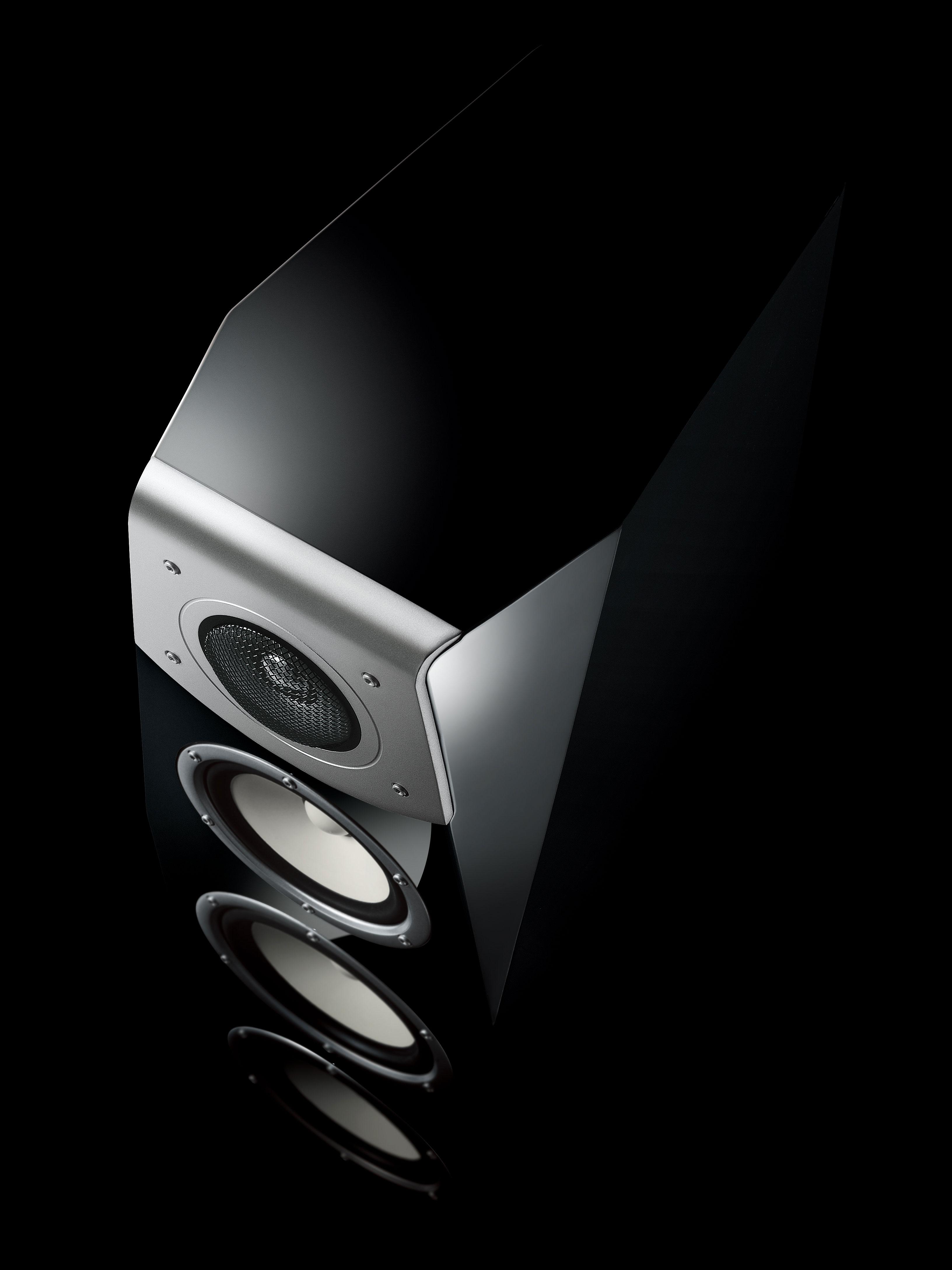
At $2,500 each, the NS-F901 are positioned as a premium speaker, and they certainly look the part. We put our eyes and ears on the F901 earlier this year at the CEDIA expo and fell in love with their virtually seamless cabinetry and lush, gloss-black finish. And while we’ve never been huge fans of the white speaker cone approach, the F901 somehow pull it off better than the rest.
The beauty of this speaker’s design goes much deeper than its surface. Yamaha has used premium parts for the crossover networks and built custom drivers for this series, including what the company describes as advanced polymer-injected mica diaphragms with lightweight die-cast aluminum frames for its midrange drivers and woofers. The tweeter is made from aluminum and, like all of the speaker’s drivers, features a neodymium magnet.
When we heard these speakers at CEDIA, we had enough going on around us that it was impossible to form a well-rounded opinion. With that said, what we were able to hear was gorgeous and lively. To be sure, the Soavo are worth an audition, if only for the pure fun of the experience.
The speakers will get limited distribution here in the US, so if you’re eye-balling a pair, you’ll want to find a dealer near you and have a listen for yourself.
Editors' Recommendations
- We’ve tried them all — these are the best Sonos speakers in 2024
- McIntosh’s House of Sound is a five-story audio Eden in NYC
- Awesome ferrofluid-filled speaker visualizes your music with alien-like goop
- Amazon drops 30% off this awesome Sony portable Bluetooth speaker