1. Home
  2. Phones
  3. Mobile
  4. News

Withdrawing cash from a Bank of America ATM just got easier for Apple Pay users

Add as a preferred source on Google

Why carry around a debit card when you can just carry around your phone? Aiding you in your continuing quest to pare down the size of your wallet is a new Bank of America feature that lets you use your smartphone to withdraw money from an ATM — provided that you have your Bank of America debit card loaded into your digital wallet.

Whether you’re an Apple or Android user, you can now leave plastic at home if you’re looking to retrieve cash from an ATM. Of course, you’ll have to find an NFC- (near-field communication) compatible Bank of America ATM first, but once you’ve solved that piece of the puzzle, you’ll be able to utilize Apple Pay to pull funds out of the bank. Apple Pay follows in the footsteps of both Samsung Pay and AndroidPay when it comes to offering this functionality.

Recommended Videos

To use Apple Pay to withdraw cash, select the correct debit card from the virtual wallet, then scan your phone on the NFC symbol on the ATM. From there, you’ll be prompted to enter your PIN, whereupon you can select the amount you need withdrawn, and then be on your merry way. And as digital wallets become more ubiquitous, Bank of America hopes to have ATMs capable of accepting Apple Pay across the country by the end of the year.

If you’re looking for more details about how Apple Pay will work with Bank of America, you can check out the nifty new website the financial institution has launched heralding the arrival of the future at your local ATM. Other banks have also introduced similar capabilities, or are planning to in the coming months — Chase and Wells Fargo are among the major financial institutions embracing the digital revolution.

So if your stack of cards is growing too unwieldy to manage, start thinning things out, and just whip out Apple Pay at the ATM instead.

Lulu Chang
Fascinated by the effects of technology on human interaction, Lulu believes that if her parents can use your new app…
Android desktop mode made me miss my laptop in record time
I tried writing and publishing from Google’s phone-to-monitor setup, and the future of mobile computing immediately started sweating.
Computer, Electronics, Laptop

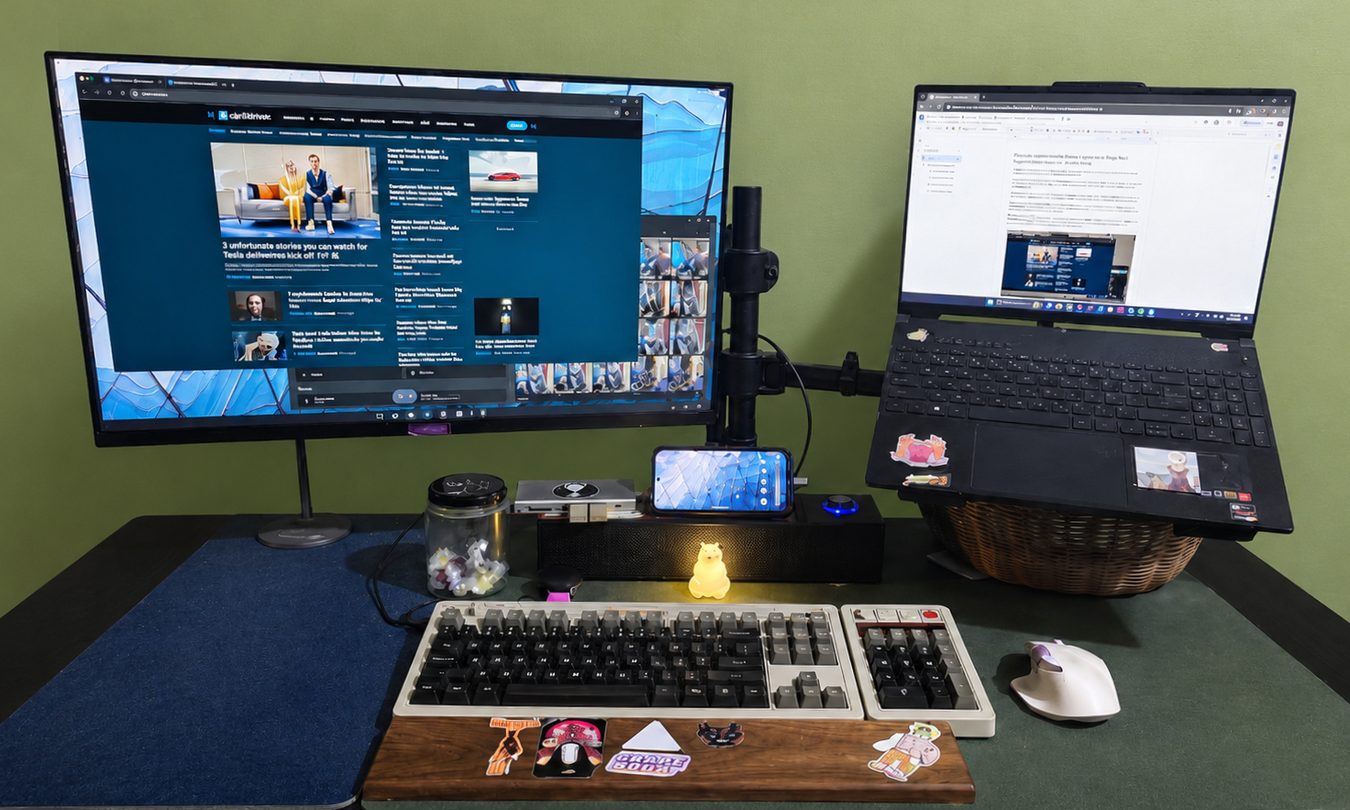
Android 17 desktop mode has a very simple pitch. Plug your phone into a monitor, add a keyboard and mouse, and watch the slab in your pocket pretend to be a computer. I wanted to give that pitch a fair shot, so I tried using it for an actual workday instead of a cute demo.

The goal was boring on purpose: write an article, edit it, build the page in WordPress, upload whatever needed uploading, and publish the thing without running back to my laptop like a coward.

Read more
After test-driving iOS 27, my iPhone still doesn’t feel like it has made a substantial leap
Siri learned new tricks. Safari got smarter tabs. My morning routine didn't change at all.
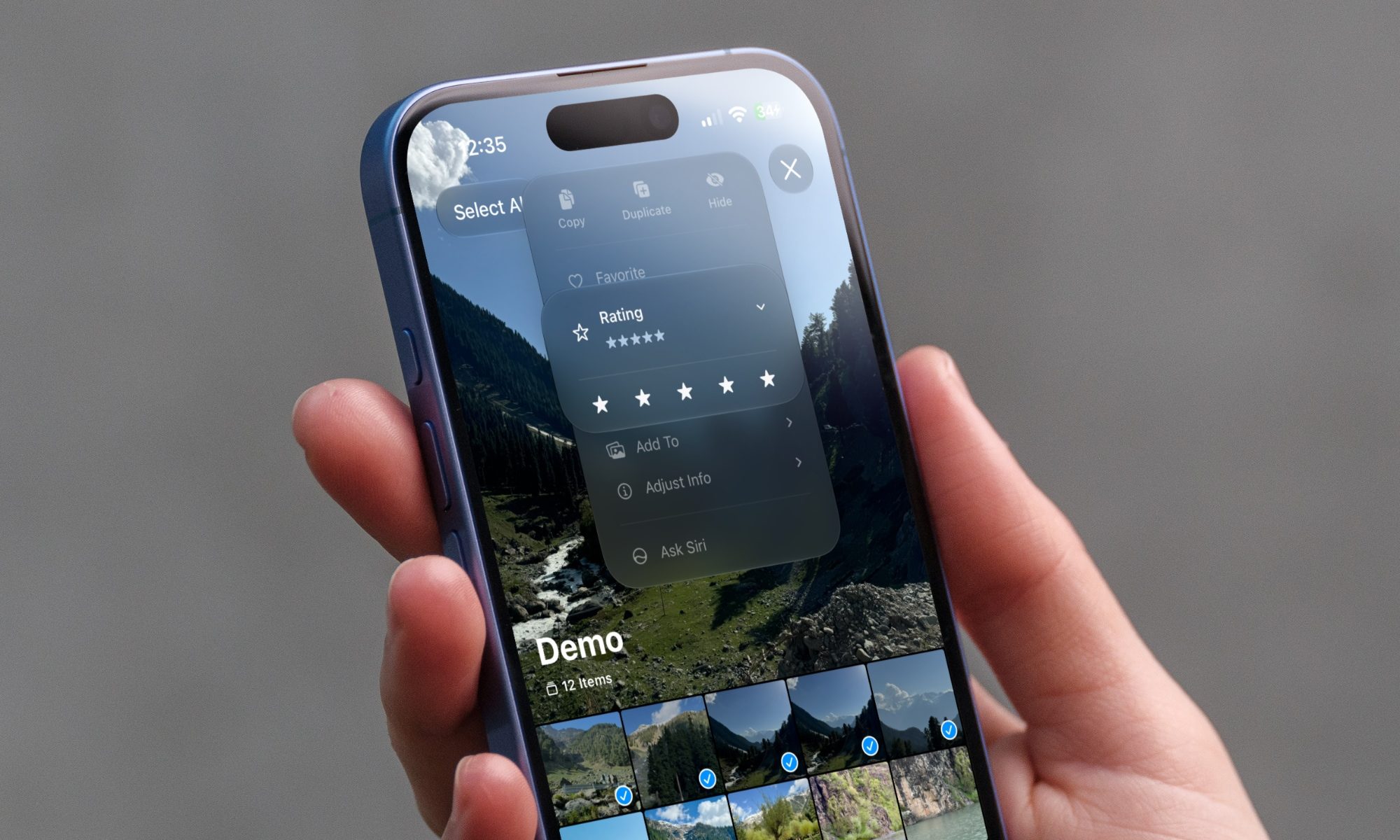
iOS 27 new star rating feature in Photos

Every June, after Apple wraps up its annual WWDC keynote, I install the latest iOS beta on my iPhone, watch the progress bar crawl to completion, and wait for the inevitable restart. For years, picking up my phone afterward felt almost identical to how it did before the update. 

I saw the same grid of icons, the same Control Center, and the same version of Siri until iOS 26 finally broke that pattern in 2025.

Read more
Android 17 makes a strong case for ignoring Android version numbers entirely
When the most noticeable change is a better Quick Settings button, the annual update cycle starts looking more like branding than progress.
Android 17 logo.

Android 17 finally separated the Wi-Fi and mobile data buttons, and I hate how much that improved my mood. For years, Android treated internet access like one mysterious blob, as if Wi-Fi and cellular data were emotionally codependent. In Android 17 Beta 3, Google split the old combined Internet button into separate Wi-Fi and mobile data tiles, making each connection easier to switch off with a single tap.

That’s a good change, which is also why it’s a little damning. When one of the cleanest wins in a major OS update is “the buttons make sense again,” the celebration gets awkward fast.

Read more