  1. Home
  2. Mobile
  3. Legacy Archives

Apple Prevails in iPod Hearing Loss Suit

Add as a preferred source on Google
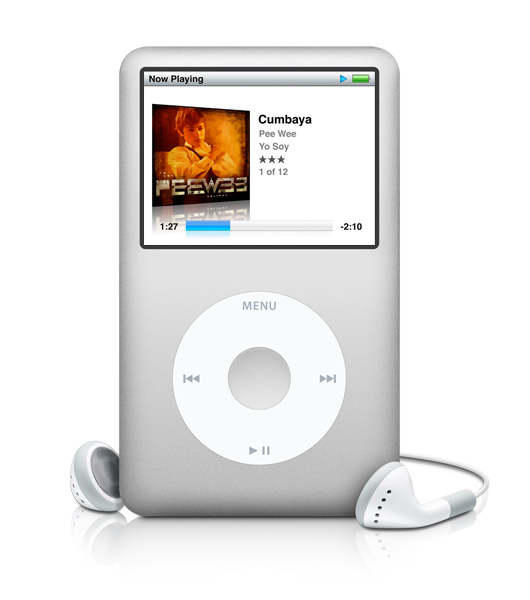
Apple-ipod-classic
Image used with permission by copyright holder

The Ninth Circuit Court of Appeals has ruled in favor of Apple in a class action lawsuit that claimed using Apple’s iconic iPod portable media players could lead to hearing damage and loss because they were capable of outputting audio as loud as 115db with the factory-supplied earbuds. The plaintiffs claimed that the capability to output that level of sound constituted a serious risk to iPod users, particularly the younger set, if they cranked their iPod to overcome environmental sound or just to be in an isolated universe with their tunes. However, a lower court ruled that merely having the potential to output damaging levels of sound did not put Apple on the hook, and the appeals court agreed with the lower court ruling. The appeals court further ruled that since the plaintiff had not suffered any injury themselves and could easily avoid any such industry, they had no standing to bring a suit against Apple.

Apple does include a warning with its iPod music player against prolonged use at high volume levels, and the devices can be configured to cap their output at a level well below the device’s maximum; thus, the means for avoiding hearing damage is both “obvious” and “avoidable” in the eyes of the court.

Recommended Videos

The ability to crank an iPod all the way to the limits of its hardware is potentially very useful for some users, particularly folks who use the devices with non-Apple headphone with different impedance values, or who are connecting the devices to other audio equipment. Nonetheless, experts agree that the danger of permanent hearing loss from prolonged use of high-volume personal music players and other in-ear devices is a serious issue, particularly for the so-called “iPod generation” that is being raised with in-ear media.

Geoff Duncan
Former Contributor
Geoff Duncan writes, programs, edits, plays music, and delights in making software misbehave. He's probably the only member…
Topics
Snapchat Planets Meaning: Order, Rankings, and How Friend Solar System Works
Snapchat Planets turns your best friends list into a solar system, and yes, your orbit says a lot
Snapchat Planets being shown on the Snapchat app on iPhone.

Snapchat+ includes several exclusive features, but few have generated as much curiosity as Snapchat Planets. Part of the app's Friend Solar System, it transforms your Best Friends list into a planetary ranking, assigning each of your top eight friends a planet based on how often you interact.

From Mercury, which represents your closest friend, to Neptune, which represents your eighth closest, the system offers a quick visual snapshot of your interactions. But what do the different planets actually mean, and how does Snapchat decide who gets which one?

Read more
How to use WhatsApp Web
We'll show you how to use WhatsApp on your desktop or laptop
WhatsApp Web

As one of the most popular messaging services, you’ve already heard of WhatsApp. From its humble beginnings in 2009—two years before Apple introduced iMessage—to its acquisition by Facebook (now Meta) in 2014, WhatsApp has become the dominant messaging platform around the globe.

In recent years, it's grown even more potent with new features like video messages, self-destructing voice messages, the ability to edit sent messages, and more. We even finally got an WhatsApp iPad app in May 2025.

Read more
What is WhatsApp? How to use the app, tips, tricks, and more
From setting it up to mastering hidden features, here is your complete guide to WhatsApp.
WhatsApp app store listing open on iPhone

There's no shortage of messaging apps out there. The past decade has given us more options than we know what to do with, largely because smartphones demanded something better than plain old SMS.

Both the App Store and the Play Store are packed with apps that promise to revolutionize the way we communicate. Most of them didn't make it. The truth is, a messaging app is only as good as the number of people using it, and most apps never cross that threshold.

Read more