  1. Home
  2. Mobile
  3. Legacy Archives

AppTracker lets Android and iOS publishers track ads without Device IDs

Add as a preferred source on Google
wda-app-tracker-dashboard
Image used with permission by copyright holder

With iOS 5, Apple has told developers that it will be eliminating the collection of unique device identification numbers (UDIDs) because of concerns over privacy. This number has been vital for ad networks and developers to help track users if they click on ads or move between apps. Its elimination has caused a stir in the app community. WDA believes it has developed a solution to this problem.

Today, WDA, which has been in the mobile apps and services space for 10 years now, has announced AppTracker, a way to track mobile users safely and anonymously, without using UDIDs.

Recommended Videos

“App publishers also need to know that the tools they use to run their businesses do not run afoul of users’ right to privacy,” said Konny Zsigo, president and CEO of WDA. “That is why we have designed our products from the very beginning to absolutely ensure privacy and anonymity for users.”

But AppTracker actually solves more than one big problem. WDA representatives tell us that it is also the first system that enables real time click-to-install logging of app downloads that originate from a mobile ad, regardless of whether the user came from a web ad or in-app ad. AppTracker can track users as they travel back and forth from mobile websites and apps. Marketing a smartphone app has always had an Achilles heel: you can track mobile web ads using cookies and you can track in-app ads with UDID (unique device ID), but there was no good way to crossbreed the two. You couldn’t advertise your app on the web and know how many people actually installed it on their phone.

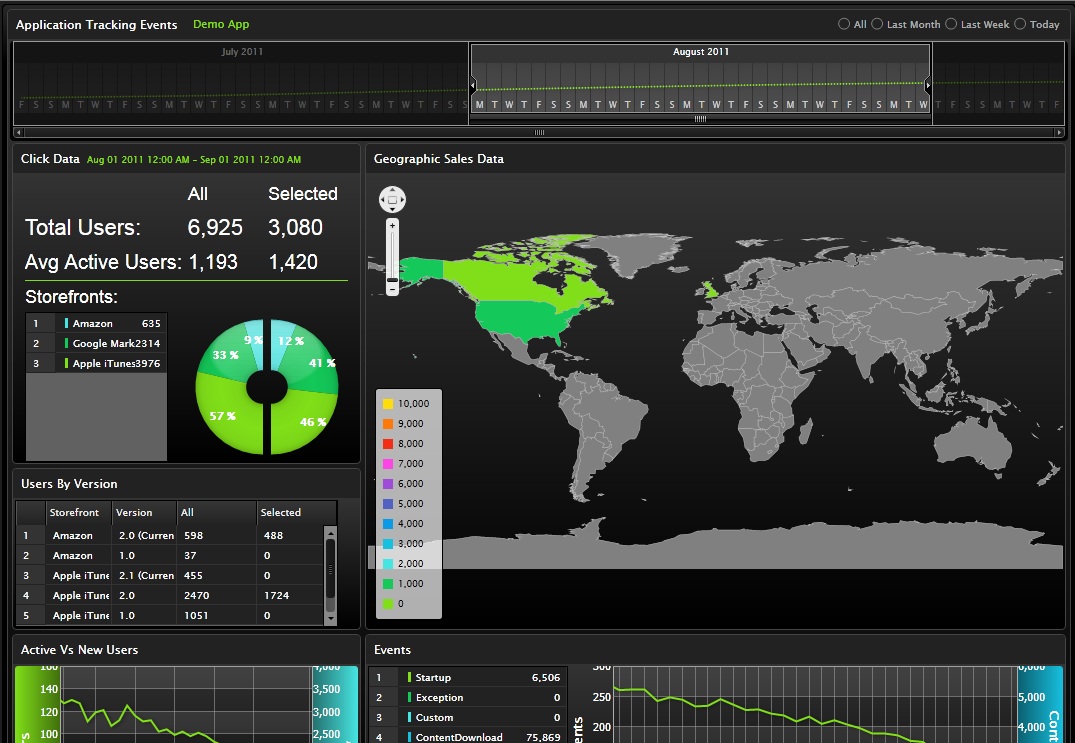
If you’re a smartphone user, this won’t mean much, but if you’re an app publisher (these days, everyone seems to be), this makes it possible to actually know if your marketing dollars are working. Publishers can now fully track how effective an ad campaign is, how many people are downloading, when they’re downloading, and whether it’s from your web ads or in-app ads using the web dashboard provided with the AppTracker service. We spent some time with a demo AppTracker account and found it remarkably useful. It breaks down app installations by time, region of the world, and which app store they came from, while also separating out how many new users vs old users are using an app.

For those interested in checking out the AppTracker and web dashboard interface, or WDA’s full suite of “mobileDSP” platform services, you can sign up for an evaluation account at wda.us/apptracker.

(Full disclosure: I was the head of game & app content reviews at WDA from 2006 to 2009. I have never written about WDA before.)

Jeffrey Van Camp
As DT's Deputy Editor, Jeff helps oversee editorial operations at Digital Trends. Previously, he ran the site's…
The best phones in 2026: our 14 favorite smartphones right now
We tested phones across all price brackets so that you can make the best pick based on your needs and budget.
Google Pixel 10 Pro Fold vs Galaxy Z Fold 7 cameras

Choosing the right smartphone in 2026 is no easy task. Apple and Android manufacturers now have strong options at almost every price, while better cameras, longer battery life, improved software support, new AI features, and more refined foldable designs have made the market more competitive than ever. But picking one is not easy, especially if your budget is tight, or you are just legitimately concerned about getting the best value for your money and need a reliable daily driver for long-term usage.

We have tested and compared the leading smartphones available today, looking beyond the spec sheet to see how they actually perform in daily use. Camera quality, battery life, performance, display quality, software, design, and long-term value all play a part in our recommendations. Whether you are looking for a powerful flagship, a dependable budget phone, a compact device, or a foldable, this guide should help narrow down your choices.

Read more
Snapchat Planets Meaning: Order, Rankings, and How Friend Solar System Works
Snapchat Planets turns your best friends list into a solar system, and yes, your orbit says a lot
Snapchat Planets being shown on the Snapchat app on iPhone.

Snapchat+ includes several exclusive features, but few have generated as much curiosity as Snapchat Planets. Part of the app's Friend Solar System, it transforms your Best Friends list into a planetary ranking, assigning each of your top eight friends a planet based on how often you interact.

From Mercury, which represents your closest friend, to Neptune, which represents your eighth closest, the system offers a quick visual snapshot of your interactions. But what do the different planets actually mean, and how does Snapchat decide who gets which one?

Read more
How to use WhatsApp Web
We'll show you how to use WhatsApp on your desktop or laptop
WhatsApp Web

As one of the most popular messaging services, you’ve already heard of WhatsApp. From its humble beginnings in 2009—two years before Apple introduced iMessage—to its acquisition by Facebook (now Meta) in 2014, WhatsApp has become the dominant messaging platform around the globe.

In recent years, it's grown even more potent with new features like video messages, self-destructing voice messages, the ability to edit sent messages, and more. We even finally got an WhatsApp iPad app in May 2025.

Read more