1. Home
  2. Phones
  3. Mobile
  4. News

iPhone 17 Pro could be the first to offer 8K video recording

Add as a preferred source on Google
Render of iPhone 17 Pro Max.
This is what the hump could look like, without any of that snazzy two-tone look. Jon Prosser / MacRumors

The iPhone 17 series is set to launch in about six months. With this in mind, more details about the new handsets are being leaked. The latest concerns the iPhone 17 Pro and iPhone 17 Pro Max.

Fixed Focus Digital (via MacRumors) reports that the iPhone 17 Pro series is expected to support 8K video. This makes sense, considering previous rumors suggest the iPhone 17 Pro series would offer three 48-megapixel rear cameras: a Fusion, Telephoto, and Ultra Wide. You need 33 megapixels to generate an 8K image.

Recommended Videos

The iPhone 16 Pro series offers 48-megapixel Fusion and Ultra Wide cameras. Its 12-megapixel Telephoto lens, however, limits video recording to 4K.

Among newer phones, the Samsung Galaxy S25 Ultra and OnePlus 13 support 8K video recording.

What does 8K video recording mean?

Recording in 8K has several advantages, along with some drawbacks. From a technological standpoint, 8K captures a significantly higher level of detail compared to 4K, resulting in sharper and more lifelike videos. This difference is especially noticeable on large displays.

Moreover, the high-resolution provides greater flexibility during post-production, allowing you to crop or zoom into the footage without losing significant image quality.

However, 8K videos require a considerable amount of storage space, which can quickly consume your phone’s memory. Additionally, recording and processing 8K video necessitates significant processing power, which can lead to increased battery drain and potential overheating.

It is important to also note that 8K displays are not yet widely available, so most people may not fully appreciate the advantages of the higher resolution, even if videos are available in that format.

Apple is anticipated to release the iPhone 17, iPhone 17 Air, iPhone 17 Pro, and iPhone 17 Pro Max later this year. The Pro models are expected to feature a new rear camera configuration that includes a camera bar spanning the entire width of the phone. The lenses will be positioned on the left side, while the microphone, flash, and LiDAR will be located on the right side.

Bryan M. Wolfe
Former Mobile and A/V Freelancer
Bryan M. Wolfe has over a decade of experience as a technology writer. He writes about mobile.
Geekbench now lets you check how a phone will actually handle your boring daily chores
New tests, smarter scores, and finally some love for NVIDIA GPUs.
Geekbench 7 open on iPhone

Geekbench, the popular cross-platform benchmark from Primate Labs, just got a major update. Geekbench 7 is out today, and you can download it on Android, iOS, Windows, macOS, and Linux. If you like to know exactly how your CPU and GPU stack up, this update brings a bunch of changes worth knowing about.

What's new in the CPU tests?

Read more
Latest Pixel 11 series leak offers the clearest look yet at Google’s next flagship
Google's next Pixel has leaked again, but this time almost nothing is left to imagine
Pixel 11

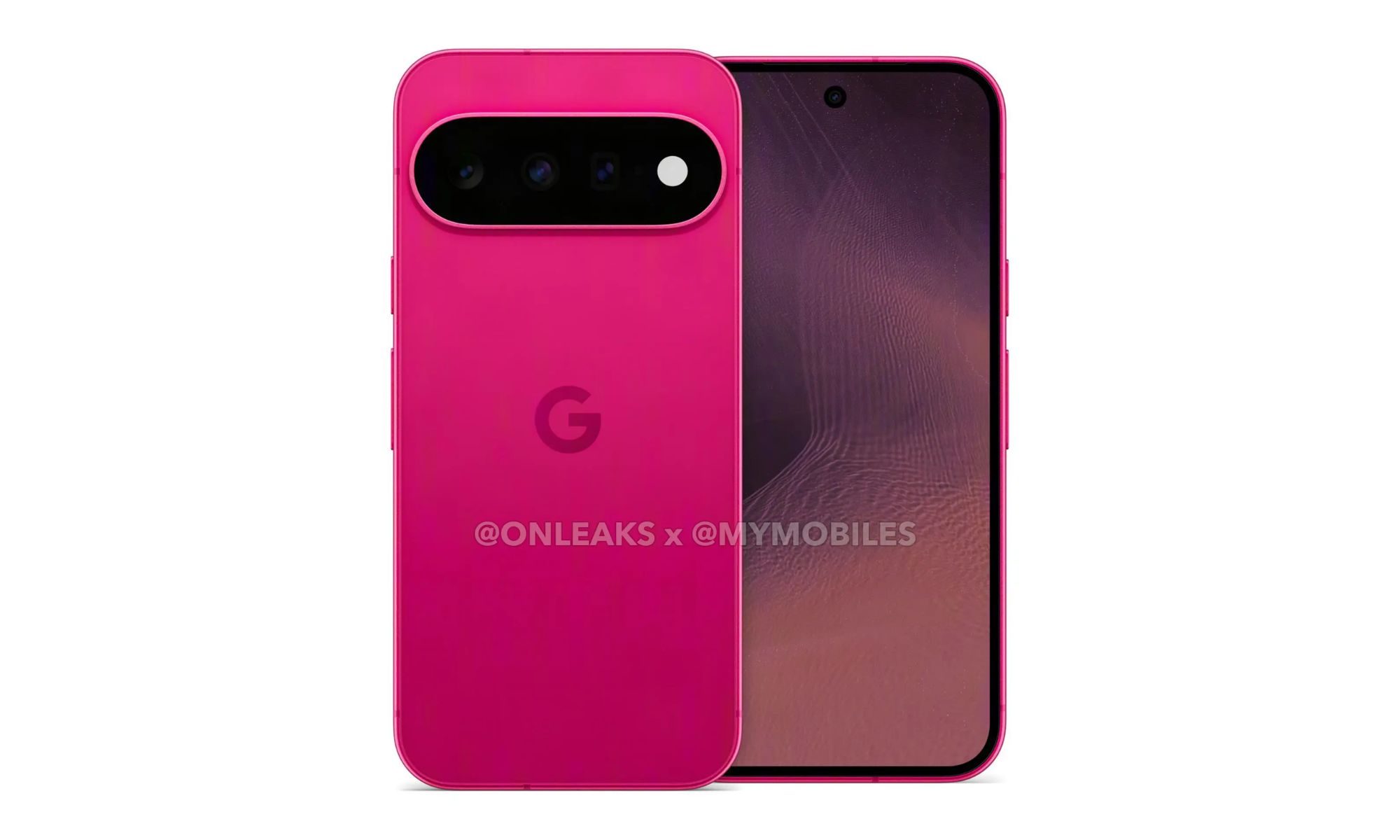
Google's Pixel launches have become increasingly difficult to keep under wraps, and the Pixel 11 series appears to be no exception. Weeks before Google's scheduled August 12 launch event, a fresh leak has revealed what is claimed to be the complete set of official press renders for the Pixel 11, Pixel 11 Pro and Pixel 11 Pro XL, showcasing every colour option across the lineup.

The renders, published by MyMobiles in collaboration with tipster OnLeaks, offer what is arguably the most comprehensive look yet at Google's next flagship family. If authentic, they not only confirm earlier design leaks but also reveal Google's colour strategy for 2026, including a vibrant Fuchsia finish for the standard model and a new copper-inspired "Dune" variant for the Pro series.

Read more
Galaxy Z Flip 8 vs. Motorola Razr Ultra (2026): Samsung’s flip phone is cheaper, but is it better?
One flip phone wins on value. The other wins on hardware.
Electronics, Phone, Mobile Phone

Flip phones have quietly become one of the most competitive corners of the smartphone market. It provides buyers with a satisfying folding snap, reducing the footprint to half the original size, and that’s the entire point. Motorola never really left the format after reviving the Razr name, while Samsung has spent generations treating the Flip line as its scrappy, budget-friendlier sibling to the Fold. 

This year, though, the gap between the two camps has narrowed to the point where picking a winner requires genuinely reading the spec sheet and learning about the phones before putting your money into one. One phone leans hard into raw display firepower, while the other leans into a deeper software ecosystem and a friendlier price tag. 

Read more