After a long wait filled with leaks and rumors, the OnePlus 13T has officially made its debut in China. It’s a smaller, more compact alternative to the main OnePlus 13 lineup, and despite initial guesses, it’s called the 13T — not the OnePlus 13 Mini. It’s a smaller phone for those that prefer subtle devices over pocket-busters, but that doesn’t mean it lacks power.
Unlike devices like the now-defunct iPhone Mini, the OnePlus 13T doesn’t sacrifice power for size. It’s currently only available in China, but there is hope for a global launch. Here’s everything you need to know about the latest handheld from OnePlus.
OnePlus 13T: global launch date and price

The OnePlus 13T launched in China today, and although a global launch is largely expected, it hasn’t been confirmed. There is no official word on when or if the smaller handheld will make its way to the United States or other markets. That said, OnePlus tends to release its devices globally within a few months of the Chinese launch.
Without knowing whether the phone will release in other areas, all we can do is guess at the price. That said, its price in China is enticing: just CNY 3,399, which is roughly $470 for the base model. That’s not bad at all, although western pricing could be more due to the ongoing tariffs.
OnePlus 13T: design and display
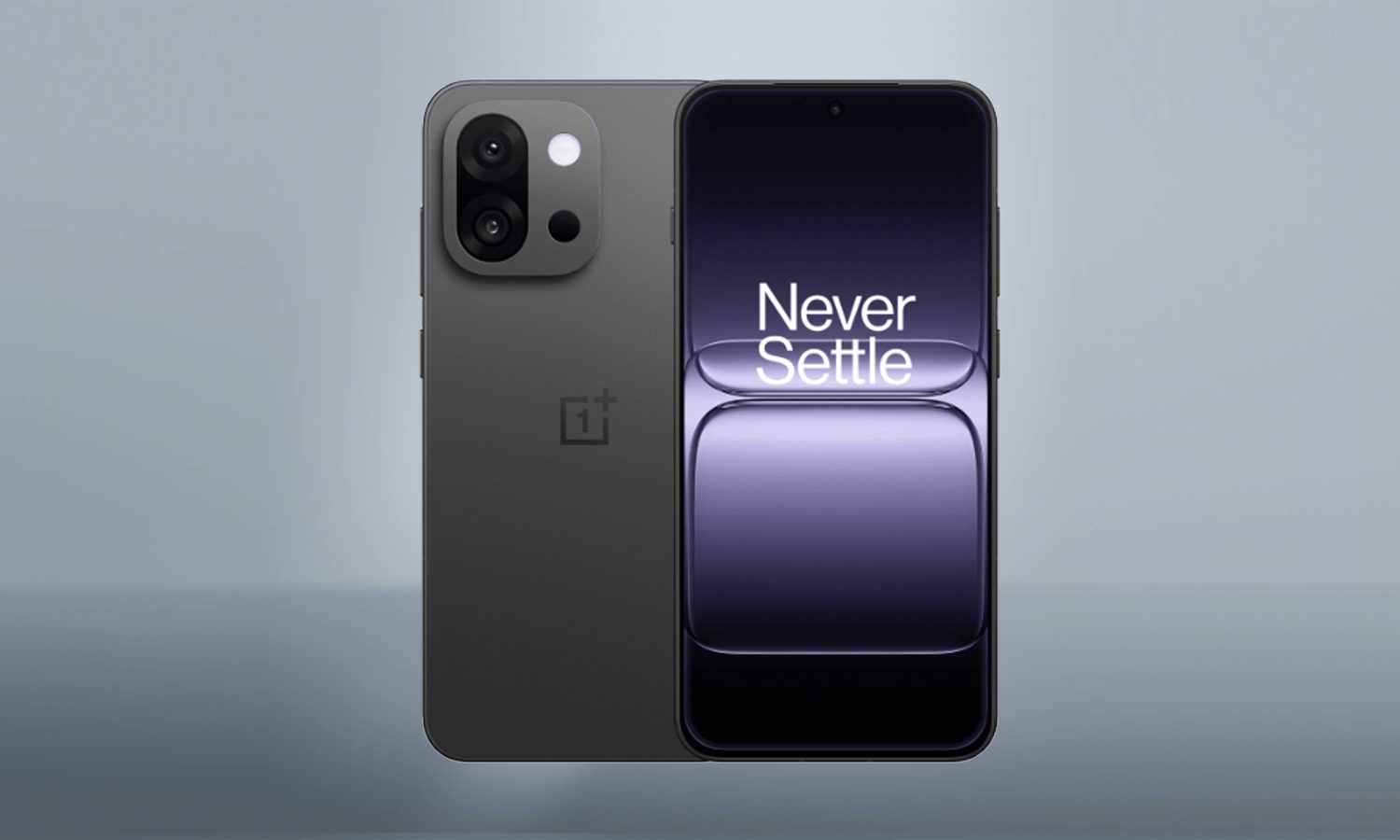
In terms of overall design, the OnePlus 13T isn’t a drastic departure from the rest of the OnePlus 13 lineup, but there are a few notable changes. The biggest and most surprising is loss of the alert slider. The slider has been a part of the OnePlus brand since the first device launched in 2014, so it’s a big change. Taking its place is a shortcut button that can be programmed to perform specific tasks, suggesting this might be a permanent change for all OnePlus phones going forward.
It has a screen size of 6.32 inches versus the 6.82 inches of the OnePlus 13. That’s still large in comparison to other devices (even an iPhone 16 is only 6.1 inches), but it is notably smaller for OnePlus. The phone is also an ounce lighter than the OnePlus 13 at 185 grams.
The AMOLED display has a 120Hz refresh rate, 1,600 nits peak brightness, and has Crystal Shield Glass to give it an edge against drops and scratches. There’s also an in-display fingerprint scanner and Face Unlock available, so no need to worry about it lacking modern conveniences.
OnePlus 13T: specs

The OnePlus 13T is literally just a smaller version of the OnePlus 13, at least as far as internal specs are concerned. It has the same 4.32GHz processor, the same 12GB/16GB of RAM, and the same 256GB/512GB internal storage. On this front, the two phones are identical.
OnePlus 13T: battery

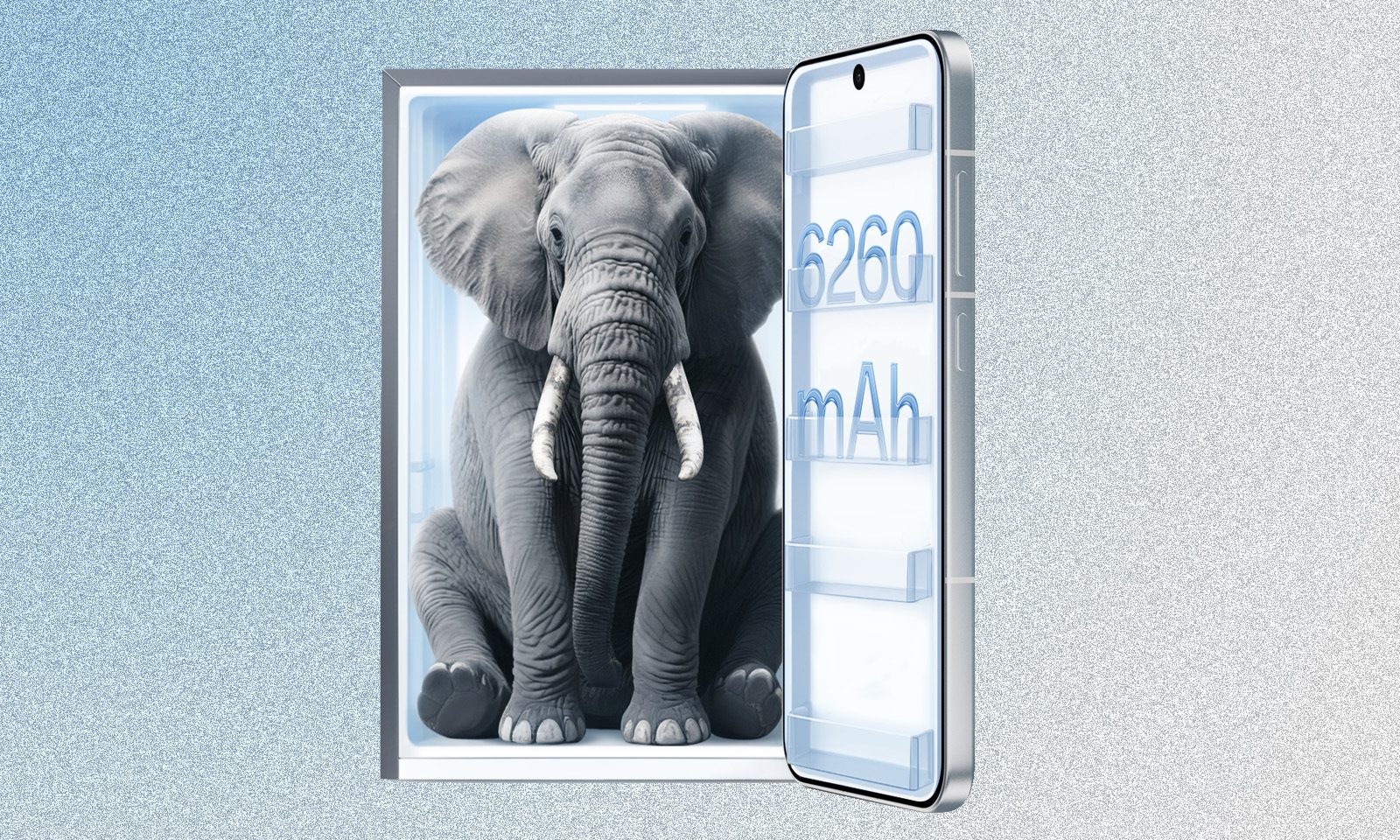
Battery size is where the compact phone stands out. You might think it would have a smaller battery because of its tinier frame, but the opposite is actually true. It’s powered by a 6,260mAh silicon-carbide battery — bigger than the OnePlus 13’s 6,000mAh battery — and charges at speeds up to 80W through the SuperVOOC charging system.
And despite its thin size, OnePlus has somehow managed to cram a 4,400mm square vapor chamber into the phone to help manage temperature, especially if you’re pushing the phone to its limits.
OnePlus 13T: cameras
The OnePlus 13T doesn’t slouch in terms of cameras, either. It has two 50MP rear lenses, one for the main camera and another for the telephoto camera. It also has a 16MP selfie cam on the front. However, OnePlus hasn’t made mention of Hasselblad tuning, so it isn’t clear whether the cameras are quite on-par with the OnePlus 13.