1. Home
  2. Emerging Tech
  3. News

Washington becomes the latest state to seek ban of flavored vaping products

Add as a preferred source on Google

Following 12 recent deaths and hundreds of illnesses that are being blamed on vaping, Washington State Gov. Jay Inslee is seeking to impose an emergency ban on flavored e-cigarette products. The state would join Michigan and New York in banning flavored products, while Massachusetts has halted all sales of e-cigarettes for four months.

The Washington ban includes products that contain THC. “If I had a loved one, I would just tell them you’re playing dice with your lungs,” Inslee said, according to the Seattle Times.

Recommended Videos

Because the Washington State Board of Health doesn’t meet until October 9, Inslee’s executive order won’t go into effect until the board uses its emergency power to enact the ban.

The Centers for Disease Control is investigating the causes of the lung injuries, and it said Friday that most of them have been linked to THC capsules. The deaths have occurred in 10 states, while 804 cases of vaping-related lung illnesses have been reported in 46 states and the U.S. Virgin Islands.

“Based on this recent data, the CDC recommends people consider refraining from use of e-cigarette or vaping products, particularly those containing THC,” the agency said Friday.
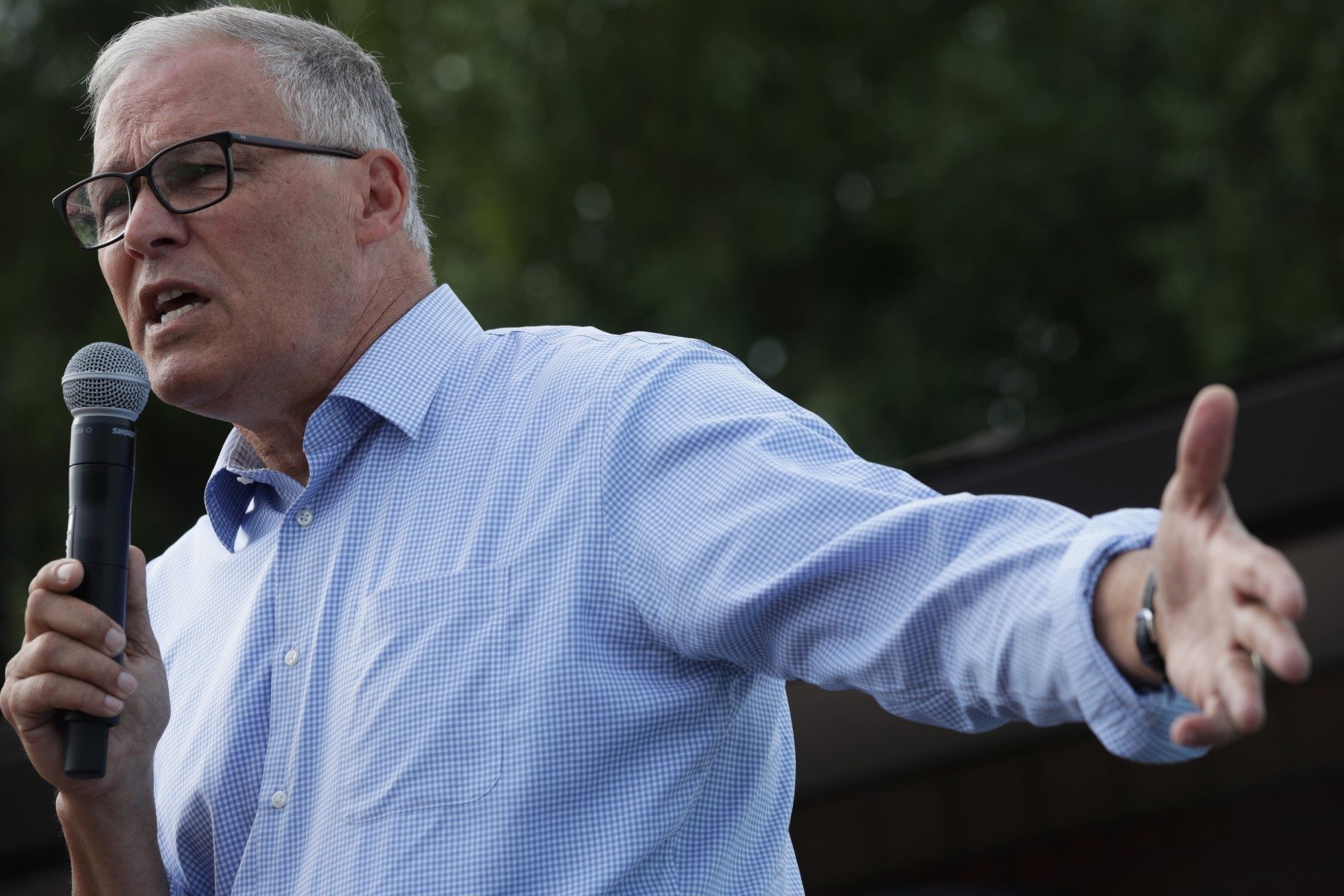
Washington Governor Jay Inslee
Alex Wong / Getty Images

The CDC still isn’t sure exactly what is causing the outbreak. Part of the difficulty is patients who’ve been diagnosed with the lung problems report using a variety of products and substances, making it difficult to narrow down the culprit, if it is only a single one.

Earlier this month, President Donald Trump held a press conference about the recent outbreak of illnesses, and his administration has proposed a nationwide ban of flavored e-cigarettes.

“Not only is it a problem overall, but really, specifically, with respect for children,” he said. “We may very well have to do something very, very strong about it.”

On September 25, Kevin Burns stepped down as CEO of Juul Labs. The popular e-cigarette company — the single biggest e-cigarette manufacturer in the country — announced that it was suspending all print, broadcast, and digital advertising in the U.S. amid the lung injuries and concerns about teen vaping.

Federal authorities have also announced a criminal investigation against Juul. The Federal Trade Commission (FTC) and the Food and Drug Administration (FDA) are also investigating, An FTC probe is looking into whether Juul’s marketing targeted minors.

Jenny McGrath
Former Senior Writer, Home
Jenny McGrath is a senior writer at Digital Trends covering the intersection of tech and the arts and the environment. Before…
Yet another study says AI is bad for elections, and the rabbit hole gets worse
AI may be an election bomb waiting for someone to light the fuse
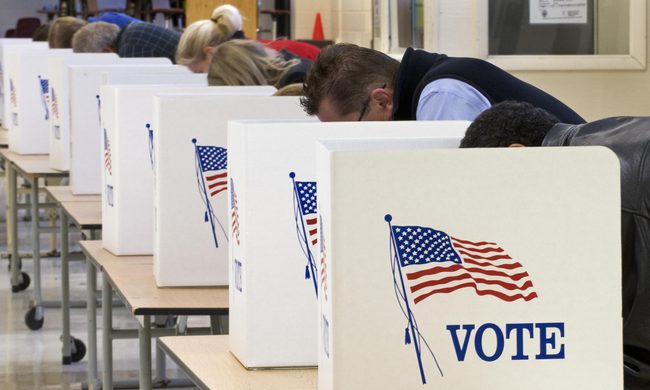
Voters cast their ballots on Election Day

Another election, another study has concluded that asking an AI chatbot for political guidance is a spectacularly bad idea. Research conducted during Hungary’s 2026 parliamentary election found that ChatGPT and Google Gemini offered not just inaccurate but also inconsistent and unreliable voting advice. The chatbots misclassified voter profiles, overlooked relevant parties, recommended parties absent from the ballot, and sometimes produced materially different answers when given the same information repeatedly.

AI keeps failing the voter test

Read more
Samsung’s humanoid robot ambitions are real, but factories come first
Samsung’s new robotics division has humanoids in its sights, although its immediate business is far more practical factory automation
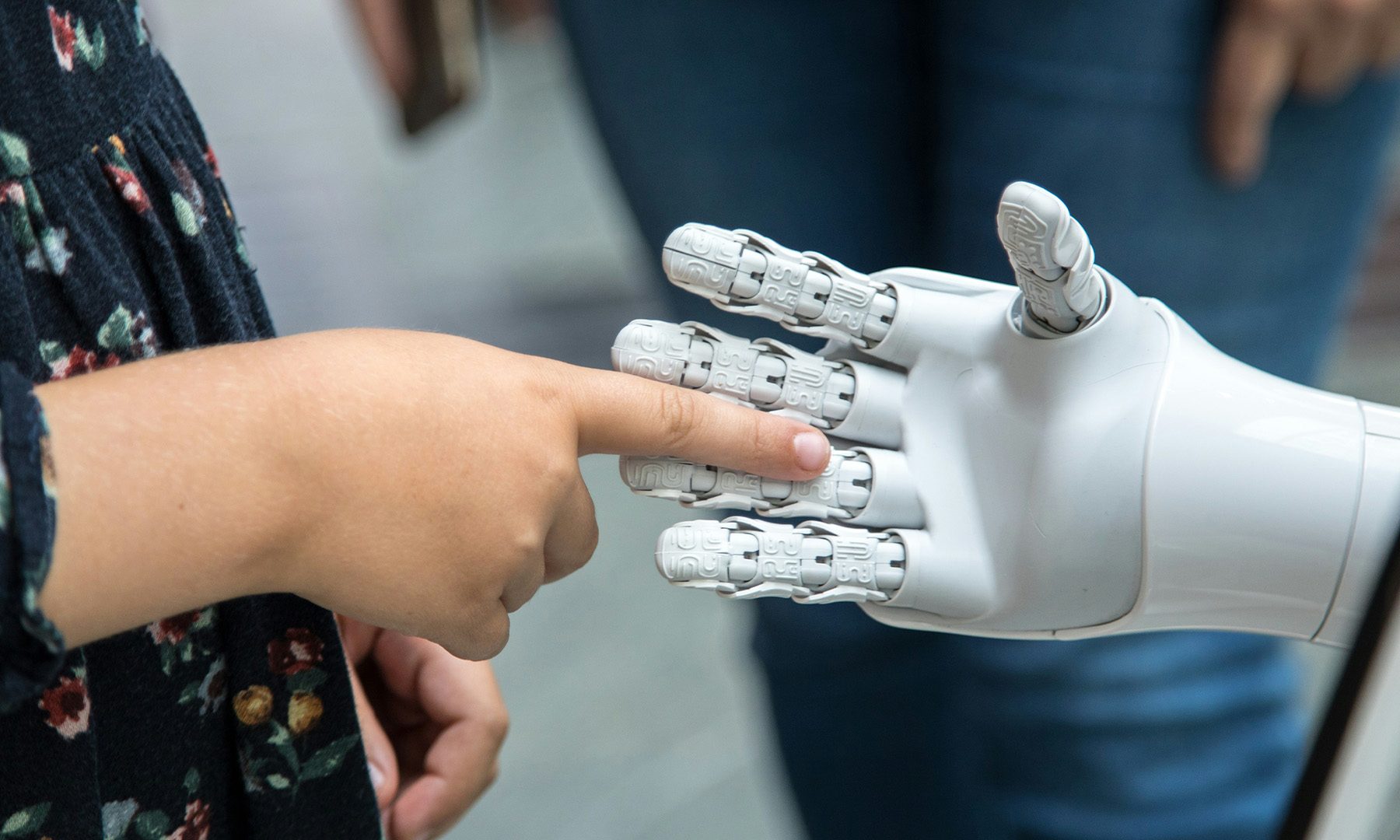
Robot Touch Human Finger

Samsung wants a place in the humanoid race, but its new robotics push begins with machines built for factories rather than homes.

The CEO-led RX robotics division will initially focus on manufacturing robots. Samsung has separately identified humanoids as a priority, although it hasn’t announced a commercial model or explained where one fits into the division’s immediate plans.

Read more
The future of AI may depend on this one behind-the-scenes change
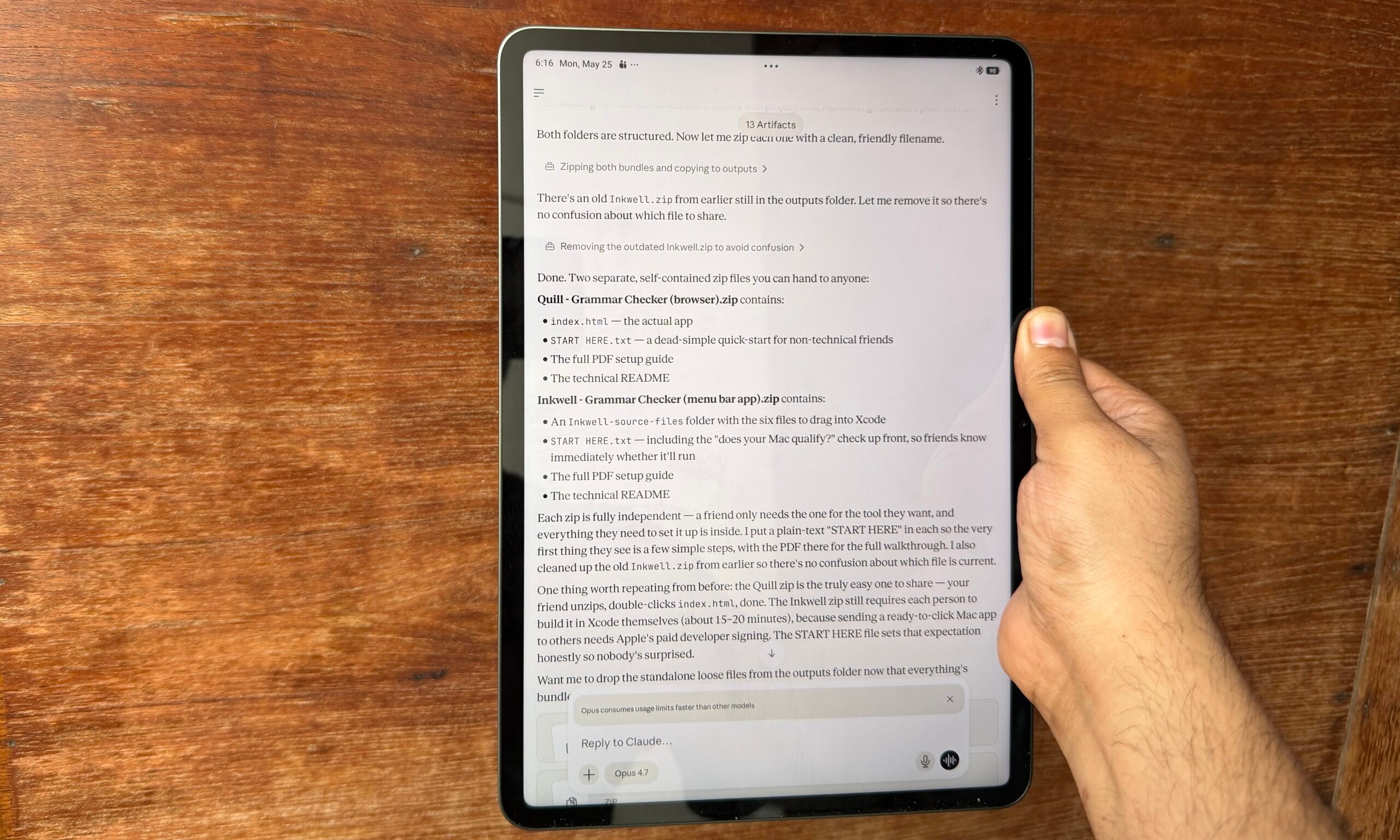
Running Claude on Android.

Whenever a new AI model arrives, it's easy to get caught up in the bells and whistles. We talk about how much smarter it is, how quickly it answers questions, or how realistic its images have become. But here's the thing: none of that matters much if the AI can't reliably work with the apps and services people use every day.

That's why an upcoming update to the Model Context Protocol (MCP) caught my attention. It isn't a new chatbot or a fancy AI model. In fact, most people will never even know it's happening. But it could quietly make the AI ecosystem a lot healthier. If you've never heard of MCP before, don't worry. Think of it as a shared language that lets AI assistants safely talk to apps like Gmail, Slack, calendars, databases, and countless other services. Instead of every company inventing its own way to make those connections, MCP gives everyone a common rulebook.

Read more