When it comes to phones, it would be easy to consider Samsung as the best simply because of its sheer scale. However, look beneath the surface, and you’ll see a bubbling sense of competition. Samsung has failed to innovate and increase its healthy advantage, and the door is open for at least one company to provide a sustained challenge.
Google wants to be that company, and while I think there are better phones in certain categories, Google is the only phone maker that can compete with Samsung at every level. Samsung’s success comes from an ability to spend lavishly to reach its customers, and Google is the only company that can operate at that scale.
I’ve been critical of Google Pixel phones for years, but this year’s Pixel 9 series surprised me. It’s that good. The Google Pixel 9 Pro could easily be the only Android phone I use, and I wouldn’t miss other devices too much. However, a good product isn’t enough to compete with the might of Samsung and Apple.
For Google to become the third dominant phone maker in the U.S. market, it still needs to make a few improvements. Here’s how Google can finally take the fight against Samsung on mobile next year.
Build a Google Pixel Ultra
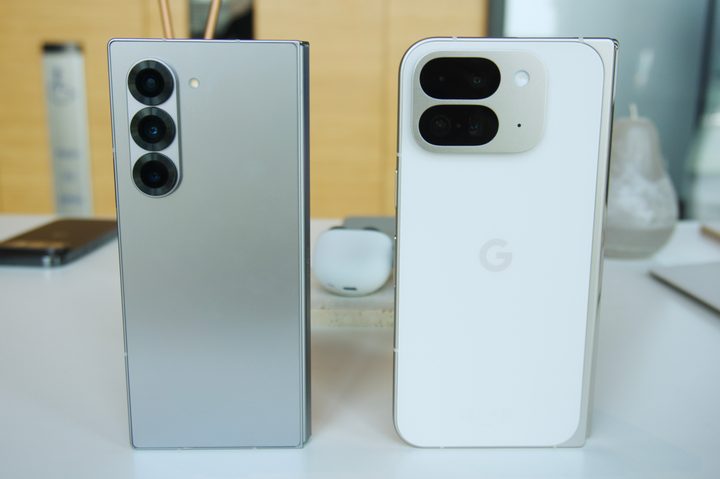
I think Google has to build a Pixel 10 Ultra or differentiate the Pixel 10 Pro XL from the 10 Pro by adding a more enhanced zoom. The Pixel 9 Pro camera is perfectly fine at shorter zoom lengths, but it doesn’t compare to what Samsung has achieved with the Ultra’s second telephoto sensor.
A Pixel Ultra needs to go beyond just a second telephoto lens. Far too many companies use the term Ultra for one extra camera, but Samsung tries to differentiate it further with the S Pen, a bigger display, and an overall more advanced experience. Hey, Google, is that the best you can do?
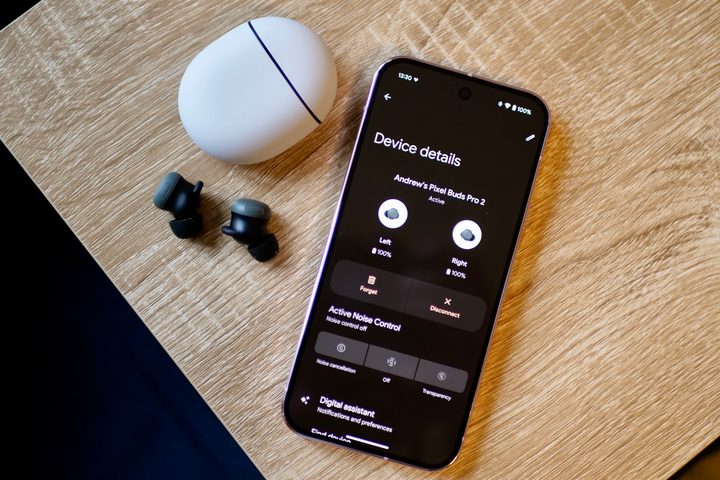
My wish list is simple: take the Pixel 9 Pro and add a better processor, an additional telephoto lens, and better battery life. I’d love stylus support, but that isn’t likely to happen. Regardless, Google has finally found a Pixel formula that works and can turn its harshest critics into fans. The missing link is the Pixel Ultra.
For Google to truly challenge Samsung, it must compete at every level. The rumored Google Pixel 9a covers the Galaxy A series, and the Pixel 9 Pro and 9 Pro XL cover the Galaxy S24 and Galaxy S24 Plus. The Pixel 9 Pro Fold proves that Google can beat the Galaxy Z Fold 6, so now the challenge is to cater to the ultra-premium segment and take on the rumored Galaxy S25 Ultra. After the Pixel Ultra, I also hope Google wades into the flip phone space. There needs to be a third player in that realm, although the Moto Razr Plus will be tough competition for anyone.
Lean heavily into Made by Google
I judge a phone’s viability in the marketplace by its familiarity to my friends and family. Far too many people live inside the tech bubble, but the success of Samsung is in its ability to appeal to those outside the bubble. It’s taken over a decade, but a Samsung launch can — or at least used to — create the same level of buzz as Apple.
Google, on the other hand, doesn’t. Well, it didn’t use to, but the Pixel 9 launch was a milestone for the company. It’s the first time I’ve seen Google phones generate this much interest, and the subsequent positive reviews of the Pixel 9 Pro XL and Pixel 9 Pro Fold only helped to boost the momentum.
Part of this is due to Google increasing its marketing spending. It’s still orders of magnitude less prevalent than Samsung or Apple, but there are more commercials related to the Pixel 9 series than I’ve seen before. There are also more advertisements around Google products and services as a whole, but to compete with Samsung, Google needs to step it up.
Improve carrier partnerships
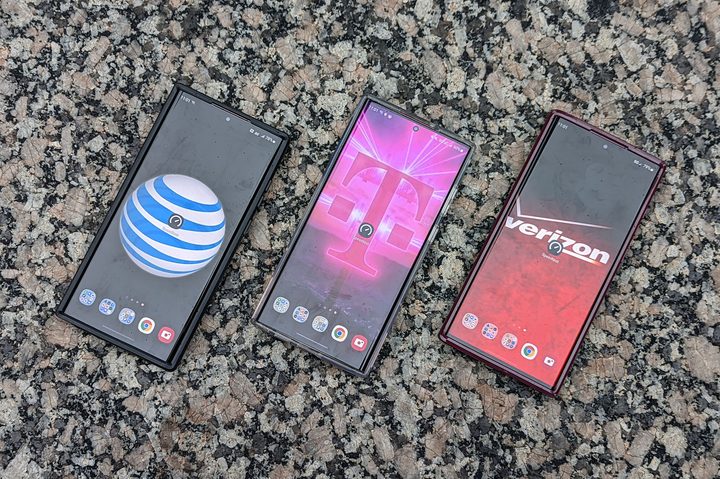
This is arguably the biggest issue for Google: its carrier partnerships. Apple proved to be the master of these arrangements, with the first iPhones exclusive to AT&T in the U.S. and O2 in the U.K. These deals helped increase the exclusivity of the iPhone and revealed consumer buying patterns that continue to this day.
Breaking into the carrier market is extremely tough for many reasons. First, there’s the need to adhere to a whole set of regulations and requirements to be certified for a carrier, with each carrier differing in their needs. Samsung has proven that it’s not just Apple that can establish lasting partnerships, and Google needs to do the same. The Pixel 9 series is widely available at all three carriers, but AT&T chose not to stock the Pixel 9 Pro Fold at launch. There were also considerable delays in shipping products due to a lack of inventory, which shows that Google still has a few kinks to work out.
Samsung has proven fairly reliable with delivering on or before the release date — although Apple still leads the way here — but Google’s launches are usually far more chaotic. Often, you won’t get the device when expected; from personal experience, having served customers for a decade in retail, I know that this will dampen any customer’s enthusiasm. This begins to sow doubt, especially if the product isn’t also widely available through carrier channels.
Make Gemini more personal
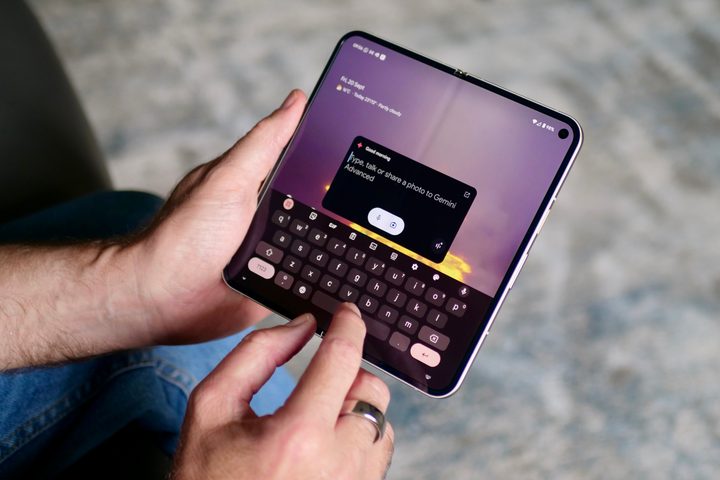
Gemini and its Android features played a significant role in this year’s Pixel 9 launch. Like every phone released in 2024, AI was the only buzzword that mattered. Alongside of offering a year of the Google One AI bundle — otherwise valued at $20 per month — the Pixel 9 series was billed as the phone built for Gemini.
It foreshadowed Apple’s approach to the iPhone 16, the “first phone made for Apple Intelligence.” It also isn’t a great comparison for Google; as great as Gemini is, it hasn’t memorably improved my life. Meanwhile, Apple Intelligence has; AI-powered Notification Summaries is the AI feature that I’ve been waiting for.
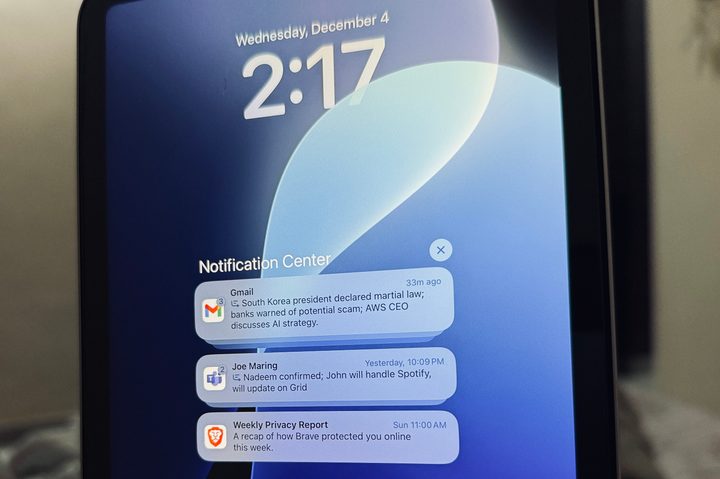
Apple chose to launch Apple Intelligence with an extended rollout through the second quarter of 2025, but Google chose to focus on the features that are available now. Google I/O — and the next Pixel launch — need to focus not on the generative AI capabilities of Gemini, but rather all the ways it can improve your daily life.
One area to improve could be how Gemini integrates with apps. Gemini is still an overlay that works after you enable it, whereas Apple Intelligence can recall information across your whole suite of apps. Google has the necessary capabilities to make Gemini on Android a must-have feature.
All eyes on Mountain View in 2025
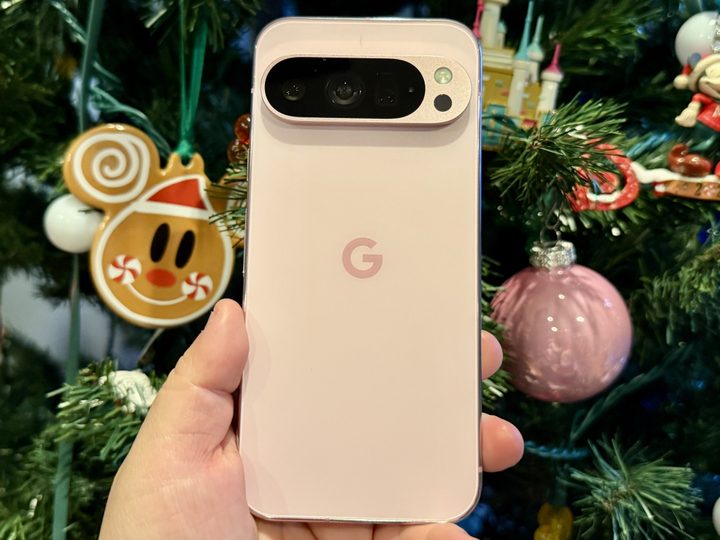
The Pixel 9 Pro is the best Google phone I have ever used, and Google surprised me with just how improved it is. Google is my pick for the phone maker of the year, and the real question is whether Google can carry this into next year. Surprisingly, I’m hopeful that it can.
Next year, we will see the launch of the Pixel 10 series, but despite it only being nine years since the first Pixel was launched, the naming convention suggests it will be a big launch for Google. Expanding the Pixel lineup, announcing deeper carrier partnerships, and revamping Gemini are just some of the ingredients needed to make the next Pixel series even bigger.