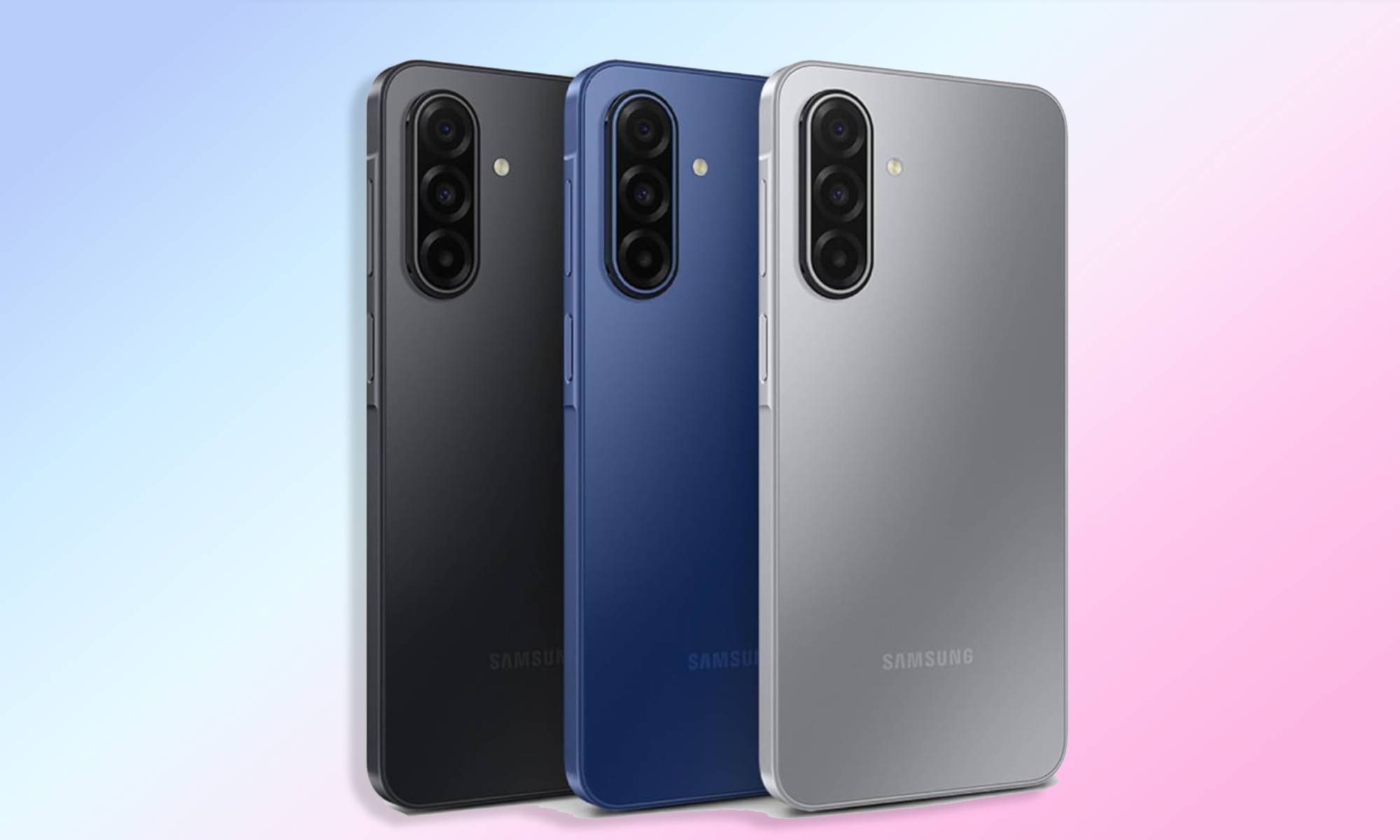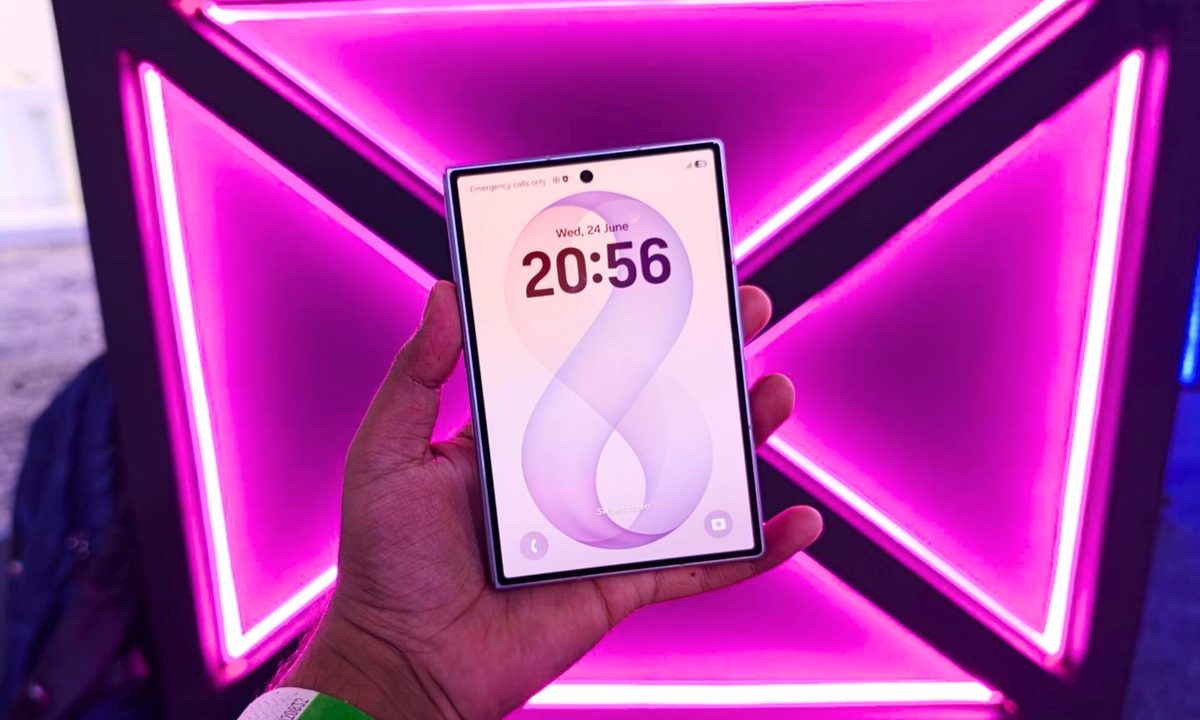
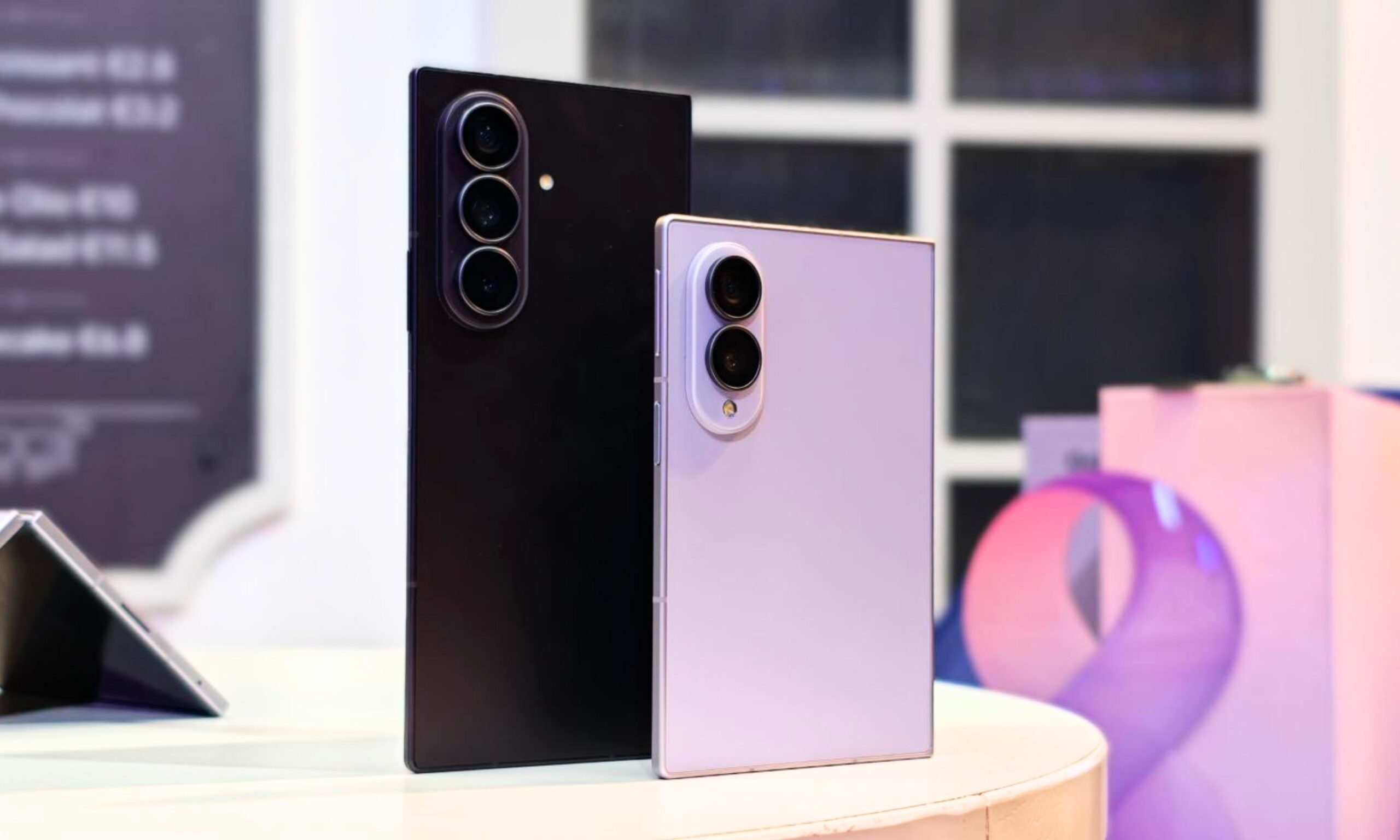
Samsung is trying to jazz things up once again in the foldable space, and the mantra this time around is going smaller and lighter. The result of those efforts is the Galaxy Z Fold 8, and it’s the first time in years that I vocally said “wow” the moment I picked it up. It’s pocketable, light, sleek, and most importantly, oozes functional charm.
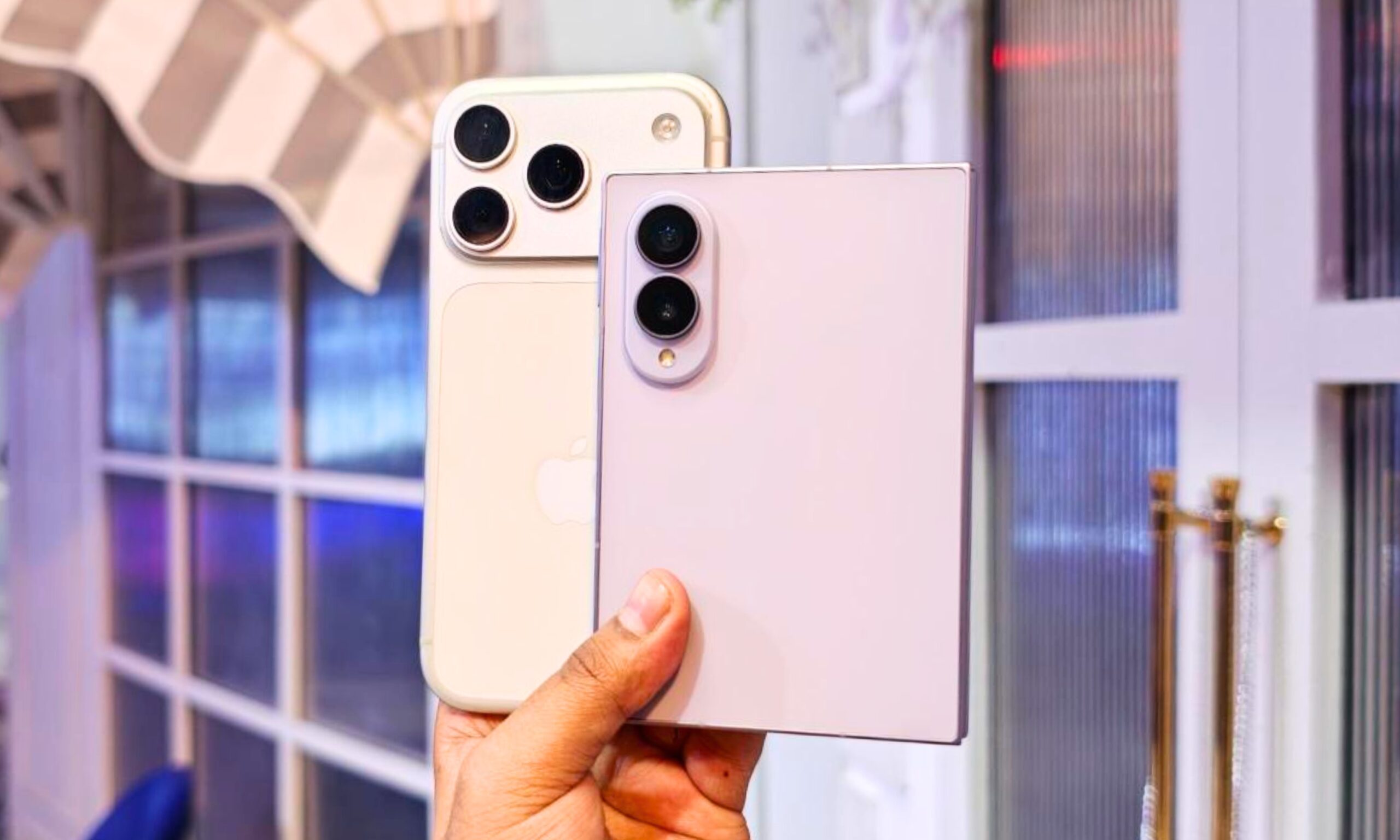
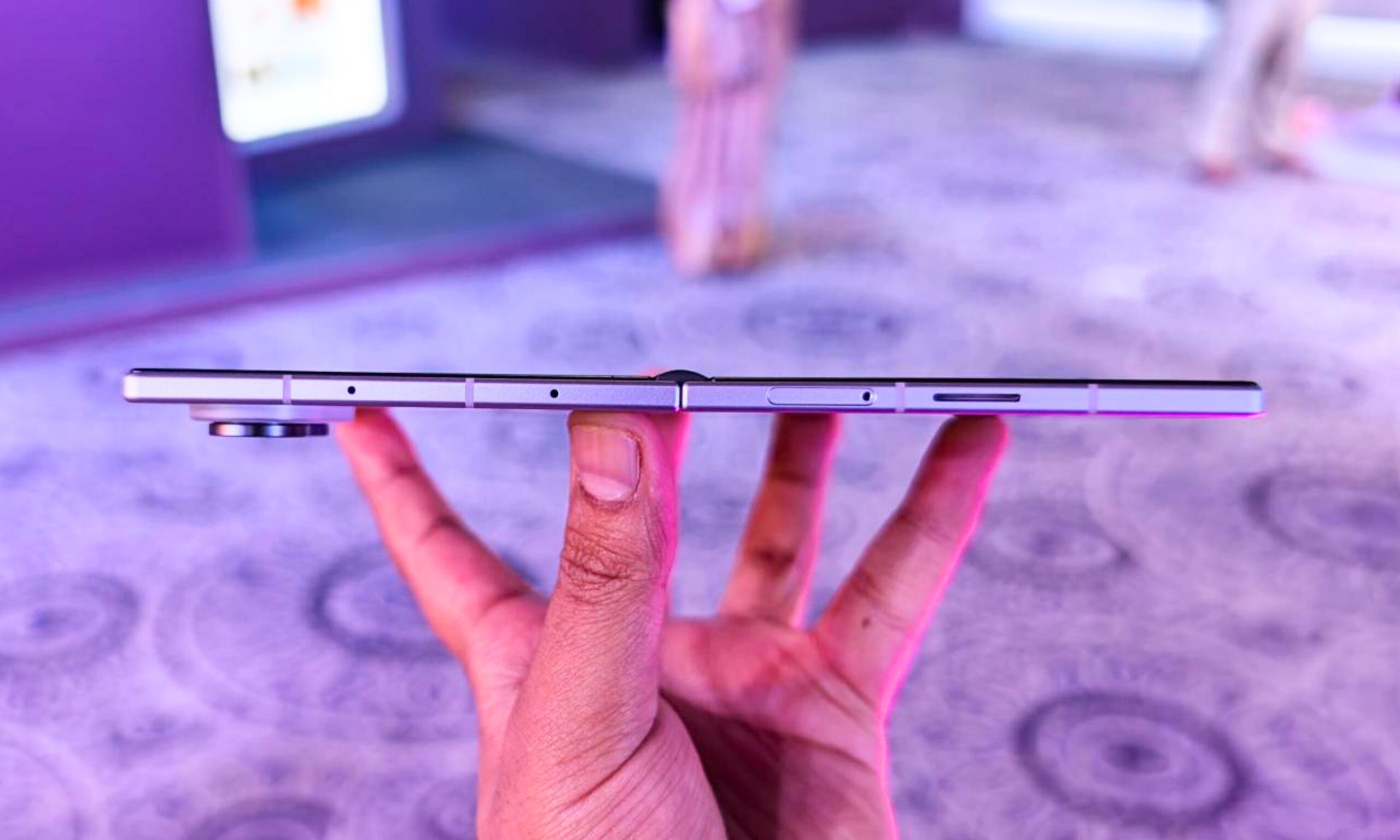
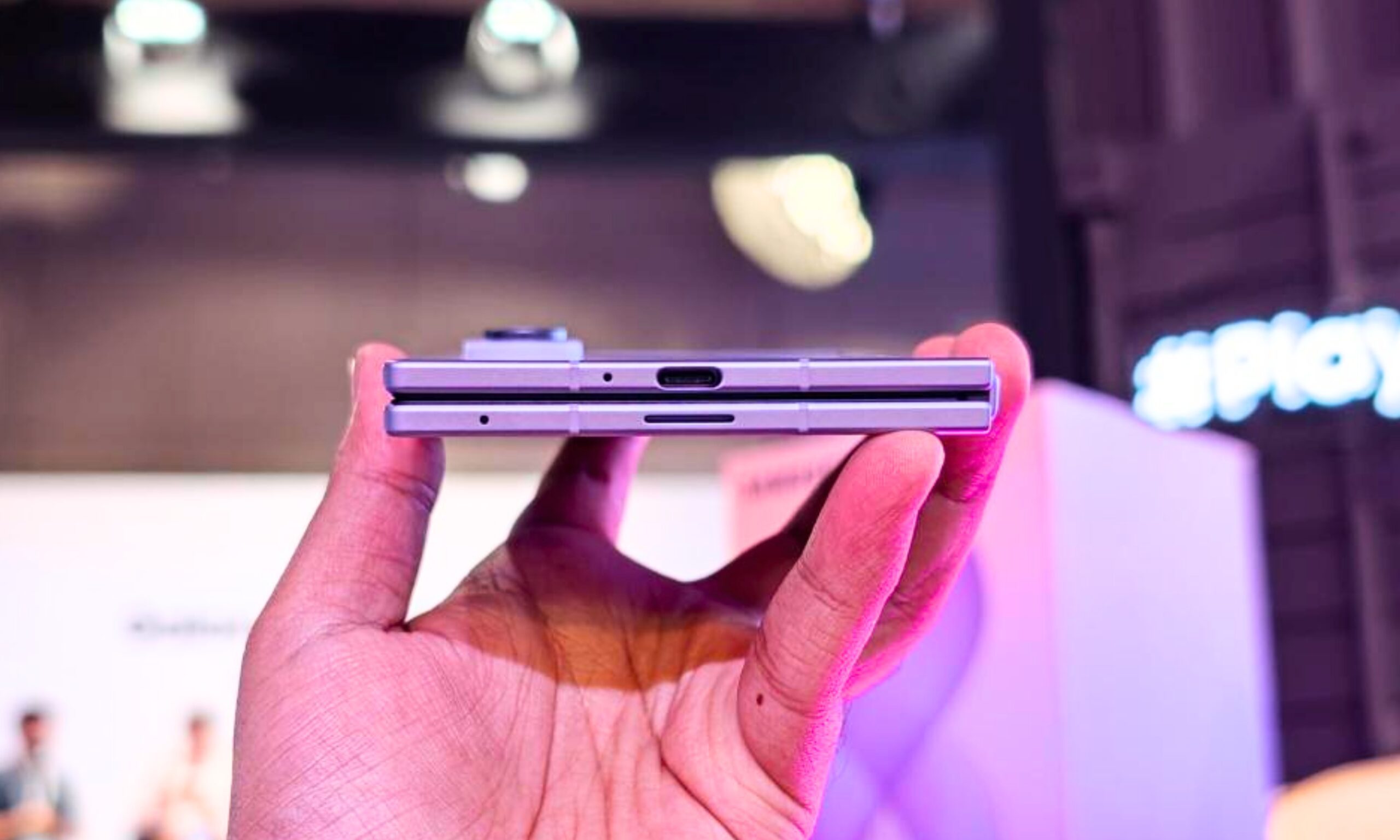
Just take a look at how petite it is when held alongside a modern-age iPhone. In an age when smartphones are getting thicker and bulkier, the Galaxy Z Fold 8 wants to stand out in a rather unique fashion. Even in the unfolded state, it’s less than a millimeter thicker than an iPhone 17 Pro (9.7 vs 8.75 mm). If you compare the weight, the comparison flips in its favor. The Galaxy Z Fold 8 is lighter than even the smaller iPhone 17 Pro (201 grams vs 204 grams).
This is the foldable that finally feels pocket-friendly
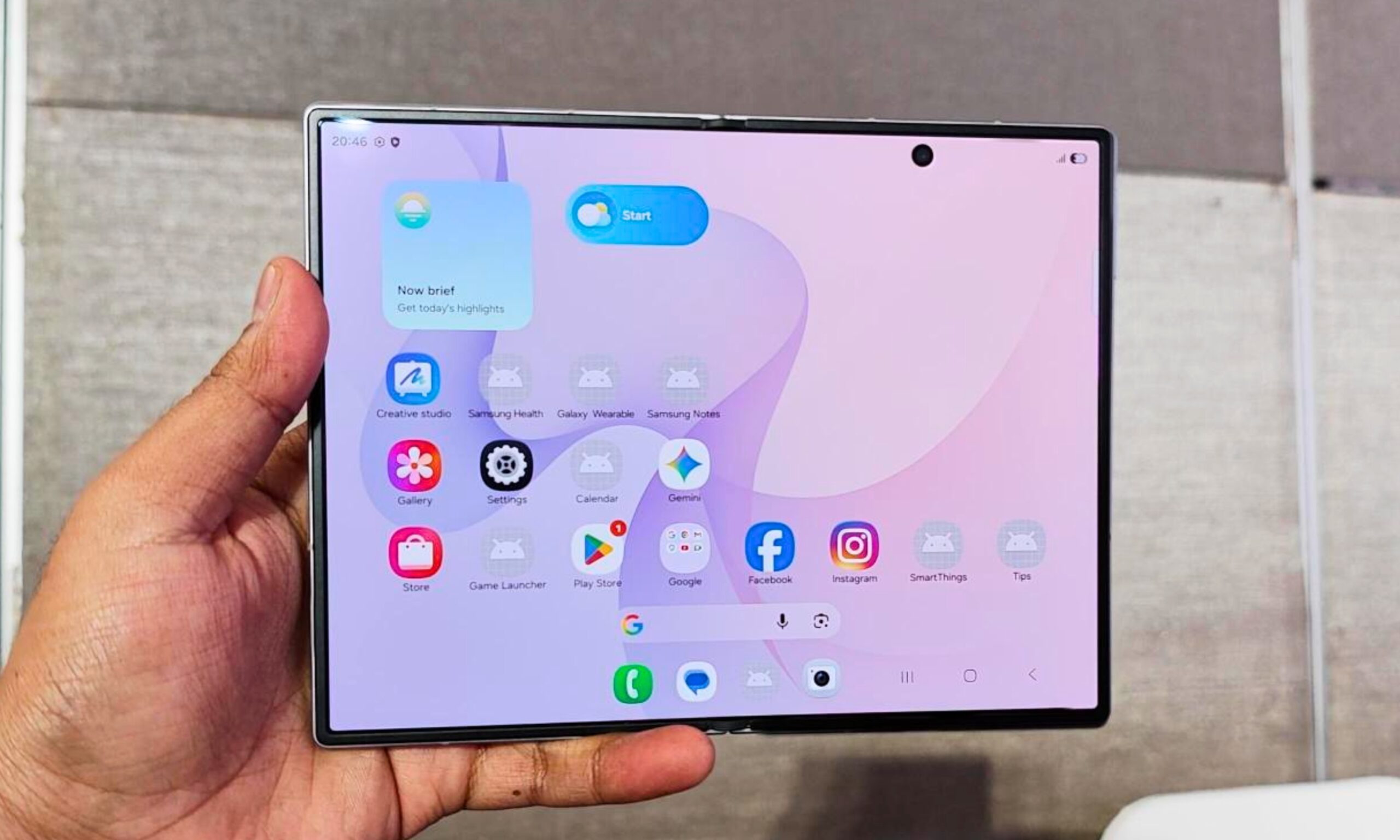
The difference may not seem huge, but the Galaxy Z Fold 8 packs two screens. But that’s not even the big novelty here. It’s the format that makes this one special. One instant, you have an utterly palm-friendly compact screen in your hands. And as soon as you unfold it, the phone gives you access to a sharp 7.6-inch screen with a 4:3 aspect ratio.
That 4:3 number is nothing short of a boon. Everything feels naturally spread out on the inner flexible screen. It’s wider and more naturally suited for content, whether it’s films, books, or games. You don’t see ugly black bars or have to deal with a forcibly stretched perspective to fill the screen.
Samsung is not shy about that appeal either. It is “designed around the way people naturally consume content,” says the company.
The 4:3 display changes everything
You see, typical book-style foldable phones are usually tall, thick, or adopt a square-ish look, which means letterboxing persists, or content is chopped off. You either see those unforgiving black bars while watching videos, or have to sacrifice content real estate in games and videos. The Galaxy Z Fold 8 is an antidote to those viewing problems, and it does so in style.
There is another underrated side to it that Samsung didn’t discuss, but it’s equally important. The cover display is just 5.5 inches across, and thanks to its wider 10:16 aspect ratio, it feels even smaller in the hand.
Even the iPhone 15, which is supposedly deemed one of the last compact phones from a mainstream brand, features a 6.1-inch panel, while its successors have moved to an even bigger panel.
A small outer screen, and that’s actually a good thing
And yet, it’s not just the smaller panel size that stands out on the Galaxy Z Fold 8. It’s the overall smaller footprint, as well. Technically, everything looks great and loads just fine on this screen. But thanks to the petite vertical screen real estate, dopamine-inducing content, such as TikToks and vertical social media content, doesn’t feel as immersive.
If you look at the digital detox and minimalist phone community, you’ll see a pattern. Smaller screens and weirder aspect ratios. The idea is to broadly make the “addictive” multimedia content appear less appealing so that you spend less time consuming it.
I love it, irrespective of whether Samsung was on the same minimalism page as me or not.
Less screen, fewer distractions
The engineering, otherwise, is impeccable. It’s unbelievably slim, light, and easy on the eyes. And oh, it’s blazing fast, too. Both screens are 120Hz type, which means all user interactions feel super fluid. Under the hood, you get Qualcomm’s top-shelf silicon, fast 45W wired charging, and a pair of 50-megapixel camera sensors at the back.
It’s the whole flagship foldable package, just in a different form factor. Yes, the asking price of $1,899 is a tough pill to swallow. And compared to what Chinese brands (or even a US label like Motorola) have to offer with the Razr Fold, the Galaxy Z Fold 8 might feel underequipped in a few key departments, such as the camera hardware. In hindsight, no phone is cheap these days, or stays that way, thanks to the AI-triggered industry-wide crisis.
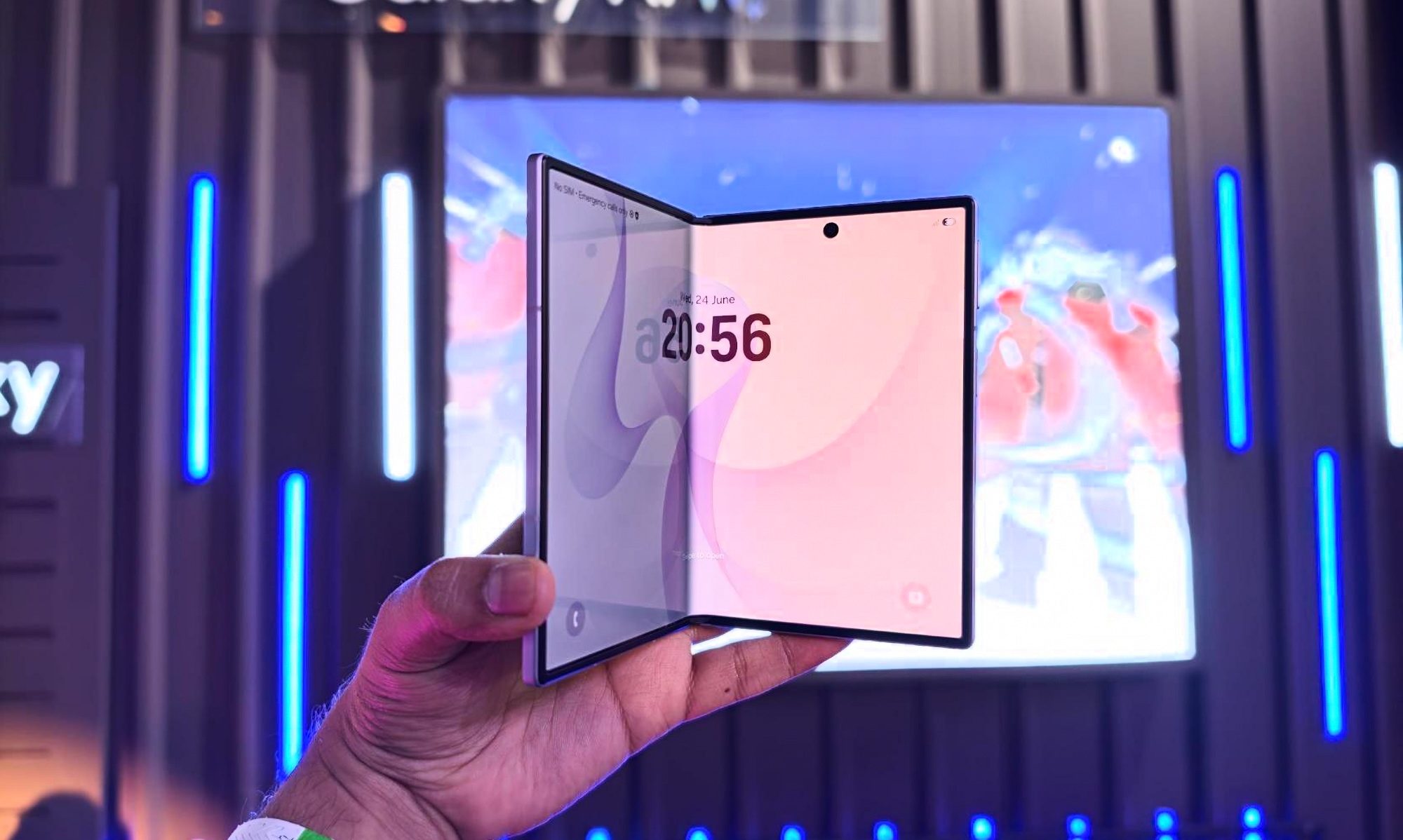
Here’s the bottom line, though. The Galaxy Z Fold 8 is the right Samsung foldable to buy this year. It’s fresh, bold, sturdier, faster, and more importantly, a functionally rewarding evolution. It might miss out on the razzle-dazzle of a 200-megapixel camera that you get on the Ultra sibling (for $200 extra), but that’s the end of it. It’s the most refreshing and refined foldable hardware I’ve seen in years, and I can’t wait to explore it. Stay tuned for the review!