1. Home
  2. Phones
  3. Mobile
  4. News

October 15 could be the day Android fans have been waiting for

Add as a preferred source on Google
Private Space option in app library of Android 15.
Private Space is one of the best features on Android 15. Nadeem Sarwar / Digital Trends

The official release of Android 15 has been delayed way longer than anyone expected, but we can finally see the light at the end of the tunnel. According to a report from Android Headlines, the next version of Android will hit the market on October 15.

This is a marked departure from how Google has handled the launch in the past. Typically, the latest version of Android releases with the latest version of the Pixel, but that wasn’t the case this year with the August release of the Google Pixel 9. In a way, Android 15 is releasing at its usual time; the Pixel was just early.

Recommended Videos

Google pushed Android 15 to the Android Open Source Project, or AOSP, earlier this month. That usually heralds an imminent release. As for why it’s releasing on the 15th — a Tuesday — instead of on Monday, is likely due to Columbus Day, a national holiday in the U.S.

Android 15 is coming with a load of new and useful features that will improve the overall user experience, including performance improvements, better PDF usability, notification cooldowns, and even partial screen sharing.
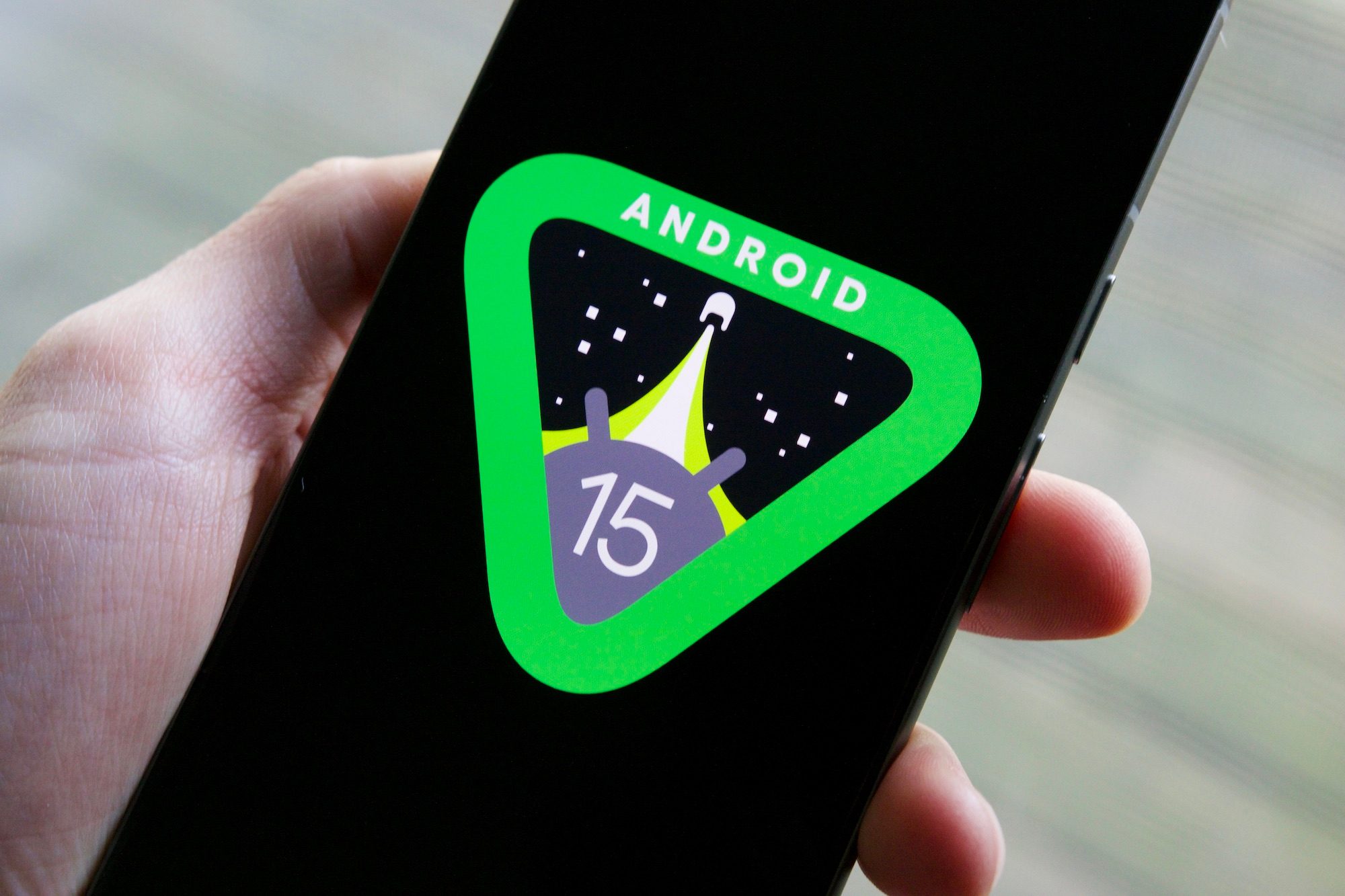
Android 15 logo on a Google Pixel 8.
Joe Maring / Digital Trends

The new operating system will work with the Pixel 6 and later devices, which also makes this the first Android update that’s restricted to Tensor-based Pixels. If you’re still using an older-model Pixel, then you won’t qualify for this update.

The idea is that since the update has taken longer to launch, it’s been under more scrutiny, and as such, should theoretically have fewer bugs. Whether that actually plays out, though, remains to be seen.

October 15 is less than a month away, so sit tight. A new version of Android will be here before you know it — even if it took longer to get here than many would have liked.

Patrick Hearn
Former Technology Writer
Patrick has written about tech for more than 15 years and isn't slowing down anytime soon. With previous clients ranging from…
Apple’s new child safety tools are now available with better controls for screen time, web access, and harmful content
Parents can now start child accounts with a smaller set of approved apps and add more access later
Apple child safety features revealed at WWDC 2026

Apple first previewed a new set of child safety features at WWDC in June, and parents can now start using them with iOS 27, iPadOS 27, and macOS 27. The update gives families more control over which apps children can access, what websites they can visit, who they can communicate with, and how much time they spend in certain app categories.

Apple is also changing Screen Time to make those controls easier to manage. Parents get a clearer view of device usage, quicker access to restrictions, and age-based guidance for setting limits across categories such as Games, Social Media, and Entertainment.

Read more
Samsung Galaxy Z TriFold 2 rumors are heating up after the iPhone Duo launch
Samsung may be getting ready for round two of the tri-fold fight, but that rumored $2,899 price is still a tough sell.
Samsung Galaxy TriFold folding, TriFold Phone

Samsung may not be ready to let the tri-fold phone disappear just yet. New reports suggest the company is considering bringing the Galaxy Z TriFold 2 to market earlier than planned, potentially in response to Apple's newly launched iPhone Duo. The sequel was previously expected sometime in 2027, but that timeline could now be moved up.

Samsung wants a second shot at the tri-fold

Read more
iPhone 18 Pro Max vs. Pixel 11 Pro XL vs. Galaxy S26 Ultra: Which flagship deserves your $1,299?
Three phones, one price, three entirely different definitions of what makes a flagship worth buying in 2026.
Electronics, Phone, Mobile Phone

Over the years, I've written dozens of these comparisons, but this one feels different for two very specific reasons.

First, Apple, Google, and Samsung have landed on the same $1,299 starting price for their top-tier non-folding flagships, just as the memory crisis pushes smartphone component costs higher. That makes this less a simple spec comparison and more a test of what each company thinks is worth $1,299 in 2026.

Read more