1. Home
  2. Phones
  3. Mobile
  4. Photography
  5. News

PicsArt users can now sticker up before even taking the shot with latest update

Add as a preferred source on Google

Photo apps love stickers, well, the way a toddler loves actual stickers — and popular mobile photo editor PicsArt is adding a new way to sticker. On Monday, June 5, PicsArt launched live stickers that can be placed in the live camera mode before users take the shot.

The latest update allows users to take the custom stickers — either made or shared by another user — and add them to their shots before actually tapping the shutter release. This sticker-first, shoot-later approach allows users to build their shot around the easy-to-add artwork, from cat photobombs to unicorns, donuts, and crowns.

Recommended Videos

PicsArt users can access the live stickers by tapping the plus icon at the bottom of the app’s home screen, then choosing “edit” and selecting the camera. At the bottom of the screen, a sticker icon will bring up a carousel of stickers at the bottom of the screen. Users can find more options, including a search tool, by swiping up on that carousel.

Stickers are then simply dragged onto the screen, with the usual two-pinch gesture allowing for sticker resizing. Tapping and holding the sticker brings up the trash can to ditch the sticker and try another. Once the photo is shot using the live sticker, the image can then be edited with PicsArt’s gamut of editing tools.

The new feature is an extension of the custom stickers launched earlier this year in March. Using PicsArt’s editing tools, users can create their own stickers and share them with other PicsArt users. An export option allows the custom stickers to be shared inside social media platforms, which helped bring the photo accessory to its current popularity in the first place.

PicsArt, which now boasts over 400 million installs, is a free download for both iOS and Android users, with in-app purchases available.

Hillary K. Grigonis
Hillary never planned on becoming a photographer—and then she was handed a camera at her first writing job and she's been…
Samsung finally switched to silicon-carbon battery on Galaxy Z Fold 8. What’s so special about it?
One of Galaxy Z Fold 8’s biggest upgrade is hiding inside
Galaxy Z Fold 8 Ultra with Fold 8

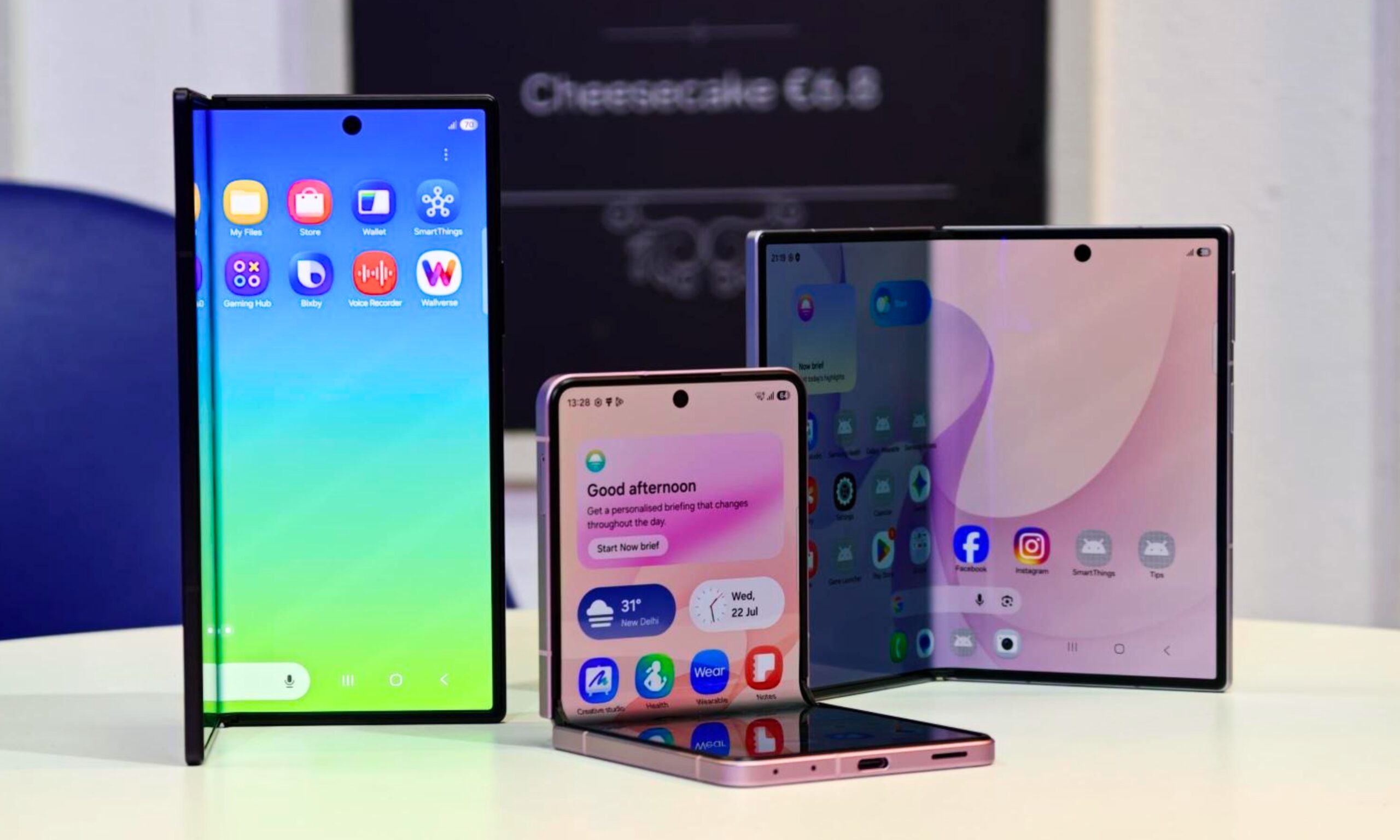
Samsung has finally joined the silicon-carbon battery race with its latest batch of premium foldables packing the new battery tech. But details for this change were rather hard to spot on the spec sheets. The company has confirmed during media briefings that the Galaxy Z Fold 8 Ultra, Galaxy Z Fold 8, and Galaxy Z Flip 8 all use silicon-carbon batteries.

Even then, the resulting capacities are hardly record-breaking. The Fold 8 Ultra carries a 5,000mAh battery, the regular Fold 8 gets 4,800mAh, and the Flip 8 has 4,300mAh. Rivals from Honor and Motorola have already crossed the 6,000mAh mark. But the figures only tell part of the story.

Read more
I’ve used foldable phones for years. Here’s how to pick the right one between the Galaxy Z Fold 8 and Flip 8
Samsung’s three new foldables solve very different problems
Galaxy foldables with its screen visible

After years of reviewing foldable smartphones, I have learned that choosing one involves much more than what looks pretty or how large you want. Book-style foldables are usually sold as productivity machines, while flip phones cater to people who value portability. Samsung’s latest lineup complicates that choice by introducing two very different book-style models alongside its familiar clamshell.

Most of their shared specifications fade into the background once you start using them. Their shapes and screens have a much greater impact on daily life. So here's how I'd make a decision when choosing between the new Galaxy Z Fold 8 Ultra, Galaxy Z Fold 8, and Galaxy Z Flip 8.

Read more
How to set up selfie video sign-in for your Google account
Your face can now serve as a way to get back into your Google account. Here's how to set it up.
Google account selfie sign in tutorial featured

Losing access to a Google account is rarely a quick fix, but Google has been actively working to make things easier. Last year, the company introduced a feature called Recovery Contacts that lets you designate a trusted friend or family member to verify your identity if you ever get locked out. Now, Google has introduced a new option, one that uses your face to get you back in instead of a phone call to a friend.

Like Recovery Contacts, the new selfie video authentication feature requires some setup before you can use your face to sign into your Google account. This involves recording the reference video that Google will use to verify your identity whenever you attempt to log in this way. Here's how to set up selfie video sign-in for your Google account.

Read more