1. Home
  2. Phones
  3. Android
  4. Mobile
  5. News

You won’t be saying hello to Bixby on your new Samsung Galaxy S8

Add as a preferred source on Google

Bixby, Samsung’s virtual assistant that will debut on the Galaxy S8 smartphone, won’t be fully available at launch, outside of phones sold in South Korea. While several features will work on international versions, those that rely on voice activation and control won’t operate, because Samsung apparently hasn’t perfected Bixby’s understanding of English yet.

Samsung says some features, including Home, Reminder, and Vision, will be ready for use on the global versions of the Galaxy S8, when it goes on sale later this month. However, “Bixby Voice will be available in the U.S. on the Galaxy S8 later this spring,” Samsung told the BBC in a statement.

Recommended Videos

When the Galaxy S8 was announced, Samsung had warned Bixby wouldn’t support all languages immediately, but no reason why was provided. It’s said Samsung doesn’t consider Bixby’s English language performance to be up to the same level as its competence in Korean, according to an anonymous source speaking to The Wall Street Journal. While Samsung didn’t give the BBC a launch date for English Bixby, the Journal’s source stated a late-May date was likely.

This puts it a month at least past the Galaxy S8’s release, which will leave the phone without one of its main features, and little use for the dedicated hardware button on the side of the device. Worse news for Samsung, is Google’s own Google Assistant will be present, and working in the same way it does on other compatible smartphones. Assistant may not be perfect, but a working voice assistant is better than a non-working voice assistant, and Samsung risks Bixby becoming forgotten by international users if it arrives too late.

The Galaxy S8 has been long awaited by Samsung fans, and needs to be a success after the failure of the Galaxy Note 7. Pre-sales numbers show that few are holding a grudge; but Samsung could certainly do without under-delivering on promised features.

Andy Boxall
Andy has written about mobile technology for almost a decade. From 2G to 5G and smartphone to smartwatch, Andy knows tech.
Apple’s lease program is just a soft landing for you to spend on pricier iPhones this year
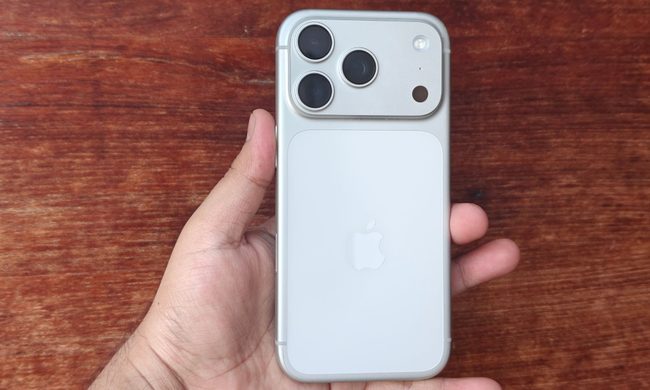
Hand holding iPhone 17 Pro.

A few days ago, Apple introduced a new "Upgrade" program that is essentially a lease program for buying Apple hardware. Instead of paying the full cost up front, you space the monthly installments (12, 24, and 36 month spells), and at the end of the lease period, you can choose to return the device, upgrade to a new one, or pay the remainder cost and keep it forever.

The broad idea is simple. Instead of taking a thousand-dollar hit on the wallet, you space the hit across small monthly payments. For a flagship iPhone, that broadly comes down to a dollar per day, and for budget phones such as the iPhone 17e, it's just half a dollar each day, if you do the breakdown. At least Apple is looking at it that way.

Read more
Pixel 11 leak predicts a weird mix of upgrades and downgrades for a higher price
The Pixel 11 may start at $899 with 256GB of storage, but its camera setup remains unclear.
Google Pixel 10a smartphone

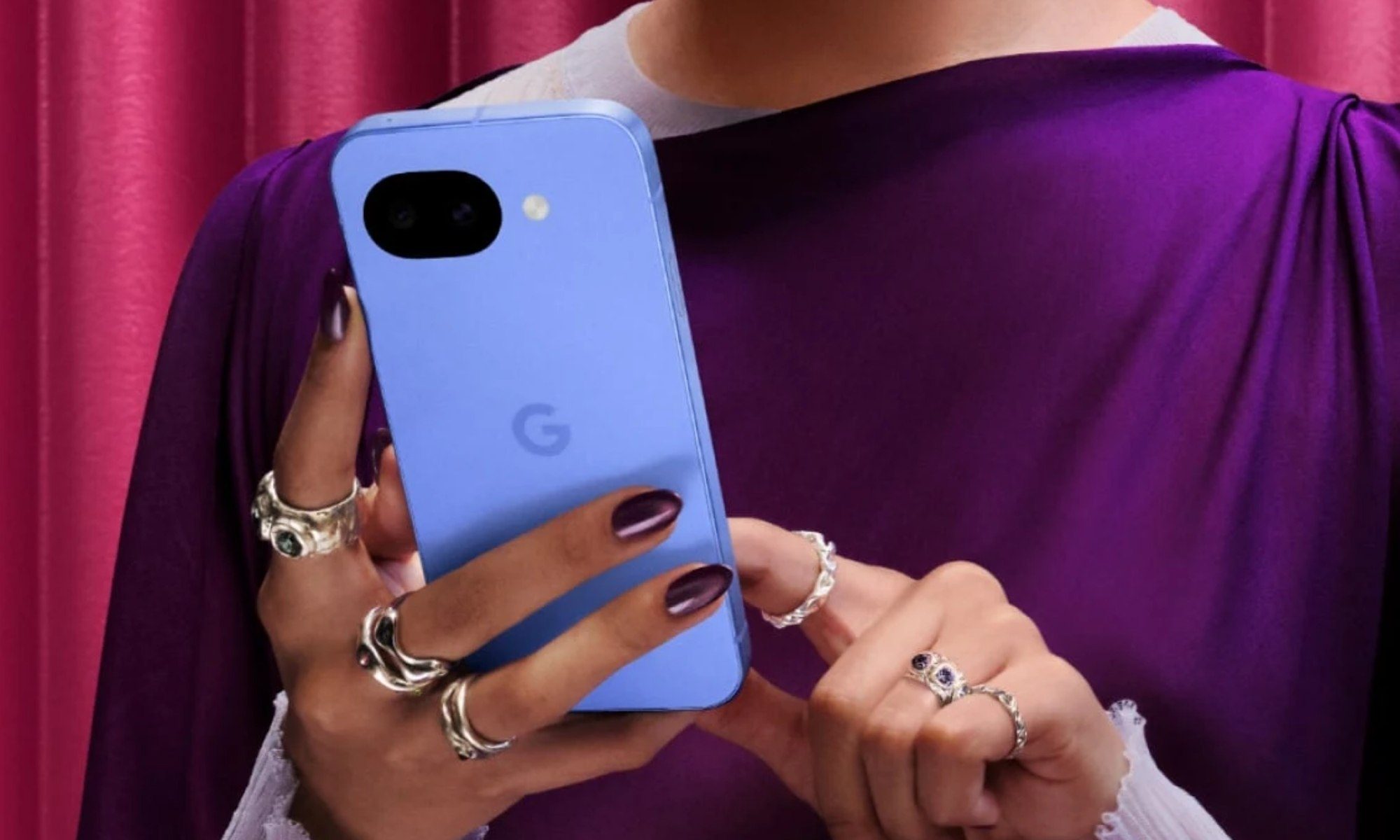
Google may ask Pixel 11 buyers to pay $100 more for a phone that improves the parts they can’t see while leaving a conspicuous camera question unresolved. A new leak from Android Headlines puts the base model at $899, up from the Pixel 10’s $799 starting price.

The extra money would at least buy more capacity. The Pixel 11 reportedly starts at 256GB rather than 128GB, while the leaked specifications list both 12GB and 16GB RAM options. Yet the same list mentions only a main camera and an ultrawide, even though other leaked renders still appear to show three rear camera openings.

Read more
Google’s Pixel 11 Pro Fold could offer Galaxy Z Fold8 Ultra specs for $200 less
Google’s leaked foldable could match the Fold8’s price with Ultra-sized screens and 5x zoom
Electronics, Mobile Phone, Phone

Google may be preparing to challenge Samsung’s most expensive foldable without charging Ultra money. According to Android Headlines, the Pixel 11 Pro Fold will start at $1,899, matching the Galaxy Z Fold8 and undercutting the $2,099 Fold8 Ultra by $200.

Its rumored hardware makes that pricing especially interesting. Google’s foldable appears much closer to Samsung’s Ultra model in display size, even though it would cost the same as the smaller Fold8.

Read more