1. Home
  2. Phones
  3. Mobile
  4. News

Samsung’s new $499 rugged smartphone is built like a tank for tough environments

Add as a preferred source on Google

After accidentally leaking it on its own Finnish website, Samsung has now gone official with its latest rugged smartphone. Called the Galaxy XCover Pro, the phone is built like a tank and is primarily intended for field workers and enterprises. It will go on sale for $499 in the United States sometime in the first half of 2020. Individual customers will be able to buy the Galaxy XCover Pro as well from Samsung’s website for the same price.
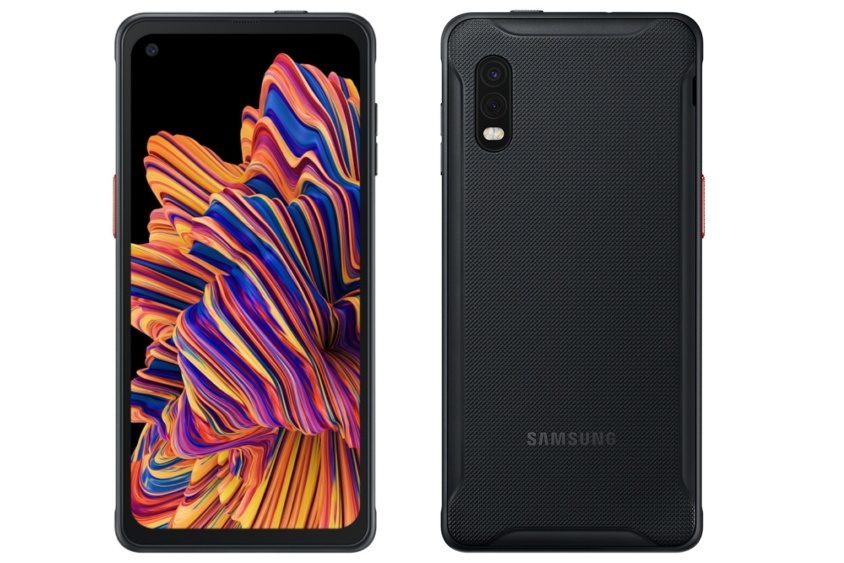
Image used with permission by copyright holder

Being a rugged device, the Samsung Galaxy XCover Pro’s headlining feature is its thick exterior that is designed to withstand falls (of up to 5 feet) and other damages a regular glass phone won’t likely survive. It is IP68 dust and water-resistant and also MIL-STD 810G certified which essentially means it won’t die on you in extreme environments of high temperatures, altitudes, and more.

Recommended Videos

The other highlight that helps the Galaxy XCover Pro stand out is its removable battery. You can swap out the phone’s hefty 4,050mAh battery for a new pack (that is sold separately) when you don’t have a charger or outlet around just like the good ol’ days. In addition, it supports 15W fast-charging over a USB Type-C port.

What’s more, the Samsung Galaxy XCover Pro features a set of pogo pins for directly plugging in a range of external accessories like card readers, scanners, and more. It’s EMV Level 1 certified allowing businesses to use it as a point-of-sale terminal for accepting payments from NFC-equipped credit cards, phones, and watches.

Under the hood, the Samsung Galaxy XCover Pro offers a standard set of mid-range specs. There’s a 6.3-inch 1080p screen (that you can operate with gloves as well as wet fingers), a 2GHz octa-core Samsung Exynos 9611 chipset, Android 10, 4GB of RAM, and 64GB of onboard storage that can be expanded via a MicroSD card.

There are two cameras on the back — a primary 25-megapixel sensor and a secondary 8-megapixel shooter. On the front, you’ll find a 13-megapixel selfie camera as well. Plus, a fingerprint sensor is available on the side housed under the power key. The phone even comes equipped with two programmable hardware keys, none of which are bound by default to the company’s virtual assistant, Bixby.

Shubham Agarwal
Shubham Agarwal is a freelance technology journalist from Ahmedabad, India. His work has previously appeared in Firstpost…
Vibecoded apps are flooding Apple’s App Store, and users are getting sick of them
App Store submissions have doubled this year as AI tools make it easier than ever to build an app, but downloads haven't kept pace, and for good reason.
Apple App Store homepage on an iPhone

Apple's App Store is in the middle of its steepest submission surge in years. Developers submitted nearly 600,000 new apps last year, marking a 30 percent jump over the previous year. That number has already doubled to roughly 560,000 new apps in just the first six months of this year, according to estimates from analytics firm Sensor Tower cited by the New York Times. The reason behind the spike is vibecoding, which allows people with no prior development experience to create new apps using AI tools.

A familiar boom, with a twist

Read more
Google Photos adds a quick toggle between AI and classic search
Classic search is finally easier to reach for people who enabled Ask Photos
Google's Ask Photos debut.

Google Photos is giving users an easier way to leave its Gemini-powered search when a simple keyword would do. A new toggle now sits at the top of the results page, letting users switch between Ask Photos and classic search without digging through settings.

The change appears to address feedback from people who opted into Ask Photos but wanted a quicker way to return to classic search when Gemini was slower or less useful for a straightforward query.

Read more
Snapseed Camera now lets Android users save original photos and add geotags
Google updates Snapseed Camera with geotag support and non-destructive photo editing
Snapseed App

Google appears to be quietly turning Snapseed into something more than just a photo editing app. Over the past few weeks, the company has been steadily adding new capabilities to Snapseed Camera, its standalone camera app for Android. The latest update introduces two practical features that many smartphone users have come to expect from modern camera apps: the ability to save an untouched copy of every image for future editing and support for embedding location data directly into photos.

Neither feature is flashy, but together they make Snapseed Camera a more capable photography tool, particularly for users who like experimenting with filters without permanently altering their original shots. According to a report by 9to5Google, the features are rolling out with Snapseed Camera version 4.1.1.x on Android.

Read more