1. Home
  2. Phones
  3. Mobile
  4. News

TCL’s 17-inch ‘Scrollable’ display is still science fiction, but we want to believe

Add as a preferred source on Google
 

TCL’s status as a major display manufacturer is only growing, coming from the top-down with its brilliant TVs and from the bottom-up with its growing smartphone business. But it isn’t resting on those technologies, it’s pushing forward with new form factors and display tech. At a CES 2021 press conference, TCL had two rollable displays to show off: One in a vertical-rolling smartphone-like display, and another in an insane 17-inch “scrolling” tablet display.
tcl csot
TCL/Youtube

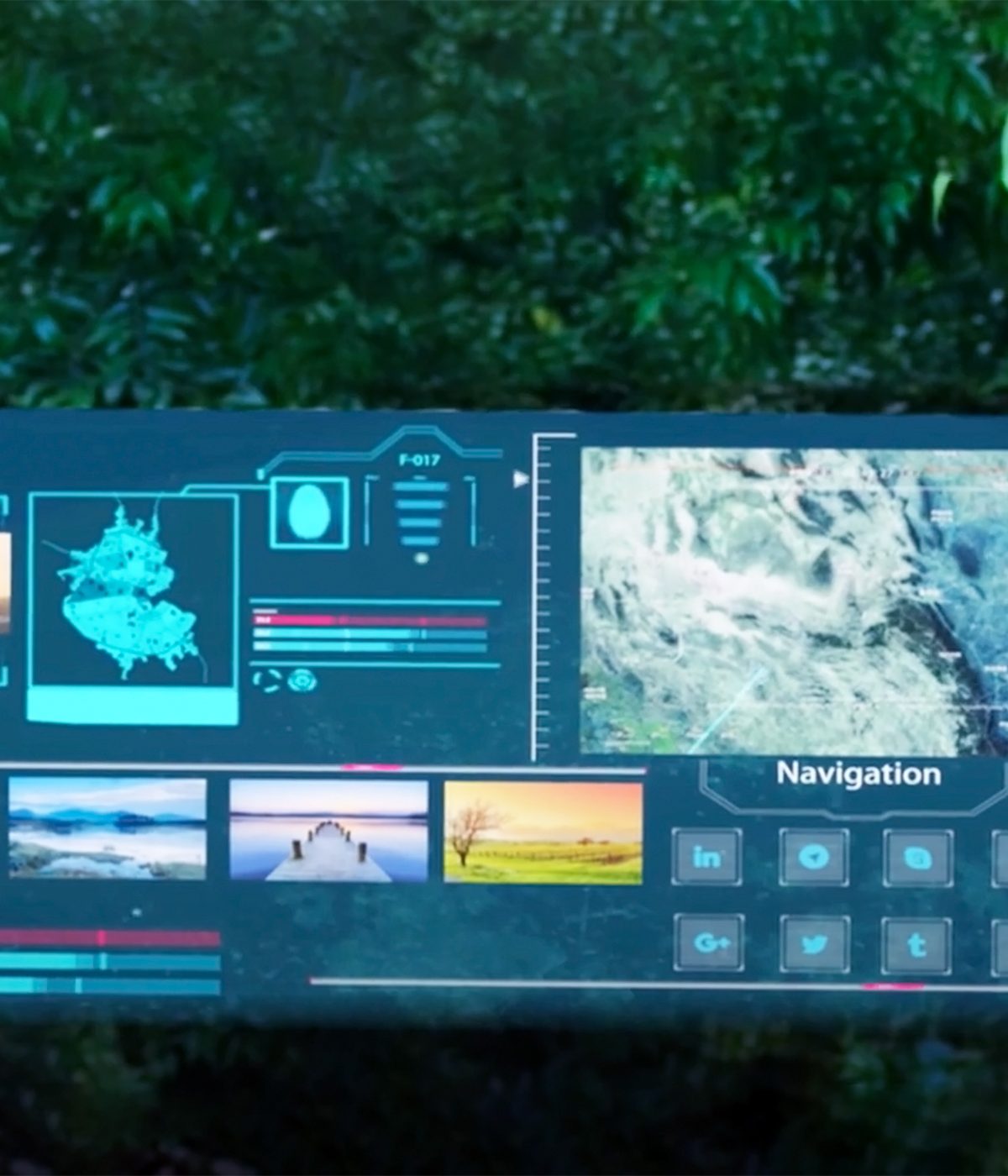
The 6.7-inch rolling smartphone concept is something I’ve seen many times over, even from TCL itself. This one’s slightly different because it’s a vertical-rolling display, showing a small near-square display expand out to a “normal” smartphone shape. That’s in contrast to earlier TCL concepts, and LG’s just-teased rollable, which start as a normal smartphone and expand out of one long side to a tablet-like design.

Recommended Videos

The concept certainly looks neat, and we can see the pathway for this technology making it into real smartphones in the not-too-distant future. On the other hand, there was another announcement right after it that looks like pure science fiction: A 17-inch “scrolling” display.
tcl csot
TCL/Youtube

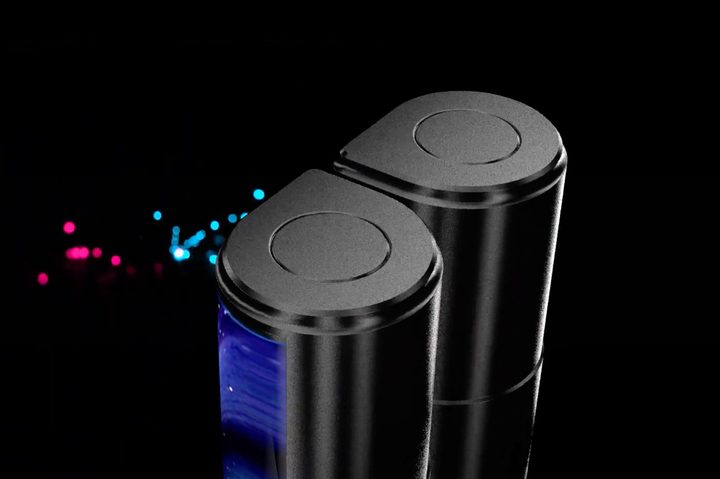
The extremely futuristic (and completely computer-generated) promo video shows how the huge screen can open up like a scroll, with the main components of the device on one side and a simple grab handle on the other to expand the display. The screen can roll up tightly into one side, and when expanded give you an incredible 17-inches of display space.

The display is actually a printed OLED panel, which is interesting in its own right and is just 0.18mm thick. The release likens it to a piece of paper flapping in the wind, and if that sort of flexibility is truly possible, there’s no doubt that it would be able to roll up into a tight scroll as was shown. The problem is, the rest of the device — it’s incredibly difficult to get a fully-functioning mobile device fit into that sort of a tube form, on top of the mechanism to scroll the display in and out. That’s why this is effectively still science fiction, not reality — but we want to believe.

tcl csot
TCL/Youtube

These announcements technically came from TCL CSOT, which isn’t the TCL we know. It is a separate company owned (in part) by TCL that manufactures displays, and not the proper TCL that releases name-brand products. This is an important distinction because TCL today also teased that it will be releasing a foldable smartphone in 2021 — that’s most likely to be a traditional one-fold phone like the Galaxy Z Fold 2 or Motorola RAZR 2020, and not a rollable. But TCL CSOT technology can easily make its way upstream to a TCL product, as well as head out into the market for another company to use the display in its own mobile device design.

The future will look like this, we just don’t know when.

Andrew Martonik
Andrew Martonik is the Editor in Chief at Digital Trends, leading a diverse team of authoritative tech journalists.
Google’s older Pixels may have just become far better retro gaming machines
Google Pixel 11 Pro Review Zenless Zone Zero

I've spent enough time trying to turn Android phones into game consoles to know that raw horsepower only gets you so far. On the Red Magic 11S Pro, I've tested console emulation alongside Android games and eventually pushed things much further by getting the PC version of Ghost of Tsushima running locally through GameHub.

While all of this was possible thanks to powerful Snapdragon hardware, there's another reason Qualcomm-equipped Android devices have traditionally been particularly attractive to emulator enthusiasts. Adreno, the GPU that powers these devices, have access to custom graphics drivers such as Turnip. So phones using ARM's Mali GPUs haven't had the same advantage. But now, ARMSX2 2.8.3 is finally changing that.

Read more
Samsung may give the Galaxy S27 Ultra a major eye comfort upgrade
A new leak suggests Samsung could add DC dimming to reduce OLED flicker on its next flagship phones.
Samsung Galaxy S26 Ultra smartphone in blue color.

Samsung’s Galaxy S27 Pro and Galaxy S27 Ultra are shaping up to look quite different from the current generation, but the changes underneath may not be nearly as dramatic. Camera processing is reportedly being tweaked for warmer, more natural-looking photos, while certification filings point to a much-needed battery bump.

A fresh leak, however, points to an upgrade that could matter a lot more to people with sensitive eyes. Tipster WalleGalaxy claims Samsung will introduce DC dimming support on the Galaxy S27 Pro and Ultra, potentially moving away from the PWM-only approach it has relied on for years. The current Galaxy S26 series still uses PWM at around 480Hz and offers no DC-like flicker reduction option.

Read more
Apple is making sure you can’t walk into a store without bumping into the iPhone Duo
Apple is putting the iPhone Duo on display like it’s the star of the show
Photography, Face, Head

Apple is preparing an unusually large retail push for the iPhone Duo, its first foldable iPhone, with flagship stores expected to feature dozens of hands-on demo units and dedicated displays. The aim is to give customers a proper look at the foldable device before deciding whether it is worth the premium price.

According to Bloomberg’s Mark Gurman, Apple is planning more than 150 demo units at its Fifth Avenue flagship in New York City. The Apple Park Visitor Center is expected to have nearly 100, while stores on Michigan Avenue in Chicago, the Grove in Los Angeles, and Manhattan’s Upper West Side could each receive around 30 to 40 units. Smaller stores are expected to have roughly 20 demo devices.

Read more