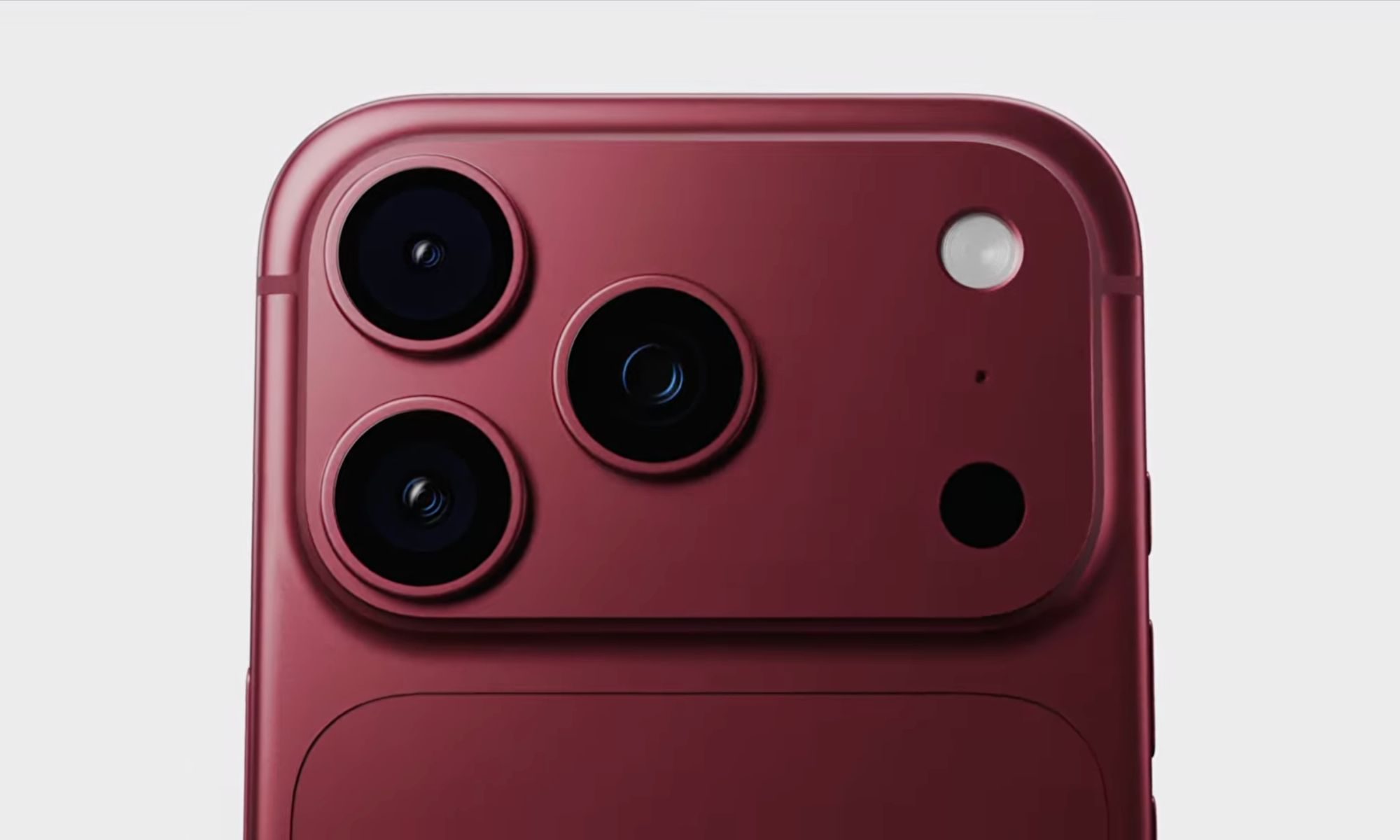
With each generation, phone cameras tend to get a little bit better, a little bit clearer, and, unfortunately, a little bit bigger — but Huawei’s latest patent could offer a solution. The manufacturer filed a patent for a new type of periscope camera lens system that does away with the traditional method of using mirrors and instead opts for an extended lens.
If you aren’t familiar, this style of camera lens system lets the photographer move the lens forward and back to adjust zoom distance. When not in use, the lens sits much closer to the phone than current lenses. The mirror system used to zoom in and out requires a certain amount of space, and an extendable lens decreases that while also allowing for more granular control.
There’s another perk to swapping to this, too. Huawei’s patent specifically lists mechanical parts rather than electronics, and that makes the system more repairable overall. If something breaks, individual pieces can be replaced — within reason, of course — rather than replacing the entire camera unit. That will help bring prices down, too, in theory.
Any win for repairability is a win for consumers.
Squarish Huawei smartphone with a movable camera lens leaked 📷
More details: https://t.co/Cd7lGhC0jZ (patent-based)
Enjoy! pic.twitter.com/gtiCvdBxzm
— xleaks7 (David Kowalski) (@xleaks7) March 24, 2025
However, all of this relies on Huawei implementing the technology. Filing a patent doesn’t necessarily mean the system will be used. The cost of producing and installing it might prove too high or too troublesome to be worthwhile. Only time will tell whether Huawei chooses to go through with it, and even if the company does use the technology, there’s no guarantee others will follow.
That said, Huawei has always been an innovative company. The world owes the first tri-fold phone to the company — the Huawei Mate XT — so it’s possible Huawei will continue the tradition of beating the rest of the competition to new tech.
I prefer to be optimistic. The next step in phone camera evolution could lie in returning to older systems, and future generations of smartphones could have a more powerful camera that doesn’t need a profile-shattering camera bump to work properly. There are other considerations, like how to properly protect mechanical components against drops and how cases will accommodate the adjustable size, but those are bridges to be crossed at a later date.