  1. Home
  2. Social Media
  3. News

DOJ proposes legislation to gut Big Tech’s legal shield

Add as a preferred source on Google

The Department of Justice (DOJ) unveiled legislation to radically reform Section 230 on Wednesday, September 23, which would strip many of the legal protections social media platforms and tech companies now have by making them liable for users’ posts.

While the legislation is just a draft, the DOJ’s suggestions focus on narrowing the criteria online platforms would need to meet to have liability protections and establish what type, if any, immunity platforms get for specific cases, according to CNBC.

Recommended Videos

Under the new draft, legal immunity would be removed when platforms enable criminal activity or don’t consistently follow their content moderation policies — an allegation that has long riled conservatives who claim tech companies unfairly censor their views.

The legislation would also enforce a standard that tech companies must remove “obscene, lewd, lascivious, filthy, excessively violent” content or lose their legal immunity.

Platforms could also end up facing civil suits relating to content that promotes online child exploitation and terrorism.
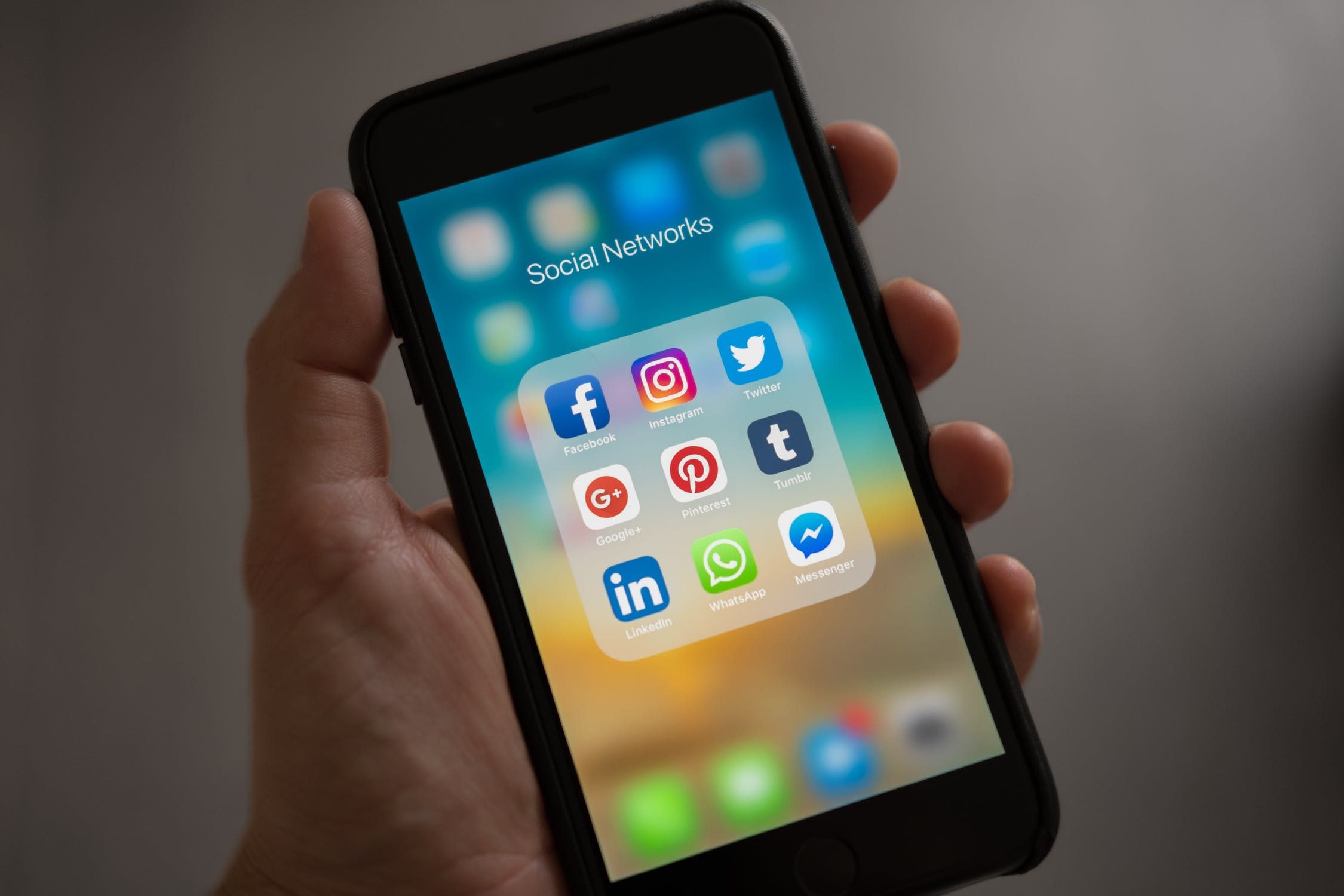
Tracy Le Blanc/Pexels

The draft would need still to be passed by Congress, but both Democrats (including the presidential nominee, former Vice President Joe Biden) and Republicans have said they want to look into the legal protections that social media outlets now have.

Talks about changing Section 230 of the Communications Decency Act have been going on for some time, but gained steam in May after President Donald Trump signed an executive order targeting social media platforms. The executive order — purportedly to crack down on alleged “censorship” — came shortly after Twitter attached a fact-checking notice to Trump’s tweets.

Other social media companies have since followed suit, flagging content from the president for spreading misinformation or glorifying violence.

Section 230 protects websites from being liable if one of their users posts something illegal or controversial, so you can’t sue Twitter for a tweet someone posted, for example. The specific wording says, “No provider or user of an interactive computer service shall be treated as the publisher or speaker of any information provided by another information content provider.”

This law has been essential to creating social media as it currently exists since it allows people to converse freely, post creative works, and contribute information across platforms.

Many opponents of repealing Section 230 argue that it would remove free speech on the internet and break the internet as we know it.

Allison Matyus
Former Digital Trends Contributor
Allison Matyus is a general news reporter at Digital Trends. She covers any and all tech news, including issues around social…
Instagram and WhatsApp lead in sextortion reports, iMessage is weaponized against teenagers: Report
Over 2,000 complaints in six months, and the platforms are still playing catch-up.
Child using a blue phone

If you use Instagram, WhatsApp, or iMessage, you need to know what is happening on these platforms. Australia's online safety regulator, eSafety, has published a new transparency report, and the findings are grim. 

As reported by The Guardian, the regulator found significant gaps in how the biggest tech companies are handling online sexual extortion and child sexual exploitation, even as the reports keep climbing.

Read more
Europe plans a wide social media ban for children
The plan would bar kids under 13 from social media completely, with looser rules for teens up to 18.
Child using a red iPhone

Europe is taking its biggest step yet toward keeping kids off social media entirely. A panel of experts today handed the European Commission a report recommending sweeping new age restrictions, according to a New York Times report. Commission president Ursula von der Leyen is expected to turn those recommendations into a formal law proposal in September.

What the proposal aims to restrict

Read more
The days of unrestricted social media for children may be coming to an end
Social media could soon look very different for younger users
Social Media

What started as a policy experiment in Australia has quickly turned into a global movement. Governments around the world are increasingly questioning whether children should have unrestricted access to social media, with more than 20 countries now either enforcing, proposing, or actively debating age-based restrictions. According to an AFP tally, at least five countries already have nationwide restrictions in force, while many others - including several European nations - are preparing to follow suit.

The momentum comes amid growing concerns over the impact of social media on children's mental health, online safety, sleep patterns, and exposure to harmful content. Policymakers are also under pressure to address addictive recommendation algorithms, cyberbullying, and the growing use of AI-generated content that can make online platforms even harder for young users to navigate.

Read more