Aside from making billions of dollars, Facebook has had a nightmarish past few years. Since the Cambridge Analytica debacle that came to light in 2018, the company has made headlines for all the wrong reasons seemingly every week.
From data breaches to antitrust charges, Facebook has been mired in a deep malaise of privacy missteps and a string of controversies. Its public reputation has taken a dramatic beating and is at an all-time low. In the last two years, the social network has lost 15 million users in the United States. The company even paid a $5 billion settlement to the Federal Trade Commission (FTC) over “privacy missteps.”
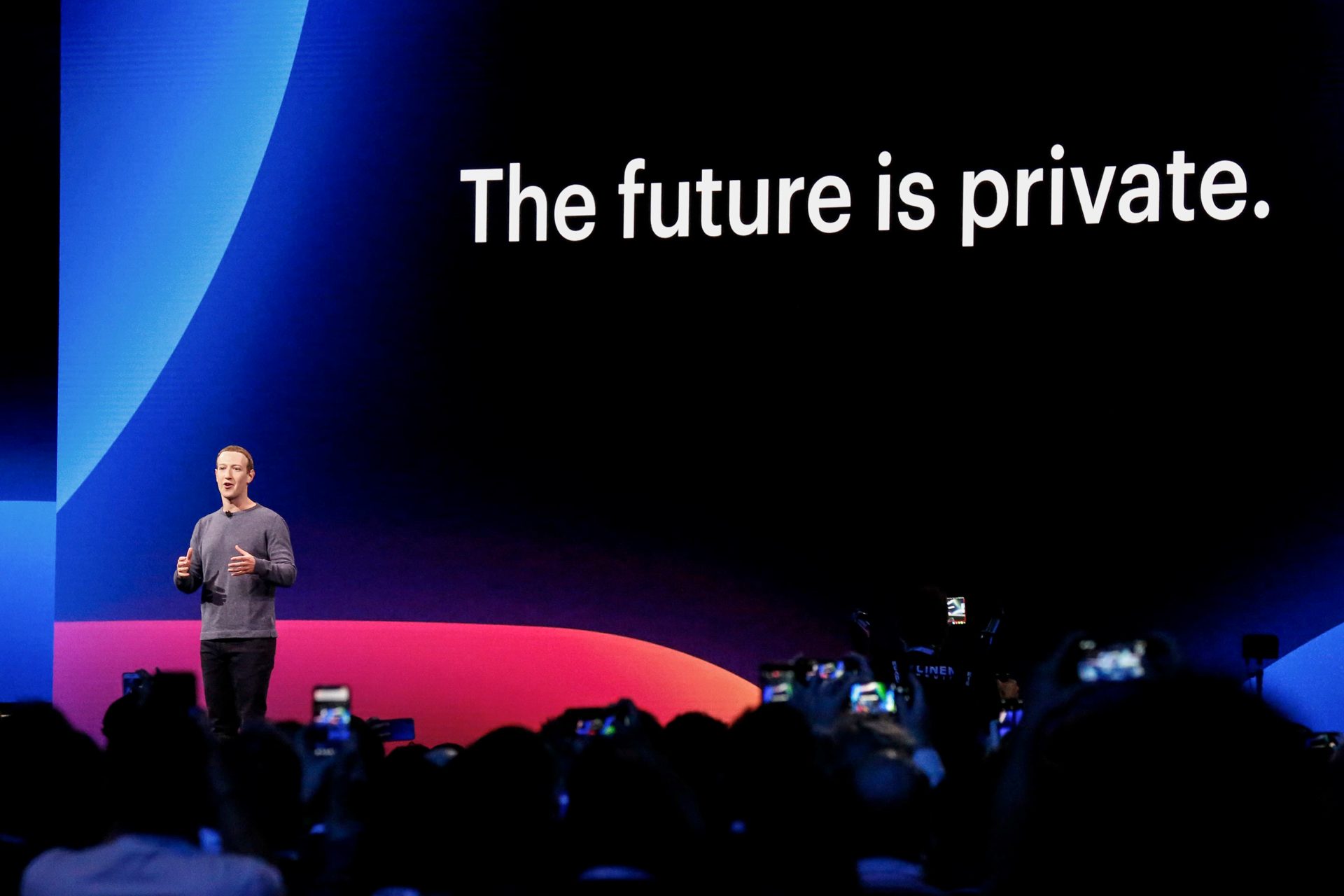
“We don’t currently have a strong reputation for building privacy protective services,” said CEO Mark Zuckerberg, in a lengthy blog post last March.
Yet, it’s somehow business as usual at Facebook.
Despite the increased scrutiny and broader issues plaguing its platform, the California-based company has continued to launch new products at a breakneck pace without any consideration for its precarious position. And as expected, with nearly each of those announcements, Facebook has ended up fumbling almost every time.
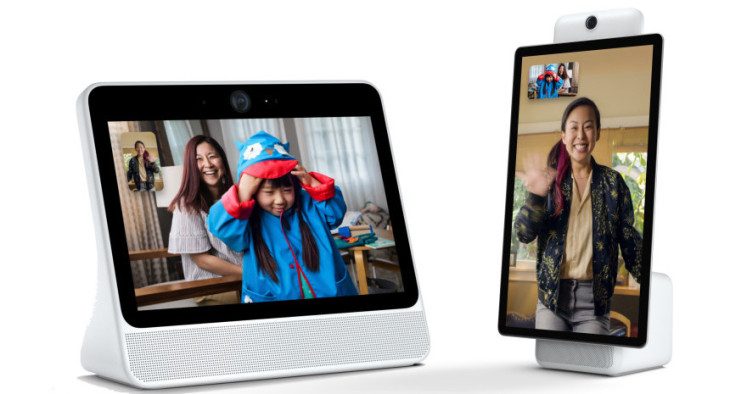
Last October, Facebook announced a pair of camera-equipped smart home displays — which yesterday got a second-gen refresh, including a camera for the top of your TV. While critics agreed the tech was clever, none of them recommended it for one obvious reason. It simply wasn’t possible to trust Facebook with a set of always-on microphones and a camera that follows you around your home.
Facebook proved those critics right. A couple of days ago, people found out that third-party contractors were listening and transcribing “Hey, Portal” commands. On top of that, in August, a report revealed that those contractors were also reviewing private audio messages from Messenger.
If that wasn’t enough proof to Facebook’s disregard for privacy, just look at the new social app it’s developing — Threads. Threads, which will work like a companion app for Instagram’s Close Friends feature, will allow users to actively share a bunch of intimate data such as location, speed, phone’s battery life, and more.
Further, there’s Facebook Dating’s Secret Crushes feature where users are asked to submit the names of friends they are secretly attracted to.
In the midst of this, Facebook went ahead with its plans to “transform the global economy” through a blockchain-based digital currency, Libra. It faced immediate backlash from regulatory authorities and has already been blocked in France and Germany.
Facebook also had to deal with about half a dozen data breaches in 2019 itself. Earlier this month, an exposed server leaked phone numbers of over 419 million Facebook users. In March, a security firm learned that Facebook stored passwords of millions in plain text — without any sort of encryption — for years.
These lapses, combined with its full-steam-ahead approach to new products, beg the question: Is Facebook living in an alternate reality — the one where it has done no harm and isn’t constantly at the center of controversy?
If Facebook’s recent efforts are any indication, the answer is yes. It’s time for the company to take a step back and reflect upon what it has gone through in the past couple of years. It should take a break, do what it does well, and hold off on releasing any new products until it’s a little less hated.
Facebook isn’t the first company that has reached a stage where its future is being questioned and its reputation is in shatters. There have been several in the past and most of them have been able to bounce back with a little patience.
One of them is Uber. While the ride-hailing company still hasn’t quite reeled from its past blunders, it has managed to steer clear of bad news cycles after bad news cycles — which is more than what Facebook can hope for at the moment.
Uber’s comeback strategy was simple: reevaluate its short-term priorities, fix what has ailed its image and bring a new public face to promote it. An amicable new CEO, Dara Khosrowshahi, has successfully pulled Uber out of the deepest troubled waters and has restored some of the cultural equilibrium the startup lost under former leader Travis Kalanick.
Similarly, Facebook can take a page out of Microsoft’s book and learn from its triumphant past three years. CEO Satya Nadella was handed a directionless monolith when he took over from Steve Ballmer in 2014, but after executing a few radical, much-needed risks, Microsoft is now worth over $1 trillion.
Facebook is trying too hard to leave its tainted past behind. But it won’t ever be able to do that if it continues to live in denial and ignore the shortcomings built into its very foundation. Zuckerberg has promised to build a privacy-focused social network, but before that, it first needs to ask itself: Is anyone really comfortable sharing their private data with Facebook anymore?