1. Home
  2. Phones
  3. Mobile
  4. Social Media
  5. News

Twitter to start charging for verification mark, reports say

Add as a preferred source on Google

Various reports on Sunday evening suggest Twitter will soon start charging a monthly fee of between $5 and $20 for an account holder to display a blue verification badge.

The coveted check mark is given to users with accounts that Twitter defines as “authentic, notable, and active,” and gives followers reassurance that the account is genuine.

Recommended Videos

The move to start charging a fee to display the mark could be one of the first major changes enacted by new owner Elon Musk, who last week took control of the social media company in a deal worth $44 billion.

Tech site Platformer said Twitter is “strongly considering” asking verified users to pay for the verification badge by subscribing to Twitter Blue, a service offering premium features that currently costs $5 per month.

“Executives at the newly Elon Musk-owned company have spent the weekend discussing the move and making plans related to the project, according to two people familiar with the matter,” Platformer said in its report.

Also on Sunday evening, The Verge reported that the fee to keep a verification badge, or indeed to be given one in the future, could soon cost as much as $20 per month.

The tech site suggests that the change could also be tied to Twitter Blue, with people who want to use the verification badge required to join the premium service. The report said Twitter Blue’s monthly fee may be increased to $20, though it added that the price is subject to change.

The Verge said it had spoken to “people familiar with the matter” and had also seen internal correspondence relating to the matter.

In an apparent bid to force the change through, and in what some may see as a sign of things to come as the company adjusts to life under its new owner, workers tasked with making the potential changes have reportedly been told that they should do so by November 7 or face losing their job.

Suggesting the situation is moving at a fast pace, Musk tweeted on Sunday: “The whole verification process is being revamped right now,” though he declined to give further details.

It’s been known for a while that Musk is keen on increasing Twitter’s revenue through subscriptions. In May, when the billionaire entrepreneur had already signaled his intention to acquire Twitter, Musk reportedly said that subscriptions would become a more important revenue driver than they have been. The aim is for them to account for $10 billion of annual revenue in a projected 2028 figure, with advertising pulling in an estimated $12 billion. This would see ad income falling from 90% of total revenue in 2020 to 45% in 2028, indicating just how important Musk views subscriptions as a future revenue driver.

The new owner has also spoken of charging commercial and government accounts for continued use of Twitter, though details about this potential move have yet to be made public.

Digital Trends has reached out to Twitter for more information and we will update this article when we hear back.

Trevor Mogg
Contributing Editor
Not so many moons ago, Trevor moved from one tea-loving island nation that drives on the left (Britain) to another (Japan)…
I went hands-on with Samsung Galaxy Z Fold 8 Ultra. It’s peak foldable in an old garb. 
It may not look like a fresh start, but underneath the familiar chassis, there's plenty of thoughtful engineering tweaks.
Samsung Galaxy Z Fold 8 Ultra

Samsung just wrapped up its glitzy Unpacked event, revealing three new foldable phones and a pair of smartwatches. While my heart flutters for the pocketable Galaxy Z Fold 8, it’s the Ultra variant that truly feels like a refinement. Interestingly, when you look at the Galaxy Z Fold 8 Ultra for the first time, you might mistake it for the Galaxy Z Fold 7.

Both of them look identical, and Samsung has not made any visible changes on the Galaxy Z Fold 8 Ultra for it to stand out from its predecessor. Color options, obviously, are fresh this time around, but there are a few changes that have been made under the hood, and they make this phone feel like a practically rewarding iteration.

Read more
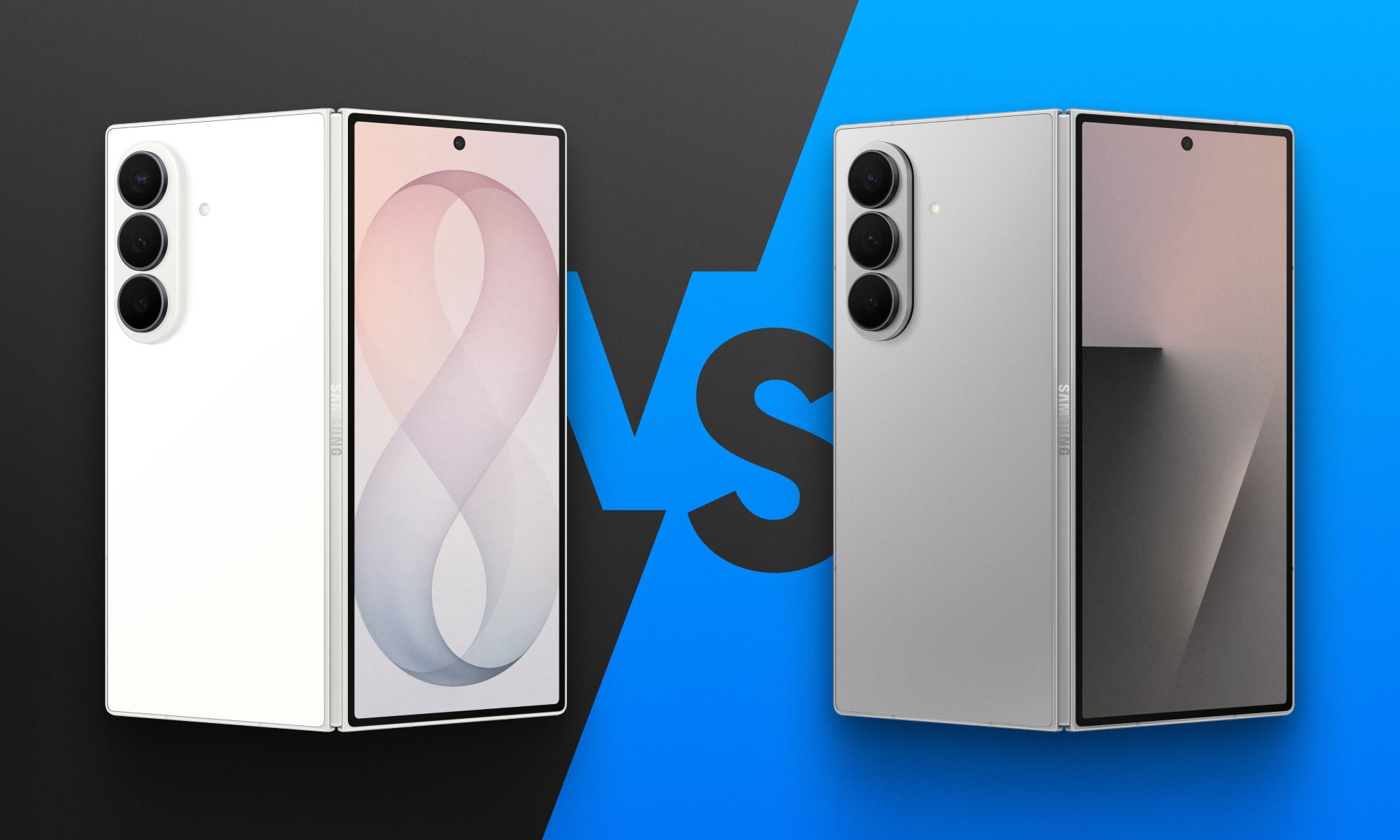
Fold 8 Ultra vs. Fold 7: Upgrades across the board, but is the Ultra really worth the upgrade?
From battery capacity to camera hardware, here's a full comparison between the Galaxy Z Fold 8 Ultra and Galaxy Z Fold 7, and whether upgrading actually makes sense.
Galaxy Z Fold 8 Ultra vs. Fold 7

Foldables age differently than regular smartphones or flagships. But why do I say this? It's the hinge and the foldable aspect that wins buyers over in the first place, not the specifications that get outdated every single year. That's precisely why anyone still carrying last year's Galaxy Z Fold 7 is asking a fair question today: does Samsung's freshly unveiled Z Fold 8 Ultra genuinely earn an upgrade, or does the Fold 7 still hold its ground?

And for shoppers who skipped last year's model entirely and are weighing their first foldable purchase, the calculus is totally different. A now-discounted Fold 7 might undercut the Ultra by a considerable sum, and that could matter to those looking to spend on the form factor, not the latest specifications. 

Read more
Samsung makes it easier to run multiple apps on Galaxy Z Flip 8’s cover screen
Samsung's Galaxy Z Flip 8 now runs 16 apps on its cover screen.
Galaxy Z Flip 8 cover display

Samsung is finally making the Galaxy Z Flip's cover screen much more useful. With the new Galaxy Z Flip 8, you no longer have to rely on workarounds to access more apps without unfolding the phone. Instead, Samsung has expanded native support on the FlexWindow, allowing 16 apps to run directly on the outer display and also making it much easier to launch virtually any other app.

The update addresses one of the biggest complaints Flip users have had for years and brings Samsung up to the level of rivals like Motorola, whose Razr series has long offered a more flexible cover screen experience.

Read more