While speaking at a recent tour of Blue Origin’s research and development headquarters in Kent, Washington, founder Jeff Bezos revealed that he hopes to begin manned space missions as soon as 2017. However, despite Bezos informing those in attendance the agency has thousands of people expressing interest in such a trip, the first test rides won’t contain actual paying customers. For good reason, too — space flight isn’t just a walk in the park.
Aside from unveiling the company’s desire to begin manned missions in roughly a year, Bezos shared with those in attendance just how much Blue Origin is allowing him to live out his wildest childhood dreams. Like anyone aspiring of being a firefighter, astronaut, or baseball player as a young tike, Bezos admitted that launching a space company fulfilled some incredibly ambitious goals of his younger self.
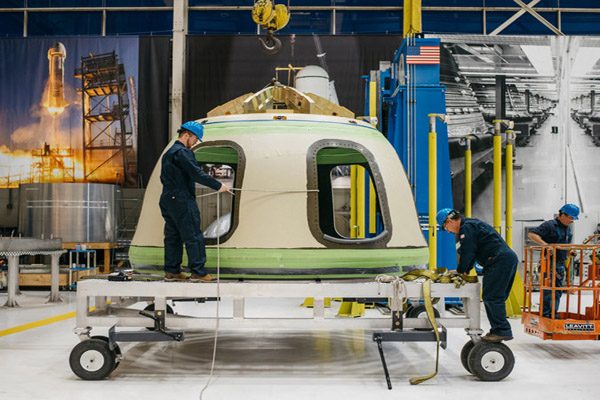
“I only pursue things I am passionate about,” Bezos told the attending reporters. “I never expected to have the resources to start a space company. I won a lottery ticket called Amazon dot com.”
That lottery ticket allowed the Amazon founder and CEO to pour billions into his vision though he wouldn’t divulge exactly how much, only admitting it’s “a very significant” amount. For all that he’s invested — both time and money — Bezos also acknowledged that he feels the company will inevitably turn a profit, even if he’s unsure exactly how it will pull it off at this moment. Though it may seem that taking money from those interested in visiting the edge of space is an easy moneymaker, Blue Origin has yet to take in a dime from any of the interested parties.
At this time, Blue Origin doesn’t plan on actually commencing tourist trips to outer space until around 2018, during which it would make use of its reusable New Shepard spacecraft. Until then, Bezos said the company remains focused on improving safety (of which he deemed the company’s top priority) and getting to a point where it can launch up to 100 suborbital flights per year. Of course, all this won’t be achievable without the continued effort of reusing its rockets on a consistent basis.
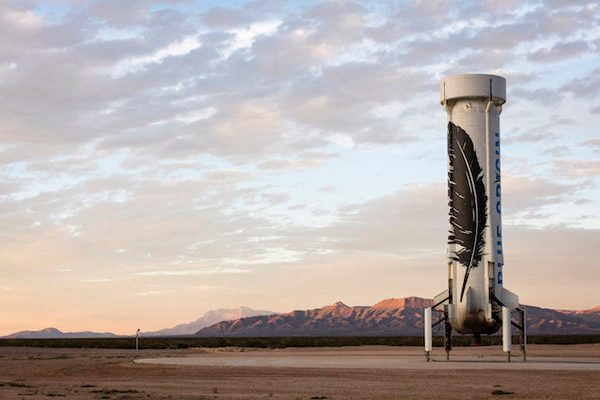
“What I know you cannot afford is throwing the hardware away,” he said.
To this point, Blue Origin has enjoyed a bit of success regarding its space launches (and landings) so it’s no surprise to hear it plans on beginning manned missions so soon. With Elon Musk’s SpaceX seemingly breathing down Bezos’ neck, the entrepreneur acknowledged he does not feel concerned with the strides the competition makes regarding rocket advancements. Citing humanity’s need for more than one person moving the tech forward, Bezos says he’s concentrating solely on improving Blue Origin’s space flight opportunities.
According to the company itself, Blue Origin’s media-only event was a way for the agency to be more open with the public about its inner workings. Bezos closed out the walkthrough by telling those in attendance “we will not be strangers,” and added that he intends to share details of a larger Blue Origin rocket later this year.