
Is Microsoft’s mobile operating system strategy confusing anyone yet? First Microsoft was touting the benefits of running a full-blown version of Windows 7 on devices like the HP Slate—a strategy that’s still being pursued by some tablet makers despite Windows 7’s interface not exactly being touch-optimized. Then Microsoft aggressively launched its Windows Phone platform, and while the company hasn’t revealed how sales have been going, it did just get Nokia to bet the farm on Windows Phone as a mobile platform going forward. And now, Microsoft has taken the wraps off Windows Embedded Compact 7, a followup on its WIndows CE platform originally intended for embedded systems, but which Microsoft has since partnered with OEMs to extend to in-vehicle systems, industrial automation, robots, and appliances—and, yes, even some phones and tablet devices.
“Microsoft has always focused on ushering in the next breakthrough in computing technology, from the first microcomputers to today’s embedded devices,” said Windows Embedded group manager Dan Javnozon, in a statement. “By extending beyond and providing the ability to connecting back to the PC, servers, and services, Windows Embedded makes it easy for OEMs to envision and build new types of devices that are intuitive for users in the home, on the road, or at work.”
Building on previous versions of Windows CE, Windows Embedded Compact 7 features support for touch, gestures, and multi-touch interfaces, built-in viewers for Microsoft Office and PDF documents, an embedded version of Internet Explorer (with Adobe Flash 10.1 support), and support for Microsoft’s Silverlight technology and a new connection manager that supports everything from Ethernet and Wi-Fi to Bluetooth and USB. The operating systems supports x86, MIPS, and ARM processors, and has a footprint as small at 500K—although, obviously, that leaves a lot of features on the cutting-room floor.
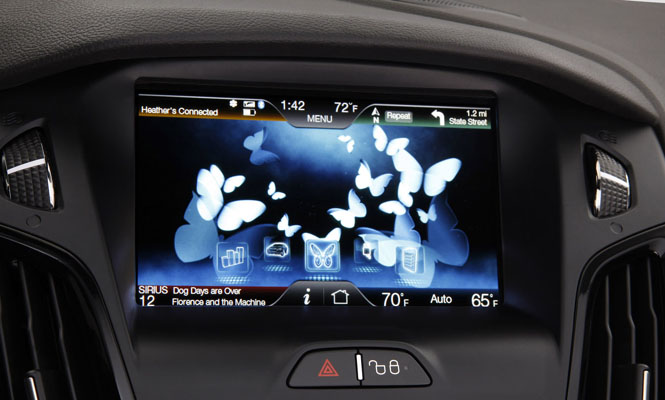
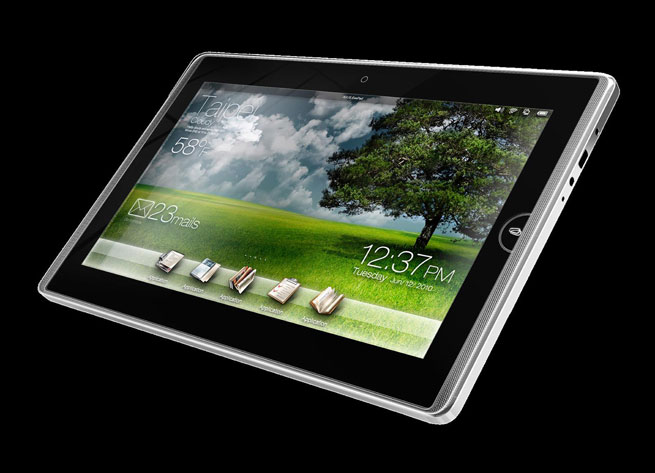
Although Windows Embedded Compact 7 is clearly intended at the same niches where Windows CE has found footholds, that doesn’t mean it’s not going to find its way to consumer devices: and we’re not just talking home appliances. Asus is already working on a version of its eePad that runs Windows Embedded Compact 7, and phones are also on the operating systems’ agenda—although so are medical devices, retail systems, set-top boxes, in-vehicle systems, and Microsoft even mentions showerheads.
How will Microsoft position devices running Windows Embedded Compact 7? ZDNet’s Mary Jo Foley suggests Microsoft wants to distinguish Windows Embedded Compact 7 devices aimed at consumers as being primarily about consumption (movies, video, music, books, and Internet) rather than devices enabling content creation or productivity. In Microsoft parlance, this is apparently the distinction between a “slate” and a “tablet”


