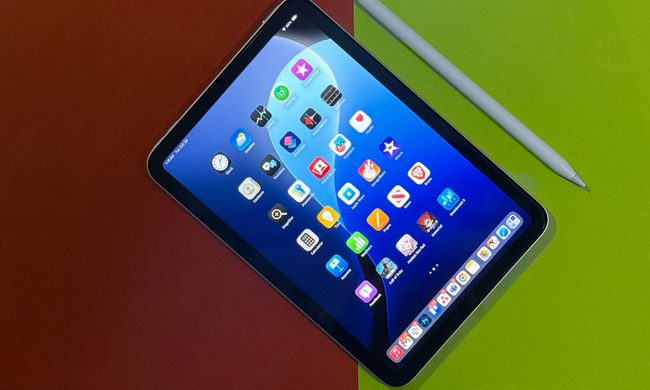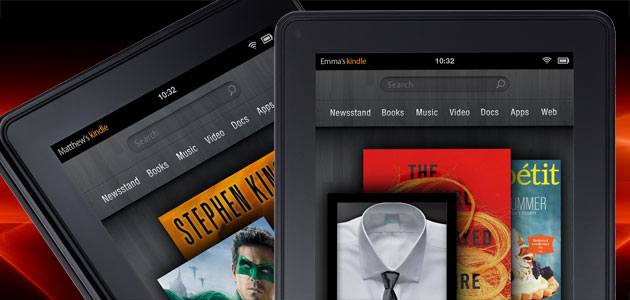
The iPad is actually the first PC-like product that Apple has aggressively priced since Steve Jobs turned Apple around. Why? It’s subsidized by royalties and fees from accessories, media, and applications that surround it, allowing Apple to both provide an attractively priced product and maintain the high profits Apple investors have come to expect. The Kindle Fire takes this concept one huge step further: It’s basically a dedicated front door to Amazon that every Fire user will carry with them.
This is something an online retailer can do that neither Apple nor another hardware maker can do as successfully, because as Apple demonstrated, making this work is about the store. A full-service retailer will have more opportunity to make money than a specialist shop. Granted, people will still need to get the product, but Amazon should be able to make more money through the Kindle Fire than Apple does through the iPad, if (and that’s a big “if”) Amazon can execute in line with Apple.
Let’s talk about tablets, and potentially PCs, as digital storefronts today.
Traditional Android doesn’t work
The sneaky thing about Android is that while Google provides it for free, it basically owns the back-end and most of the revenue opportunity that Apple is using to make money off the iPad. In effect, your normal Android licensee takes all the hardware risk, but gives up the majority of the profit potential to Google. Google just doesn’t execute on that potential as aggressively as Apple does, or Amazon plans to. To redirect the stream of cash from the Kindle away from Google, Amazon started with an older version of Android, updated it, and basically forked the code to make it theirs.
In the old world, Microsoft sold the OS and made much of the profit. Google gave the OS away for free, but seized most of the opportunity to sell to its users, even though it didn’t seem to do much with it. Profit is the most important part of this new tablet world, and frankly any business world. Increasingly,the profit appears to come from what you do with the device, not the device itself, which is why Apple and Amazon are moving to own the entire software and services stack.
Barnes & Noble vs. Amazon vs. eBay?
If the value of the product isn’t the product itself but what the product is used for, this would seem to benefit a vendor whose strength lies in those services. Both the Nook and initial Kindle were connected to e-book back ends and relatively balanced. However, Amazon is a full-featured vendor (you can pretty much get anything either directly or through affiliates that can be shipped through Amazon), while Barnes & Noble is still just a book re-seller. With similar efforts,this means Amazon should be both able to sell its product for less and make more money from it, suggesting that over time Barnes & Noble will be aced out if it can’t expand its retail breadth.
Companies that live off of some form of Internet retailing could go the same way. I can imagine an eBay tablet, for instance, with tuned services tied back to eBay’s various retail offerings, or even a Best Buy tablet that mirrors the Kindle Fire in many ways. They would all come at aggressive prices, and largely tied to the services the firm branding them provides.
 Just the beginning

We’ve gone from packaged products to advertising-supported offerings, and now to offerings that are funded by their dedication to some retail back-end or secondary revenue stream. We are already seeing “blends,” with some Kindles being further subsidized by advertising and expected to approach free, which is somewhat unique in hardware. In the end, we are just at the beginning of this. In the future, you wonder if TVs might be tied more closely to certain retailers, who then will own more of the advertising and retail revenue streams in exchange for a cheaper set.
In the end, conversations about which sports team you support may change to which retailer owns your eyeballs. At that point, I begin to wonder if this trend is ultimately a good thing. I guess we’ll find out.
One final thought: Amazon is redefining the tablet world so that it better fits Amazon’s model. I can recall another vendor doing that with MP3 players a few years back, and that was with the iPod and Apple.
Guest contributor Rob Enderle is the founder and principal analyst for the Enderle Group, and one of the most frequently quoted tech pundits in the world. Opinion pieces denote the opinions of the author, and do not necessarily represent the views of Digital Trends.