1. Home
  2. Computing
  3. News

FCC restricts nine ISPs from selling subsidized broadband to poorer homes

Add as a preferred source on Google

On Friday, the Federal Communications Commission, under its new chairman Ajit Pai, slowed down the rollout of a program that would help poor households access broadband and phone services.

The FCC’s Lifeline Support for Affordable Communications was designed to bridge the digital divide, but under this new order, nine ISPs will not be able to take part in the program.

Recommended Videos

Through Lifeline, an ISP can apply to the program in order to offer subsidies to poorer customers that are eligible. These ISPs receive $9.25 for each eligible customer and there are up to 13 million people in the United States that are eligible.

The plan was originally put in place by former chairman Tom Wheeler but according to his successor, Pai, the provisions did not have the “support of the majority of commissioners” and so the program “should not bind us going forward.” The FCC said it was trying to address fraud and abuse in the Lifeline program.

As a result, there are nine fewer options for poorer homes to avail of the subsidies. Customers will have to find a different ISP that is part of Lifeline and that may be easier said than done, depending on your location — otherwise, they’ll have to pay more.

The nine ISPs that have been restricted are: AR Designs, Boomerang Wireless, FreedomPop, KonaTel, Kajeet, Liberty, Northland Cable, Spot On, and Wabash Independent Networks. These ISPs cannot reapply until the FCC has reformed the program to contend with cases of fraud or abuse, although none of the nine ISPs are involved in any financial controversies at this time. Currently about 900 ISPs are signed up to Lifeline.

Daniel Neal, the founder of Kajeet, told The Washington Post that he was concerned about the impact the rollback will have on education and schools. “We partner with school districts — 41 states and the District of Columbia — to provide educational broadband so that poor kids can do their homework,” he said.


Jonathan Keane
Jonathan is a freelance technology journalist living in Dublin, Ireland. He's previously written for publications and sites…
Windows 11 is getting a new Screen Tint mode, and your eyes might thank Microsoft
Users can apply custom color overlays to reduce screen intensity and visual fatigue.
Windows 11 on a laptop

Microsoft is testing a new accessibility feature for Windows 11 called Screen Tint, and it could be one of those small additions that make a surprisingly big difference. Instead of changing your display's color temperature like Night Light, Screen Tint applies a customizable color overlay across the entire screen, making bright displays easier on the eyes during long work or gaming sessions.

A softer screen for tired eyes

Read more
Apple’s looking at a politically radioactive fix for the memory crisis, and the US government isn’t happy about it
Apple blamed memory costs for your price hike. Its proposed solution involves a Pentagon blacklist.
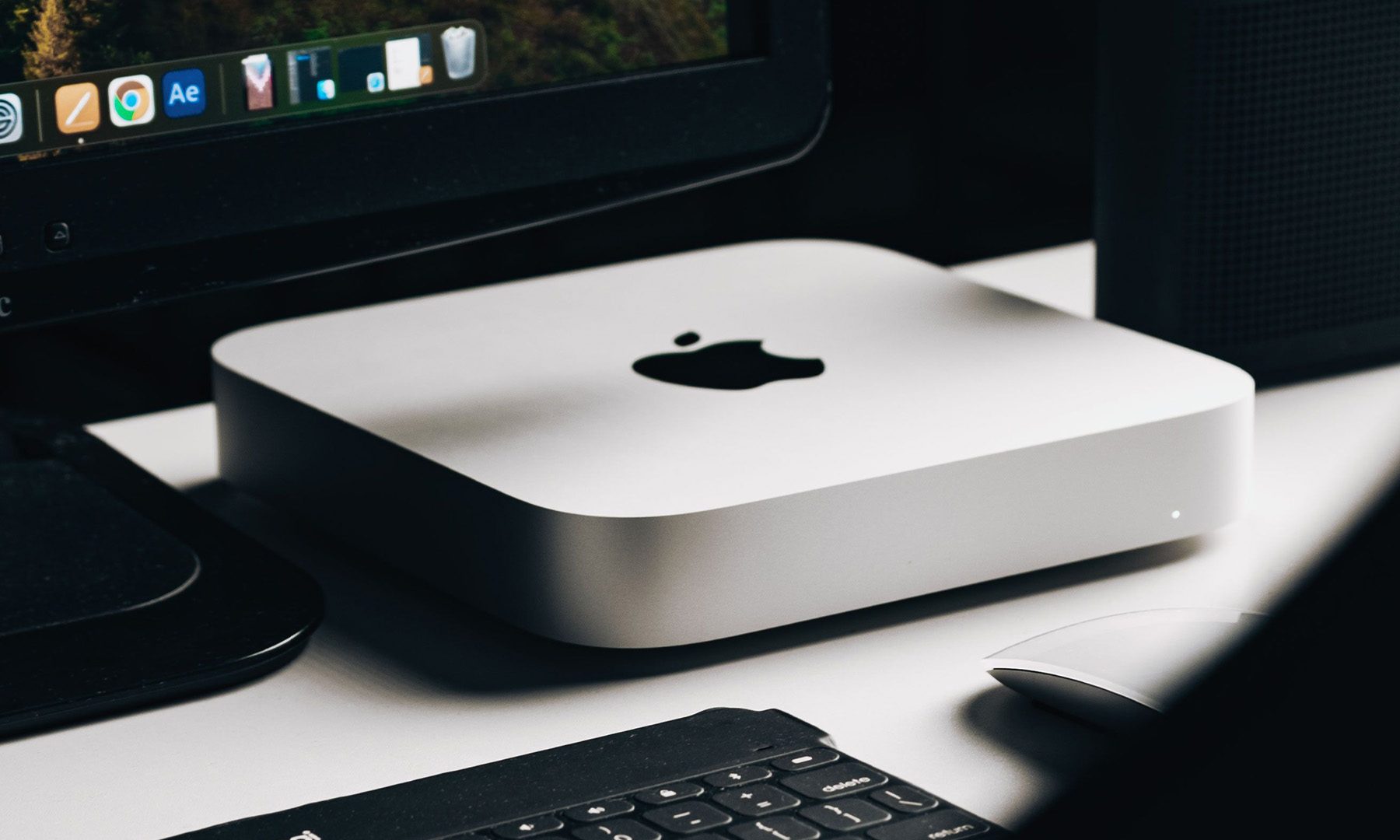
Apple Mac Mini on a Desk

A few days ago, Apple announced an ugly mid-cycle price hike, blaming the worsening-by-the-day memory crisis. According to the Financial Times, the company is now lobbying the government for approval to buy memory chips from a Chinese company. 

The company in question is CXMT, a Chinese chipmaker that the Pentagon added to its Chinese Military Company blacklist for alleged ties to the Chinese army.

Read more
As iPads get pricier, Motorola’s Pad 70 Pro arrives as a solid option… just not for US buyers yet
Great specs, a stylus in the box, and no US launch date: the Moto Pad 70 Pro sounds both impressive and disappointing.
Computer, Electronics, Laptop

If you don’t know about Apple’s recent price hike, which affected all the products in its lineup except the iPhone and Apple Watch (for now), you’ve got to be living under some sort of a rock. The revision made all the iPads much more expensive. 

Motorola, however, has just launched a 13-inch tablet that actually sounds good on paper. It’s called the Moto Pad 70 Pro, and it costs around $440 for the baseline model. The catch, however, is that the device isn’t available in the US yet. 

Read more