1. Home
  2. Computing
  3. News

First images of Microsoft's canceled Surface Mini hit the web

Add as a preferred source on Google

Since 2013, there have been persistent rumors that Microsoft had plans for a small form factor tablet dubbed the Surface Mini. In the end, the device was never released but images of a prototype have been posted to the web, giving us a pretty clear idea of how the company intended to expand the Surface line.

Several images of the Surface Mini were posted earlier on Friday on Windows Central. This iteration of the device was apparently intended to launch in 2014, alongside the Surface Pro 3, but it was canceled just weeks before it was set to be officially unveiled.

Recommended Videos

The Surface Mini is said to closely resemble a smaller version of the Surface Pro 3 in its portrait orientation. It is outfitted with many of the standard features of the Surface line, like a kickstand that folds flush against the body of the hardware, and support for the Surface Pen.

Windows Central

In fact, the Mini would have been much more reliant on the touch interface than its bigger siblings. The device would have relied solely on touch input, as Microsoft reportedly had no plans to offer a Type Cover accessory for users who would prefer a traditional keyboard.

The Mini also differs from other products in the Surface line in that its rear side and a portion of its bezel are covered in a felt-like material. This component of its design looks like a case, but it is actually a part of the tablet itself and cannot be removed.

Windows Central

The Surface Mini was set to use a Qualcomm Snapdragon 800 processor with 1GB of RAM, an Adreno 330 GPU, and had access to 32GB of internal storage, with a MicroSD slot to provide extra capacity. Its 8-inch display would have had a 1,440 x 1,080 resolution.

While much of this information was already known, it is very interesting to get a look at a near-final version of the hardware. Given the success of the iPad Mini and the demand for devices that occupy the space between a smartphone and a conventional tablet, it will be interesting to see whether or not Microsoft takes another stab at the Surface Mini somewhere down the line.

Brad Jones
Brad is an English-born writer currently splitting his time between Edinburgh and Pennsylvania. You can find him on Twitter…
Alexa+ just quietly became way more useful, if your gadgets are on this list
Your smart home is about to get a whole lot smarter.
Adult, Male, Man

You might have asked Alexa to do plenty of dumb things over the years, but "figure out which of my washer's 30 cycles actually means cold wash" might not have been one of them.

Turns out, Amazon just built the toolkit that makes exactly that possible, and it's rolling out across a genuinely huge list of brands today.

Read more
How to set up selfie video sign-in for your Google account
Your face can now serve as a way to get back into your Google account. Here's how to set it up.
Google account selfie sign in tutorial featured

Losing access to a Google account is rarely a quick fix, but Google has been actively working to make things easier. Last year, the company introduced a feature called Recovery Contacts that lets you designate a trusted friend or family member to verify your identity if you ever get locked out. Now, Google has introduced a new option, one that uses your face to get you back in instead of a phone call to a friend.

Like Recovery Contacts, the new selfie video authentication feature requires some setup before you can use your face to sign into your Google account. This involves recording the reference video that Google will use to verify your identity whenever you attempt to log in this way. Here's how to set up selfie video sign-in for your Google account.

Read more
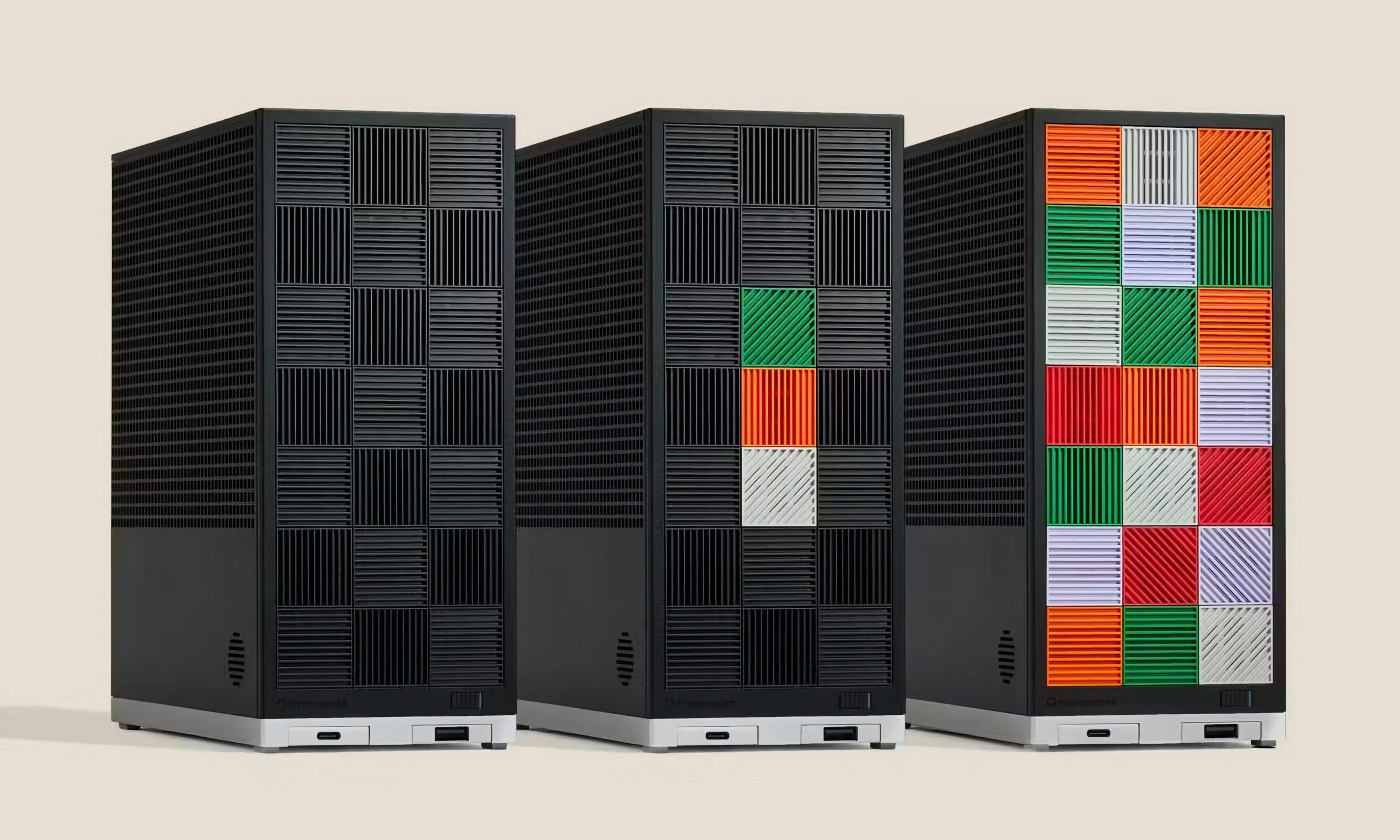
Framework Desktop packs Ryzen AI Max, up to 192GB of RAM, and local AI into a mini PC
192GB of RAM in a desktop this small? Framework says yes.
Framework Desktop feature

Framework has built a reputation for shipping things other PC makers won't even attempt, and its latest teaser keeps that streak alive. At AMD's Advancing AI event, the company previewed a new version of its Framework Desktop, and this one is clearly built with one goal in mind: running large AI models locally on your computer. If you have been eyeing a way to run local AI, this could be the machine to watch.

So what's actually new here?

Read more