  1. Home
  2. Phones
  3. Android
  4. Mobile
  5. News

This is how Google ensures the Play Store remains free from potential malware

Add as a preferred source on Google

Due to Android’s open nature, it’s easier for hackers to create malware on the platform. Thankfully, however, Google’s engineers work around the clock to ensure that Android remains as malware-free as possible. In fact, the company has detailed exactly how it keeps malware away from the Google Play Store and Android, even when that malware tries to fight back.

According to Google, every single Android app gets scanned for viruses, malware, and other code that could be harmful to users. Sometimes, however, malicious apps still make it through and sometimes those apps eventually make it onto users’ devices.

Recommended Videos

So how does Google combat that? Well, the company keeps a close eye on apps after they are installed and how those apps behave on a phone, ensuring that users’ data isn’t compromised. If an app starts tampering with a phone’s security protocols and cuts the connection between a phone and Google’s servers, Google can monitor how many phones are disconnecting from the server and if those lost connections often happen after the app is installed. If the number of apps that disconnect reaches a certain threshold, Google will reexamine the app to ensure that it does not contain malware.

This is not the only way that Google checks for troublesome apps but it’s one of the more effective. In fact, Google says it has caught and flagged 25,000 apps in only three families of malware using this method, with those families being Hummingbird, Ghost Push, and Gooligan. Hummingbird, you might remember, was able to get in and infect 10 million devices, but that figure could be much higher if Google wasn’t looking for malware.

None of this means that you shouldn’t be careful when downloading apps — in fact, you should only download apps that you know came from verified sources, and never hand over login details to apps that don’t seem trustworthy.

Christian de Looper
Christian de Looper is a long-time freelance writer who has covered every facet of the consumer tech and electric vehicle…
Samsung Galaxy Z Flip 8: Everything we know about the upcoming clamshell folding phone
Of the three phones expected to arrive at Galaxy Unpacked, the Flip 8 is shaping up to be the most underwhelming.
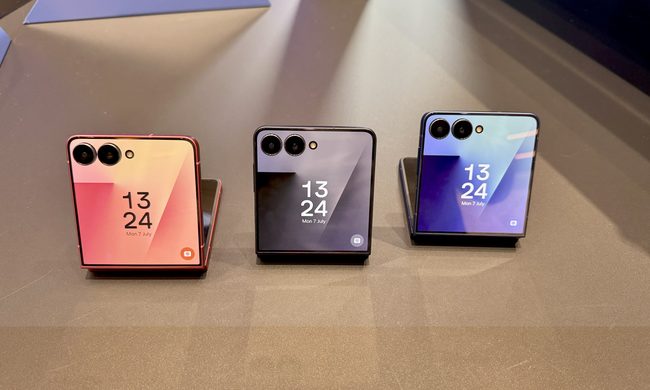
Three Galaxy Z Flip 7 models next to each other

The Fold 8 Ultra could get a sharper display, a more powerful chipset, a new camera, and a larger battery. Samsung’s purported wider foldable, the Fold 8, is expected to solve the most common problem with tall-body, narrow cover screens by adopting a new aspect ratio. The Flip 8, on the other hand, could only debut with a new chip, and not a Snapdragon one. 

The Flip 7 wasn’t a bad clamshell by any measure. However, it's been one year, and the memory crisis has already hit the smartphone market hard. In a tricky cost-to-margin situation, the Flip 8 could end up getting a price hike without any major improvements, and that might not sit well with potential buyers.

Read more
Google Contacts borrows a handy iPhone trick to make sharing your number easier
google-contacts-app

Google is rolling out a small but useful update to the Contacts app on Android that makes it much easier to find and share your own contact details. Instead of digging through settings or creating a separate contact for yourself, you'll now see a dedicated 'Your Info' card at the very top of your contacts list.

The feature gives you quick access to your phone number, email addresses, and other personal details while also adding a faster way to share them with others. The update is arriving with Google Contacts version 4.83.13.940538822 and is rolling out widely (via 9to5Google).

Read more
Another Apple price hike just landed, this time on Apple One
Family and Premier Apple One subscribers will now pay $24 more each year.
Apple One

Apple has raised the monthly price of its Family and Premier Apple One bundles in the US. The Family plan now costs $27.95 per month, up from $25.95, while Premier has climbed from $37.95 to $39.95. Both plans are now $2 more expensive each month, adding another $24 to the annual bill. The Individual plan remains unchanged at $19.95 per month.

The increase arrives shortly after Apple raised subscription prices for Apple Music across its student, individual, and family plans. New AppleCare+ customers buying coverage for Macs and iPads have also been hit by higher prices recently.

Read more