1. Home
  2. Computing
  3. Mobile
  4. News

1 billion Windows 10 users by 2018? We take that back, says Microsoft

Add as a preferred source on Google

Remember when Microsoft boldly proclaimed Windows 10 will have 1 billion users by mid-2018? Microsoft isn’t so sure about that anymore, ZDNet is reporting. Now Microsoft says a 10-digit user base total is going to take longer than that.

Part of this is because of mobile: Windows Phones haven’t exactly had a banner year, and they were supposed to be part of this legendary billion. So far 350 million users have Windows 10, which is an unprecedented year so far as Windows releases go, and almost on pace for a billion. But installs will presumably slow down soon, when Windows 10 stops being free.

Recommended Videos

Not only will Windows 10 no longer be free, but Microsoft’s aggressive “marketing” for the operating system, which caused more than a few users to install the operating system accidentally, will stop at the end of the month. From that point forward new device purchases will make up the bulk of new Windows 10 users.

“Windows 10 is off to the hottest start in history with over 350 million monthly active devices, with record customer satisfaction and engagement,” a Microsoft representative told ZDNet. “We’re pleased with our progress to date, but due to the focusing of our phone hardware business, it will take longer than FY18 for us to reach our goal of 1 billion monthly active devices. In the year ahead, we are excited about usage growth coming from commercial deployments and new devices — and increasing customer delight with Windows.”

That last point about commercial deployments could get interesting. Companies traditionally wait a couple of years before upgrading Windows. In part this is to avoid any bugs that come with new releases, and in part this is because upgrading a bunch of computers takes a long time.

But some large entities have committed early to deploying Windows 10. For example, the U.S. Defense Department will install Windows 10 on 4 million PCs in a bid to lower IT costs. If enough organizations do the same, Windows 10 could keep growing. We’ll be watching closely.

Justin Pot
Justin's always had a passion for trying out new software, asking questions, and explaining things – tech journalism is the…
How Claude helped my 65-year-old dad finally ditch his handwritten ledgers
AI has a lot to answer for, but this one small win is hard to argue with, at least for me.
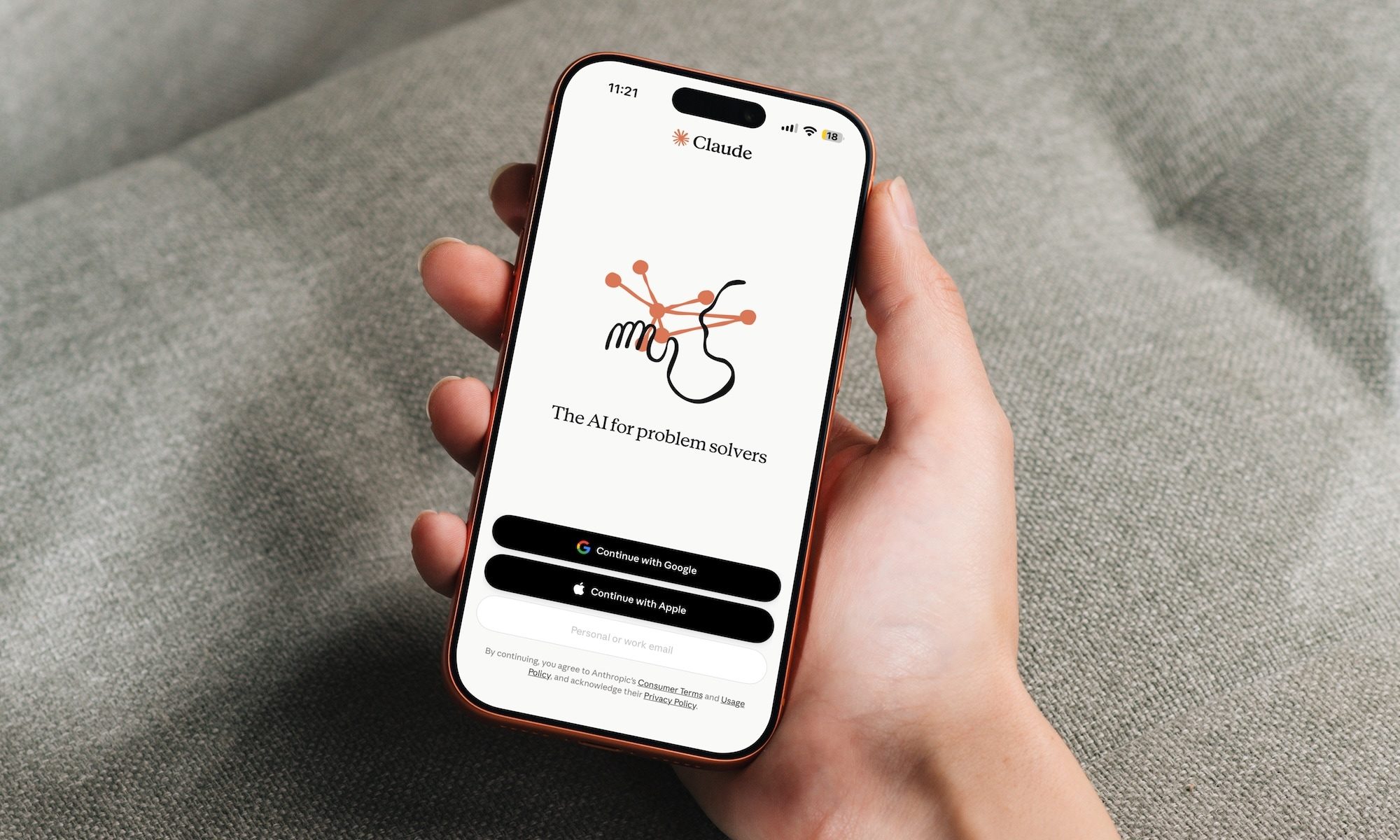
Claude app on iPhone

My dad has owned a small business for as long as I can remember, and for just as long, he's kept his books the old-fashioned way. Every sale gets written down by hand so he can file his taxes later. The problem is that his accountant needs this data in Excel, and my dad, who didn’t grow up around computers, has never learned how to use it.

For years, his workaround was paying someone to manually type his handwritten entries into a spreadsheet. It worked, but it was adding additional cost to his business, which he wanted to avoid, but couldn't.

Read more
AI’s energy tax was already concerning. Research says AI agents are over hundred times worse
AI agents could consume 136 times more energy than today's AI, study finds
AI agents

The AI industry's soaring electricity demand has already become a growing concern for governments, utilities, and technology companies. But a new study suggests the next generation of artificial intelligence could make that problem significantly worse.

Researchers from the Korea Advanced Institute of Science and Technology (KAIST) have published what they describe as the first comprehensive analysis of the energy cost of AI agents - AI systems capable of reasoning, planning, and completing tasks autonomously. Their findings show that these systems can consume up to 136.5 times as much energy per query as conventional generative AI models, raising fresh questions about whether the infrastructure supporting tomorrow's AI is ready for what's coming.

Read more
I hope Apple keeps the MacBook Neo away from the AI hype and preserves its true identity
The cheapest MacBook beats the cheapest AI MacBook.
Computer, Electronics, Laptop

If there's one thing that has disrupted consumer tech economics over the last year while changing how we understand and recommend products, it's the ever-rising cost of memory and chips. 

The desperate need to scale up AI infrastructure has pushed major manufacturers to prioritize enterprise demand, leaving everyday consumers with far fewer choices. Those available cost significantly more than they did a year ago.

Read more