1. Home
  2. Phones
  3. Business
  4. Mobile
  5. News

People are switching to Sprint, but the company is still losing money

Add as a preferred source on Google

Did Sprint’s decision to hire the guy from Verizon’s “Can you hear me now?” ad campaign for its new commercials pay off? The company just released its latest financial numbers, and even with its highest post-paid subscriber bump in 9 years, it was still hit with a $302 million loss.

Other than the loss, it’s mostly been good news for Sprint. This past quarter, it saw 173,000 post-paid customers enter the fold. It’s the fourth consecutive quarter in which Sprint has seen growth. Churn, or the rate at which people move to Sprint and then switch to a different carrier, is just at 1.39 percent, the lowest in the company’s history. Sprint also had an operating revenue of $8 billion with a total liquidity position of nearly $11 billion.

Recommended Videos

“We had another quarter of solid progress in our turnaround with the highest first quarter postpaid phone net additions in nine years, the lowest postpaid phone churn in company history, and finally being postpaid net port positive against all three national carriers after five years,” Sprint CEO Marcelo Claure stated in a press release. “We also grew wireless net operating revenue year-over-year while aggressively reducing the cash operating expenses of the business and our network is performing better than ever.”

Sprint’s increased mindshare has a lot to do with how the company has approached customers. Much like T-Mobile’s John Legere, Claure has been more forward and direct, addressing pain points customers have had for years. It turns out listening to your customers makes them want to stay.

Sprint has also been increasingly aggressive in trying to court customers with better deals and rates. It even started to compete with T-Mobile in pricing. But most importantly of all, Sprint worked on reliability by focusing on building up access to LTE.

Back in 2007, Sprint put all its chips on WiMax internet and invested in ClearWire. It wasn’t the best investment, because WiMax was expensive and just not as reliable. In the meantime, 4G and LTE grew in speed and reliability. Last year, Sprint shuttered all its WiMax towers and invested heavily in providing LTE to its customers.

Imad Khan
Imad has been a gamer all his life. He started blogging about games in college and quickly started moving up to various…
Spotify meets Snap Map in Snapchat’s latest update
The new Now Playing feature adds real-time music sharing with customizable privacy controls.
Now Playing on Snap Map Spotify Snapchat featured

Snapchat is giving Snap Map a musical makeover. The company has announced Now Playing, a new feature that lets users share the music they're listening to in real time directly on Snap Map. Launching first with Spotify, the integration allows friends to discover each other's favorite tracks, save songs, and jump straight into Spotify without leaving Snapchat. The feature is rolling out now in regions where both Snapchat and Spotify are available, with Canada set to receive it soon.

How Now Playing works

Read more
OnePlus is building another flagship monster for a shrinking audience, and its expected to launch in October
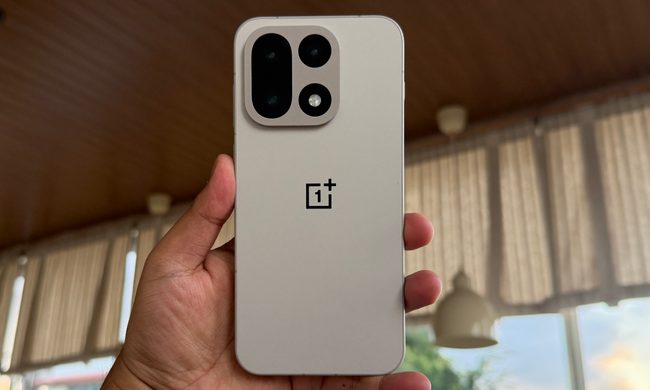
OnePlus 16 could launch in October, but it may not leave China
Rear shell of OnePlus 15.

While OnePlus may have exited the US and Europe, the brand is still alive in its home market and is already working on its next flagship smartphone. A fresh leak from Chinese tipster Digital Chat Station has now revealed more details about the OnePlus 16, including its design and a revised launch timeline.

The tipster previously claimed that the phone would arrive in September 2026, but the latest information points to an October launch in China (via Gizmochina). The global picture is far less clear, and there is now even some doubt over whether the OnePlus 16 will make it to India, which remains the company’s biggest market.

Read more
Samsung has another wild foldable phone lined up for 2027 and it will excite screen connoisseurs
Samsung wants another giant OLED folding inside your pocket
Samsung Galaxy TriFold unfolded

Samsung just gave foldable fans a wider 4:3 canvas with the Galaxy Z Fold 8. But that still isn't enough screen for the company. Samsung has reportedly begun early development of a successor to the Galaxy Z TriFold, its dual-hinged phone that unfolds into something much closer to a proper tablet.

According to Korean publication ETNews, Samsung has already shared information about the next-generation project with suppliers, but its final specifications have yet to be decided. One detail should immediately grab the attention of anyone who buys a foldable primarily for its display. A source familiar with the project told ETNews that Samsung is currently targeting a screen size similar to the original TriFold.

Read more